Kern’s note: be nice everyone, it’s Ruka’s first post here and first blog post ever. Ruka is also the resident artist here at TDF. These little icons we use are her creations.
Welcome everyone, this is Ruka. Back in the 1990s on the small island of Puerto Rico, there used to be generation of kids who by all social standards were labeled as weird and a bit on the strange side.
The main reason for this was due to their love and enjoyment of the afternoon and Saturday morning “cartoons”, also known as anime. I’m part of that generation of 90’s kids.
In the early stages of the 2000s, anime became a big part of pop culture. It has woven itself from our TVs to our toys, clothes, and even in the way we socialize. The anime industry has boomed. Yet, as someone who grew up in the 90s away from the mainland, anime was a much harder thing to find.
I was but a small child learning of the world, and all I wanted to do was watch cartoons, especially on Saturday mornings. Even if I had no idea, it was anime at the time, I was enjoying shows like Ranma ½, Samurai X (Rurouni Kenshin), and Slam Dunk. During the weekday after-school programming, Pokémon and Dragon Ball Z (DBZ) became a big part of the rotation too.
But what is so different from all other kids from the mainland you ask? Well, without getting into it so much, as a USA territory, Puerto Rico’s main language is Spanish. And for a good majority of us, we only had local channels, nothing more. Cable was something not many of us could afford. So naturally, the kid’s “cartoon” block was in Spanish.
Okay, but what does any of this has to do with anime you ask? Well, for an English territory whose main language is Spanish, it means a lot. Showing us something that many don’t get to experience in the mainland; anime with Spanish dubs. Nowadays when it comes to anime, most of us more likely than not will always go for the original, but to this day, I am unable to watch Ranma in any other language including its original form. This also holds true to DBZ and Pokémon, but I can manage their English or original form better.
Do I believe the Spanish dubs are worth it? Absolutely! Spanish is one of the most spoken languages ranking 4th worldwide and 2nd in Native-speaking countries in the world. Not only that but in the 90s most anime on television were dubbed by locals. That is the main reason that Spanish dubs became as successful as they did. Think about that for a minute…
The locals themselves took matters into their own hands, making the Spanish dubbing a demand. With this, they made sure that other Spanish-speaking countries like Argentina, Bolivia, Chile, Colombia, Mexico, Peru, and Venezuela had access to them as well.
Also, one of the biggest achievements this move created was an overall understanding that if the industry could work on dubbing anime into different languages, then it could expand into other nations around the world. In doing so, growing the industry’s reach beyond its original concept. Again, making it accessible for the local television stations in remote areas of the world, as it did for me and many others in the Caribbean. Its movement and progress continues to this day, for as of February 3rd, 2021, Funimation started to add Spanish and Portuguese subs and dubs of their shows in English-speaking territories. This is a big step, especially here in the USA.
At the end of the day, translations of anime and manga play a big role in the industry and in my childhood memories. Without its accessibility and evolution, I would have never found my way to the world of fandom, never would of meet the people that I call friends, and probably would have never written this at all.
This has been Ruka of The Demented Ferrets, where stupidity is at its finest, and level grinds are par for the course. I’ll see you around! Until then please be sure to check out our other content below.
With your contributions, you make our efforts possible. Thank you for supporting our content. Patreon supporters receive access into our official Discord server, and a few other perks depending on the tier.
There is a $1 tier, perfect for blog readers, so don’t hesitate. Join today!
Hey everyone, it’s Kern here, and today I’m bringing you more archived content from previous live streams. Over on out Twitch channel Kresh completed Call of Cthulhu, so that’s what you’ll be getting today.
Now, for those of you who don’t know, Call of Cthulhu is a fusion between a role-playing game (RPG) and the survival horror genre. Developed by Cyanide and published by Focus Home Interactive on 30 October, 2018. This game is the epitome of existential horror at it’s finest, but it isn’t particularity scary compared to other games that would be considered “horror” by nature. It’s more “creepy” or “unsettling” than scary. You might even say it is atmospheric more than anything else.
Kresh Plays Call of Cthulhu
The gameplay footage accompanied by our commentary can be found on YouTube and Twitch. If you like more content like this, please be sure to follow us on our other channels too. Kresh managed to beat the game in two parts.
The game was developed for Microsoft Windows, PlayStation 4 and Xbox One in 2018. Roughly a year later it saw a release on the Nintendo Switch. The game boasts a decently crafted narrative, heavily inspired by the written works of H. P. Lovecraft, a man made famous for his weird and often unsettling fictional stories.
The storythat the game is heavily inspired by, also named “The Call of Cthulhu“ was first publicized in February 1928. Later the story and universe would be adapted into plenty of other forms of media, such as table top role-playing game in 1981. That’s not the only renditions and retelling of the story we’ve seen though. In 2005, a silent fort film was even made, despite the fact that many considered “The Call of Cthulhu“ an entirely unfathomable project to produce, and unable to be filmed besides… but the movie is out there if you care to look for it.
So then, other other swaths of media aside, what is “The Call of Cthulhu“ video game about and what it is like? Well, let’s take a look.
The plot is fairly standard. The year is 1924, you play as a private investigator Edward Pierce, a man that suffers greatly from bizarre nightmares that become more vivid as time goes on. He is both a war veteran and a man of many vices. Notably, he self-medicates with sleeping pills and alcohol. How you choose to handle these vices will impact your gameplay experience, by the way… more on that later.
In any case, Edward is called upon to study the mysterious case surrounding the tragic Hawkins family. Apparently they’ve all died in a fairly violent fire… or have they? Edward must find out the truth.
Your only clue to go by is a an oddity; the picture painted by the supposedly crazy mother. Even weirder, it was painted shortly before she died. Now it’s Edward’s job to go to a place called Darkwater Island, and untangle this baffling mystery. I don’t want to spoil too much here, but it has a decent story. It all depends in how you choose to play and the choices you make. As for gameplay itself, that’s a mixed bag. You’ll find elements of “investigatory type” games laced deeply within the horror setting you find yourself in. A lot of mystery games use this sort of system, particularly when horror is closely ties to it.
Of course, this means dialogue options. Now, I don’t personally care too deeply for wide range of dialogue options myself… particularly when a few options are locked behind a skill tree. Obviously there’s a market for complex dialogue wheels and the illusion of player choice, but all games have some sort of “on rails” experience to them when you really start scrutinizing the matter…
Generally, I find complicated wheels that have options hidden behind a skill tree to be a cheap argument for “replay value” at best, and flat out annoying at worst. Beyond that, though, most games that use these sorts of systems aren’t the type that I’d typically replay with any regularity anyway. That’s just a personal preference. The system isn’t too clunky, if you’ve played Mass Effect or any game like that, you know basically what you’re in for.
It’s not awful, it’s just not my preferred method of narrative progression. Speaking of the narrative though, let’s discuss the aspect of sanity. Since that is one of the most paramount features in the game when it comes to driving the narrative, it merits a discussion.
Depending on choices made throughout the game, such as your dialogue options, the way you’ve explored the areas and all of the events that affect your sanity gauge, there are four possible endings total. However some of them are more desirable than others.
The more insane you become, the more likely the “darker” endings will be. Kresh managed to land a fairly gruesome one in our footage, but there are other endings too, if you manage to make the correct choices early and often… I will say this, due to the nature of this game none of the endings are what one might call “happy”, it is a horror game after all.
Sanity management, skill trees, careful conversational choices, and stealth action all play a decent part in the greater narrative. There is some combat, but not a whole lot. You’re better off hiding than attacking things, unless of course, you’re meant to attack them. A few key encounters come to mind, but I won’t spoil them here.
The Call of Cthulhu isn’t a bad game, all thing considered. It’s not far and away amazing, but it’s not god awful. It’s a solid experience and narrative is worth the ride if you can pick it up on sale.
You’ll probably enjoy the game far more if “cosmic” type horror and further reaching and looming existential dread appeal more to you than jump scares and mindless gore. Give it try, you may like it.
This has been Kernook from The Demented Ferrets, where stupidity is at its finest and level grinds are par for the course. Hopefully you’ve enjoyed the content and will be in search of more like it. If so check out our other content below, and don’t forget to follow is on our other platforms.
Hey everyone, it’s Kern here, and welcome to some spooky content for the month of October. How spooky you ask? Oh, nothing too terrible, just existential dread at its finest. That should do, shouldn’t it?
I like horror, if you’ve been around the blog for any length of time, you know this. Be it video games like “Resident Evil”, anime like “Perfect Blue” and movies like “The Thing“, I enjoy a good horror title every now and then. However, so much horror is filled with blood, gore, and other generalized “in-your-face” nonsense. There’s nothing wrong with that, sure enough. Good horror media shouldn’t be too stifled, and creativity is important. That being said, most horror media nowadays doesn’t normally draw upon being subtle.
Horror shouldn’t always be about grandiose shock value. We shouldn’t constantly try to see just how many ways to bring a rebirth to older media when their original format still hold up to scrutiny just fine.
The film relies heavily on its psychological drama to carry the story forward. Many scenes are purposefully unsettling, and Mima is an enigma by nature. Several questions are left unanswered and up to interpretation.
I don’t need any half-baked “Saw” or “Halloween” knock-offs either. Let those ideas stew in the cooker a little while longer and come up with something truly stunning, I’d say. Classics are classics and staples are staples for for a reason. There comes a time when beloved titles are run into the ground, thus turned into an abomination instead of a masterpiece born anew.
Do you know what we do need more of? Truly existential horror. The sort that lingers with you, as all properly crafted horror does. It should be a slowly and surely building tension, creeping and creaking within the depths of the mind.
Writers of good horror know exactly how to harness that level of unease. Works that offer a purely physiological, pin-point accurate sort of terror, woven between the confines of madness and all-consuming dread have been around a very long time. There is a common trope we see all too often here, and yet, it never becomes stale. Media such as “cosmic horror” takes entirely rationally thinking characters and gradually turns them unsound until they’re completely at wits end. We, as consumers of this media get to watch the events unfold.
I can do you no better on this October than to speak about one of the most brilliant writers of this twisting and turning, near labyrinthine media. Hisname is Howard Phillips Lovecraft and the name of his game is the cosmos itself, bringing nightmares to life.
His way of writing was a gift to literature. Combining metaphor with subtext, he could formulate and conceive the tenuous impossibilities that rest deep in the paranoid ramblings of humanity. Fear of the unknowns within the wide expanse of the universe. That sort of fear resonates within all of us to some degree or another. Lovecraft taps into those little “what if’s” in a way few other writers ever could.
He was a master at crafting fictional worlds and realities that could not possibly be fathomed by the characters residing in them… and so help the reader brave enough to crack open a tale or two penned by a man like Lovecraft. His works are not often for the faint of heart. They are incredibly intelligent pieces of media, but far from pompous.
So, why am I talking about this today? Well, I’m a fan of his written works, and that’s reason enough. Recently over on our Twitch channel, Kresh played a little video game known as Call of Cthulhu. Clearly this game is heavily inspired by Lovecraft’s work, and therefore I thought I would do a blog post about the guy.
I wanted to briefly talk about the concepts surrounding his brand of horror, mystery, and all things unsettling.
Now, Howard Phillips Lovecraft, or H. P. Lovecraft as most probably know of him, was born in the August of 1890 and passed away in March of 1937. Despite those short forty-six years, Lovecraft was a bright mind and a prolific writer. It’s just too bad he didn’t become popular and his works went underappreciated until long after his death.
February 1928 was the year that The Call of Cthulhu got published in Weird Tales, a pulp culture magazine of the time. It had a decent following too, for the era.
Now, Weird Tales had a habit of publishing a fairly large range of oddities and strange fictional stories. You know the type, the kind that wouldn’t easily find a home elsewhere. Lovecraft’s written works often fell into this category. His strange, often otherworldly style of storytelling seemed to be a good fit for readers of obscure, occult media. He found a home in the publication and others like it.
His notable works obviously include “The Call of Cthulhu” which horror fans and gamers alike will probably know him best. That’s why it’s the story I’m touching upon first in this post. This work of fiction not only has several video games as kindred spirits, there is also a table top game that saw its release in 1981. If that’s not enough for you, there’s also a short indie film as well, paying respects to this great work of fiction.
If you want to see gameplay footage of “Call of Cthulhu” a game released in 2018, Kresh just finished playing it. You can find the footage over on our Twitch channel. Don’t forget to follow us over there too if you like to watch Twitch streamers… the link will open in a new tab.
Now, back to the mastermind and my gushing as a fan. If you don’t know what cosmicism is, then you don’t know Lovecraft. Let’s start there, shall we?
The basic idea for cosmicism states that there is no divine presence, such as a “God” in the greater universe as we understand it. Rather, the human race is fairly insignificant within the greater scheme. There is other of intergalactic existence under this mindset, meaning, there is in fact life beyond our knowledge and understanding. We just can’t fathom what it is. As it applies to horror, this touches upon the concept that humans fear our own insignificance and ineptitude. That we cower in the face of a universe we just can’t understand…
Or to put it simply, the cosmos is an endless void, with countless possibilities, and that terrifies us. Looking deep into that abyss would drive us mad. Drawn to it as we are in our pursuit of answers, humanity would come to regret every moment we tried to do so… hence what makes “cosmic horror” what it is.
Now there is far more to it than all of that, but the general outline gives you an idea of how Lovecraft defined himself through his written works. Existential dread and the whims of a universe we just can’t understand build up the tension and release cycle his works of horror can provide, and Lovecraft willing provided that sort of horror in spades.
As for Howard Phillips Lovecraft himself, he was an avid reader. He admitted that his writings were heavily influenced by his readings ofPoe‘s and Lord Dunsany‘s fictional worlds and unsettling writings.
As stated above though, even though nowadays we regard H. P. Lovecraft as a very prolific writer, he wasn’t very well known in his life. Aside from the readers of pulp magazines, his works just weren’t regarded as mainstream media.
Lovecraft couldn’t support himself completely upon his writings. Frankly, it wasn’t until the 1970’s when his works began to really pick up steam for mainstream audiences. However, the birth of this newfound popularity inspired a great deal of other works we now call the “CthulhuMythos“, which draws heavily upon Lovecraft‘s characters, lore, the larger thematic entanglements that we now consider to be “otherworldly” or “cosmic” styles of horror… the sort of horror that relies entirely upon what humanity cannot completely fathom.
On a personal level, I do want to touch upon one issue with other forms of media, particularly video games. If you can beat the ever loving crap out of Cthulhu in any capacity, that’s not indicative of Lovecraft’s works. That’s a power fantasy abomination… not his brand of horror.
If you have somehow come across a piece of media in the wider Cthulhu Mythos or within the larger fandom where the characters do heroically overcome the “unfathomable” completely unscathed, and have thus found yourself thoroughly put off by the concept of cosmic horror, pick up a proper story and read it.
If you still don’t believe me when I say that Lovecraft was a master at writing great horror stories, try this one on for size.
The Shadow Over Innsmouth is by far my favorite work by H. P. Lovecraft. Also, remember when I said he wasn’t a widely popular writer?
Well, this was the only story of Lovecraft‘s that was actually published into a book during his lifetime. I think that alone speaks of its quality. I won’t spoil it, or tell you what it’s about. This one is just too good to try to explain in a short paragraph or two.
If you want to read a good classic horror story, go into this with little more than full and complete intent to be unsettled. Pick it up and just read. You will be pleasantly surprised. If you like “cosmic horror” and what it’s themes allow for, it will serve you well. Remember though, nuance is at the height of a fiction like this one. You won’t want to underestimate the slowly building pace the narrative sets. Give it a chance, and don’t rush through it.
While it’s true that gamers of all kinds are likely much more aware of “The Call of Cthulhu” I think that its popularity may in fact be a disservice to readers at this point. We know it to be a great work of fiction, and therefore perhaps place it on a pedestal too high for our own expectations.
Personally this is why I much prefer to suggest “The Shadow Over Innsmouth“, originally published in 1936.. Even though it is also a very popular written work of Lovecraft‘s, it doesn’t carry the same acclaim in gaming and other media. It is a bit lesser known to the typical horror fan, and I think it stands as a better entry into the wider Cthulhu Mythos.
Ultimately how you choose to best enjoy the horror medium is up to you, but as for me sometimes the best horror is in a good book by one of my absolute favorite authors of all time.
This has been Kernook of The Demented Ferrets, where stupidity is at its finest and level grinds are par for the course. I’ll see you next time.
To Our Supporters: Thank You!
With your contributions, you make our efforts possible. Thank you for supporting our content. Patreon supporters receive access into our official Discord server, and a few other perks depending on the tier.
There is a $1 tier, perfect for blog readers, so don’t hesitate. Join today!
Hey all, it’s Kern here. I’m back to writing proper blog posts, yes it’s taken me a while to get back into the swing of things, and I apologize for that profusely. In any case, let’s just dive into the topic at hand, shall we?
Today I want to talk a little bit about sitcoms. The draw they have and the appeal they carry to a wider audience shouldn’t be overlooked. For anyone that knows me and also the situation going on around the house right about now, you’ll know that sitcoms are a family affair. We’re known to crowd around the television together to watch an episode or two of our favorite ones.
Now back in the days of cable, we generally had shows we habitually flocked to. Shows like “The Nanny”, “Golden Girls” and “I Love Lucy” commonly filled the warm glow of our television screen. However, in this household only one sitcom stands out as king among the rest.
The show we watch most of all just so happens to be a show that hasn’t had any new episodes produced since May 13, 2004. This show is known as Frasier, and when it comes to sitcoms this show lasts the test of time.
Insofar as my household is concerned, we still watch the show nightly. With the advent of streaming services, we can now do so at length. Even before then, we had all of the box sets for the series, some of them we even have doubles of. Seasons one and two particularly. This is because when we first bought the box sets, it was in the early 90’s. Therefore we had them on VHS tape. When DVD’s became the foremost way to watch media, we switched over to those, and that’s why we have multiple sets of season one and season two.
Nowadays, streaming is the way of the world, and smart televisions are where it’s at. We were slow on this uptake in this house, only picking one up in early 2020, but Paramount+ was the wisest subscription we ever made because now my mother can watch Frasier to the point that she can drive me insane with it… and she often does. That was a fact I even mentioned in a previous blog post, which was very fitting at that exact moment.
As I stated at the time, even while I was writing a post about idle gaming, my mother was watching Frasier. She watches the show daily, we call it a hobby. So, when I said that we watch all eleven seasons of that sitcom over and over every week, I wasn’t joking then, and I’m not joking now. She is once again watching the show, and I am too.
For those of you that know of the show, and the sort of episodes you can find within the series, we are currently in the middle of the one where Frasier Crane (played expertly by Kelsey Grammer) looses his job as a radio talk show host and has a mid-life crisis of sorts. That particular plot line goes on for a few episodes. This episode isn’t exactly the best one in the series by far, but it is the one that happens to be playing.
All in all, it does illustrate my point.
The show stands the test of time, and even the test of my sanity. Eleven seasons isn’t very many when you watch them endlessly, much like we do around here. A reboot series in in the works apparently, spearheaded by Kelsey Grammer himself. It’s anyone’s guess if it will actuallyhold up to the old material, but I do remain hopeful.
The series won’t be the same without John Mahoney, who played Martin Crane in the series. He passed away in 2018. May he be resting in peace.
The character of Martin was my absolute favorite as a child, and even now, I enjoy his time on the screen. He’s a breath of fresh air in the series. Martin Crane is the typical “every-man” that enjoys sports and fishing just as much as a good beer and time with his family. His beloved dog named Eddie is also a key focal point for him.
As former police officer, Martin Crane was a simple guy with a worldly aware attitude. His desires and vices are also simple as a result. He wasn’t too complicated and offered a staunch juxtaposition for the pomp and circumstance that other characters, like Niles and Frasier so commonly find themselves embroiled in.
When I think of sitcoms, a great many of them come to mind, but so few qualify to stand in my list of cream of the crop “comfort shows”. Some are funny, sure enough, and many of the older ones bring with them a hefty dose of nostalgia, but those are few and far between for me.
So then, why Frasier? Why not Cheers, which was where the character of Frasier Crane first originated? Why not literally any other sitcom? That’s a good question. I’ve been thinking a lot about that too, actually. It’s the heart and soul of the series that truly makes it special for me.
Surely the series has plenty of distilled witty humor, dry retorts mingling with overly long diatribes. To be honest, most of them sound much more sophisticated than they really are, as that is the punchline of those gags. However, it comes jam packed with slapstick comedy too.
Tongue-in-cheek humor tends to creep into visual hilarity at it’s finest. The image above highlights this, I believe. You don’t need to know the character of Niles too deeply to find find his absolutely disgusted look amusing, all while his pet bird uses his head as a perch.
It really is simple little visual jokes and sideways comments thrown about offhandedly, that truly makes the series sticks out for a good laugh or two. Even after you’ve seen all the gags, they’re still funny. It doesn’t lose the charm in re-watching the scenes. Honestly, the show is best enjoyed in it’s layers of symbolism and deeper discoveries. You should watch it a second time at least.
As a series, Frasier is both full of heart and goofy psychobabble related nonsense. It unflinchingly pokes fun at the psychiatric field, but it also softens that humor with stories that are truly steeped in the flaws that make us human. The series is just as much about the family unit as it is about hair-brained schemes and mindless posturing. There are times when it questions personal identity and moments when it refuses to fit the mold at all.
One of my favorite episodes includes Sir Patrick Stewart portraying man by the name of Alistair Burke. The character only appears in one episode, and in season eleven no less. However, the character is in a successful position in the theater, and his attempts to woo FraiserCrane are the highlight of the episode. Fraiser has no idea the man is attracted to him until the matter is far too late to correct.
It is an iconic episode for me, and one that sticks out as a noteworthy piece of media because back in 2004 my inclusion in the GRSM (Gender, Romantic, and Sexual Minorites) community was lacking to say the least. I was still a teenager in high school, so characters in media were all that I had. Seeing an openly gay or trans character in the sitcoms my own mother watched was of great comfort to me. She did it without complaint, and without thinking twice about the matter, and it truly solidified my own comfort with my own identity.
Now, in a perfect world characters would be portrayed by a properly identifying individual more often than not, no matter the identity we’re discussing. Representation in media is very important, and therefore, we shouldn’t overlook that angle either. When we discuss what actor gets what role, identity should be a consideration (though not the deciding factor). However, this isn’t a perfect world, and it certainly wasn’t perfect back in 2004.
I don’t hold it against the media of the time… in fact, if anything, I think Sir Patrick Stewart did a wonderful job in the role for the single episode that he got to portray Alistair Burke.
Honestly, I’m thankful I just had the opportunity to have some level of wider exposure to the concepts that high schools refused to talk about, such as being gay. However, that’s why I believe I love this sitcom so much.
Frasier wasn’t just topical for its time, it was also down to earth and close to home. It didn’t chase down trends in a vain hope to appeal to the masses blindly… or at least it didn’t “feel” like that’s what the show was trying to do. I think that makes all the difference. It never felt like it tried to be more than it was, and what it was could often come off as pretentious and snobby to say the least. Particularly if someone wasn’t on screen to knock the Crane brothers back down a few pegs and rip off their masks of frivolity.
Someone always came along to do it too, usually Martin Crane or the character of Roz Doyle (played by Peri Gilpin).
Frasier was an intelligent series. It made statements that invited the viewer to come to their own conclusions. It was as funny as it was thoughtful, and it has aged decently well. Occasionally, it could even manage to be sad and soulful too.
That’s why I’m so drawn to it, and why my mother is too. It is rarely ever bombastic, yet it is far from mindless. The themes and the lessons are simple, and Martin Crane often tends to be the wisest character of all. If you’re looking for a decent sitcom and you haven’t seen it, give it a try. You may be pleasantly surprised.
This has been Kernook, of The Demented Ferrets, where stupidity is at it’s finest and level grinds are par for the course. I’ll see you next time.
If you liked this content, please be sure to follow the blog so that you can see more like it. I’ll be talking about sitcoms from time to time along with other media.
To Our Supporters: Thank You!
With your contributions, you make our efforts possible. Thank you for supporting our content. Patreon supporters receive access into our official Discord server, and a few other perks depending on the tier.
There is a $1 tier, perfect for blog readers, so don’t hesitate. Join today!
Warning: This is a horror game! This is NOT a generic science fiction romp, this is NOT a basic “blast aliens” shooter game. This is a without question a horror game, based on a horror movie. In the game NPC’s (non-playable characters) can do direct harm to themselves and others. It is a core part of the gameplay. I will be explaining that game mechanic in detail, though no images will be shown of it. Therefore, if characters becoming directly mentally unstable bothers you, maybe don’t read this post or play this game. Kern’s note: I’m adding this warning because this game isn’t as well known as other horror titles. The movie came out about forty years ago. The game itself came out about nineteen years ago. I don’t want gamers to think this is just a common science fiction shooter game. It’s a near “survival horror” game, plain and simple. You’ve been warned.
Hey everyone, it’s Kernook here. In gaming, we don’t often see good video games based off of movies. Many of them flop thanks to bad game design.
Messily cobbled together cash grabs were what we expected in the early days of gaming. Back in the day, licensed titles usually promised that a game was going to be absolute crap. This trend carried well into the 2000’s. Any possible way you looked at it, more times than not, games based almost entirely out of movie material ended up missing the mark.
However, there is one game from that early 00’s era that actually managed to be far greater than I think anyone could have expected. However, it isn’t your typical gaming fodder, either.
In 2002, gamers were given a very interesting title called “The Thing“, which was based on a 1982 movie of the same name. The reason I want to talk about this game today is because it stands as a solid horror experience. This is a very underrated horror gaming title in my personal opinion. Then again, it also only panders to a very niche audience.
Don’t forget to follow the blog for more content like this. Want to help keep the blog advertisement free? Please become a patron! We have a $1 “Little Ferret” tier that’s perfect for blog readers. You will receive these perks:
Access to our official Discordserver.
Access to basic Patreon only posts and monthly updates.
You will get to help choose blog topics via blog polls and discussions.
Your name will be listed as a patron at the end of every blog post for as long as you’re subscribed to our patron page.
Sadly, not all gamers are movie buffs. I’m certainly not, and therein rests the biggest issue the game has. You really do need to have seen the movie, or know the events of the movie to really enjoy the game to the fullest.
If you like horror movies, you’re in real luck here. If you haven’t seen it, watch the 1982 movie first before getting your hands on the game. Do not watch the reboot, it won’t serve you well. Trust me, you will absolutely want that backstory of the original movie. If you don’t like horror movies at all, even slightly, this is a game you really might want to bypass.
Some gamers may disagree with me on this. That’s fine, but I think playing The thing is far more enjoyable after having watched the movie first. Now, as a quick warning, I’m going to have to spoil aspects of the movie just to talk about the game. This is why I decided not to make this a full on game review.
See, at the end of the day, I don’t think it’s fair to review The Thing as a standalone game. Its desperately needed source material comes from something outside of gaming media entirely. The Thing video game is a direct sequel based on the movie itself, and this cannot be overlooked.
So before we dive in too deeply, what is this game? Pure fear, that’s what. Pure damn fear!
The Thing is a third person horror game. It was developed by Computer Artworks and produced by Universal Interactive beneath their “Black Label Games” publishing label. Konami dealt with the console side of things, and so as you can see we have a solid line-up on that front. You can play this game on PC, PlayStation 2 or the Xbox.
As for the game itself, it doesn’t have all the typical trappings of the survival horror experience. If I’m being honest, I find it hard to really call it a “survival horror” game at all. At the same time though, you can’t really call it a “run-and-gun” horror based action game either.
The Thing is a game that meshes both of those elements very well, doing so in a way that is absolutely ruthless. The combat and enemy design is pretty spot on for its time. Even the weakest monsters can do insane damage if you let your guard down, and that’s one of many survival horror elements.
Most of the enemies are certainly bullet sponges, but even the ones that aren’t can move freakishly fast. As a result you need to be tactical and cunning to take down these “assimilated” foes.
On top of this, you’re in an inhospitable environment at best. You’re out in a frozen wasteland for some parts of the game. Venturing out into the cold for too long makes you lose health. Sometimes you have to be out there, other times it’s just worth the exploration. The rewards are sometimes really useful, but it is a risk and it makes for some great tactical decisions as a gamer.
See that blue bar above the red bar? If that blue bar reaches zero while you’re out in the cold, your health bar starts dwindling next. Plus, there are enemies to contend with out there.
Unfortunately because this game is so fast paced, there’s an auto lock-on feature. If an enemy gets close enough, your character will lock onto it automatically. It is a bit clunky though, this is a game from 2002. Let’s not forget that particular era of gaming had a lot of clunky crap in it. As gamers, we just didn’t care as much back then. Going back to play it now, this is one thing that certainly didn’t age well.
In fact, I’ll say this; it can be an absolute pain in the ass. I’m not even joking here. I’m love this game, but it can be a complete and total piece of crap when I lock onto enemies I don’t wish to be locked onto.
Then again, almost all survival horror at the time were a clunky mess, which was part of the charm. We can turn our noses up at it now, but back then this game played as smooth as butter to our understanding.
Unique Horror Experience
So first of all, since the video game acts as a direct sequel to the movie, it won’t be retelling or rehashing too many of the movie related events. It will expect that you already know them, and I’m not joking on this, either. This is actually a full-blown story all of it’s own. It’s based on the events in the movie that took place prior to it.
You’ll get bits and pieces, but this is not a retelling, you can’t pretend it is. That said, onto massive spoilers for the movie. If you want to watch the movie, stop here! I mean it, if you don’t want it spoiled, stop! Go find “The Thing” movie that was made in 1982, watch it, and then play the game if you wish.
You play the game as a member of the United States special forces team. Your deep in the heart of Antarctica. Your mission is to investigate a United States outpost a few days after it has been destroyed. Other teams have also been deployed, but they’ve gone missing. You’ve got to find them, and find out just what in the hell is going on.
Fairly soon after the group arrives, your character and his team are made aware of some of the dangers. Namely, you find out about “The Thing“.
The explosion in the movie didn’t kill the creature. The blast maimed it most assuredly, but now it’s back and with vengeance. Further proof that not everything was completely demolished during the blast.
The rest of the game is about finding survivors and doing battle with the titular monster that managed to survive the events from the movie, “The Thing” itself. If you’ve played survival horror games in the past, then this general set-up should come as no surprise… it’s right out of other great franchises such as Resident Evil. We’ve been there, we’ve done that, and we’ve got the T-shirt, so let’s move onto what makes this game so good.
One thing I really want to make note of, is the atmosphere. The game is very good at building tension through your preconceived notions. Since this particular outpost was in the movie, getting to explore the area really helps to ramp up tension.
You’ll notice key locations that scenes took place, and although the graphics are old by today’s standard, it won’t matter that much. You’ll still know where you are in relation to the the events that occurred prior. This game is even better for those who want to walk down memory lane. Huge fans of the movie will thoroughly enjoy the game for that reason alone. That’s not the only theme that holds true, either.
If you’ve seen the movie, you know exactly what you’re in for. You’ve got yourself a halfway decent supply of guns and ammunition, but that’s not what you really need, and movie fans know it.
You can’t just waltz in guns blazing and expect to always win. You actually need fire to take down bigger enemies. Bullets don’t land a finishing blow on these big boys. You’ve got to burn them to a crisp.
If that sounds particularly familiar for survival horror at the time, you’d be right. Resident Evil: Remake had it’s own obsession with fire in 2002 as well. That very same year, players had to burn zombies after downing them. Zombies that weren’t burned, returned to life became the much more deadly crimson heads.
Like almost all horror titles, you’ll find written entries and research notes to give you clues about what happened in the area at the time. The best addition to this is the same recording that R.J. MacReady from the movie left behind, which is a really smart tie-in to the movie and the lore itself.
You’ll also come across survivors too. Now, this is my highest praise for the game, but it deserves its own section, so let’s get into it.
Survivors: Comrades or Burdens?
To trust, or not to trust? That is the question at the forefront of this gameplay mechanic. Just like in the movie, trust is a major factor in the game. You need to treat NPC’s with care, or you’ll only make the game far more difficult for yourself.
When it comes to the survivors, they are your bread and butter. They’ll have different things they’re good at. The medic will heal you, the technician will repair electronics, and the soldier will be a real powerhouse to fight along side you.
All of the comrade types are assets, and they help you out during certain segments of the game. You’ll want your comrades repairing electronics and watching your back. There is just one tiny problem. The Thing is out there, and they know it. You’d better watch their backs too.
If you aren’t careful, your comrades will be your absolute greatest detriment to survival. If they get infected by The Thing, they’ll eventually turn on you. Even if they aren’t assimilated, if you’ve managed to lose their trust, they won’t follow your orders and they could become unstable.
Another aspect of survival horror shows itself in spades here, inventory management. You’ll have to manage their weaponry and their ammo, and the importance of that can’t be understated. These NPC’s can and will occasionally become emotionally unstable, just like in the movie. They just can’t handle being too stressed out.
If they get upset, you’re in for a world of trouble before you know it. These comrades can end up shooting blindly into the dark, having nervous breakdowns, and of course being assimilated as part of The Thing itself.
Your comrades just can’t handle unreasonable levels of monsters, gore and death. Just as a real person would begin to emotionally fracture under this sort of stress, so do your comrades. These NPC’s may end up killing themselves due to a complete and total emotional breakdown. Worse yet, they may end up shooting at you during their unhinged rampage.
This is one of the key places the game really sets a high bar. I just can’t praise it enough. It is true to the movie in this way, it’s almost astoundingly so. Trust was a huge theme in the 1982 movie. You could argue it was one of the core themes directly. I certainly do. Having that aspect brought over into gameplay was a masterful decision. Your comrades need to be able to trust you, and you also need to trust them.
Gaining trust is easy enough, give them some weaponry or aid them in battle. Help them, and they will happily return the favor. However, don’t get sloppy. Loosing trust is easy too, almost too easy, and this is a key factor in gameplay.
One of the biggest plot lines in the movie was that The Thing was able to replicate any living creature it killed. It was incredibly hard to tell that someone had been assimilated until it was too late. Once your teammates are infected, they will eventually turn on you. More often than not, this happens just when you’ve gotten too comfortable with them.
You can test if a teammate has been infected by using a bit of their blood, but by doing that, you risk losing their trust. One of the key gameplay tactics is to give yourself a blood test as well, to prove you aren’t a copy of The Thing hiding in plain sight.
Final Thoughts
Okay, look let’s be honest. The barrier for entry is steep on this thing. You’ve got to know about the movie at least a little. On top of that, the game is old now, the movie might as well be geriatric. If you don’t like dated horror, you might not like this game.
That is a very valid complaint to have, because how we understand horror games has changed significantly in the past few years alone.
Classics are classics for a reason, and both the movie and the game are classics in my opinion. They do stand the test of time… but, that’s not without notable flaws. If you haven’t experienced both pieces of media, you might really want to. On the other hand, you might just want to write it off, and that’s fine too.
There is a real horror experience to be found here. A grotesque one to be sure, but a truly horrifying experience regardless.
This is a solid game. It has a bit of that early 2000’s clunky design that’s very noticeable nowadays. Sadly that’s unavoidable. It doesn’t diminish the game though, at least not in my opinion.
The Thing stands as a unique horror title, only bolstered because of it’s 1982 movie counterpart. Does that make it perfect? Oh hell no. Do I think this game should stand as a beloved classic among gamers? Oh, hell yes I do.
To me this game is right up there with the likes of Resident Evil and Silent Hill,it is an experience worth having.
This has been Kernook of The Demented Ferrets, where stupidity is at its finest, and level grinds are par for the course. Don’t forget to check out some of our other great content.
As a reminder, If you like this content, consider supporting us… really every little bit would help.
With your contributions, you make our efforts possible. Thank you for supporting our content. Patreon supporters receive access into our official Discord server, and a few other perks depending on the tier.
There is a $1 tier, perfect for blog readers, so don’t hesitate. Join today!
Hey everyone, it’s Kernook here! It’s time for another anime review. Today we’re diving into an off-kilter idol anime with more than a few quirks. Zombies, singing and more, this is one weird show.
Yep, that’s right, I’m talking about Zombie Land Saga. I am going to try to be as objective as I can in my review of this anime, so I’m not going to needlessly bash the unholy crap out of it. That being said, I flat out do not like this show, and you will never convince me to like this series.
Why? Well, that’s strictly a personal taste in media. I actually loved it on the first watch, believe it or not. It was second and third watches through that left a foul taste in my mouth. Retrospection made me realize just how much I actually disliked it.
On the surface level it has strong animation, decent music, and a fairly strong cast of characters all things considered. So yeah, as much as I don’t like it, the series is far from “bad” on its face, trust me on that.
If it was just awful by nature, I’d bash the series in every unrepentant way possible. There’s no need to do that, because it is more or less a solid show, aside from a few very pointed gripes that ruin it for me on a personal level.
I’ll be fair to the show, but please be fair to me. You’re not expected to agree with me.
As I’ve stated before, one of the key ways I build a “watch list” every season is to pick at least one anime I know I probably won’t like. The link for that post is down below, for reference.
As a refresher for the rest of you, every season that my watch-list isn’t bursting at the seams, I tend to choose an anime or two that I know I’ll probably hate. I do this just to give it a try. As an anime fan, I find that to be a fundamental part of personal growth and broadening my horizons.
I have been pleasantly surprised in the past by this method. On occasion I do get hooked into a series and I truly enjoy it.
This doesn’t always happen though, and Zombie Land Saga is a good example of when that doesn’t work for me. I don’t mind some idol anime, but really if I’m going to enjoy an anime that contains idol culture something more along the lines of Perfect Blue suits my personal tastes far better. Normally though, I’ll go for grittier band anime like Beck: Mongolian Chop Squad or Nana.
So, with those upfront caveats out of the way, let me attempt to review this thing as objectively as humanly possible.
This is only a review of season one, as I absolutely see no reason to ever watch season two.
Zombie Idols
Okay, strap in and suspend your disbelief right here and now. That’s the only way to make it through a series like Zombie Land Saga, because as much as it’s a commentary on idol culture itself, it’s also occasionally stupidly funny for the sake of it.
When a fandom affectionately names a speeding truck, yeah, you know this is not a series that you should take seriously. Honestly, the fandom’s beloved “Truck-kun” likely has one of the single most hilarious moments in the first episode, not going to lie.
The first season of Zombie Land Saga came out in 2018, during a mild lull in the hype that was idol anime. They were a dime a dozen by this point, but the series promised to offer typical fans of the genre something different.
Directed by Munehisa Sakai and written by Shigeru Murakoshi, this is not their best work for reasons I’ll get into when I discuss the plot.
The music is notably credits two different contributors. The first is Yasuharu Takanashi. This is a composer I actually really enjoy, known for his other musical talents with shows like Naruto Shippuden, Hell Girl, and Ikki Tousen. The second is Funta7 a Japanese rock band that has made themselves a rather decent fan following by writing music for anime such as Zombie Land Saga.
The anime has several good qualities, particularly when it comes to the cast of characters and the representation of the transgender community within it. I can honestly say most of these girls are compelling enough on a surface level to make you want to know more about them instantly.
I can’t speak for season two, but as far season one goes, Lily is by far one of the best written transgender characters ever to be seen in anime. I will stand by that without question. Her existence isn’t defined by her gender performative actions, or her occasional lack of them. We aren’t beaten over the head with the concept either. Lily is who she is, and that’s the way life is. It’s that simple, and I can’t praise that enough.
The fact she’s transgender at all is merely accepted as a fact of life. Her existence is constantly validated by the fact that no one surrounding her makes a huge or complicated ordeal out of it. By and large, the characters don’t find her identity to be an issue at all.
That is worthy of merit for a discussion of representation in anime. Lily deserves a blog post all of her own, because I can count on one hand the number of prolific transgender characters that resonate well within the confines of anime. Lily’s identity is as strong and unquestionable as any other core character within Zombie Land Saga, without being overbearing or seeming like virtue signaling.
One of the nice things about Zombie Land Saga was that it held true to its promises about being different than typical idol anime fodder… at least, at first. Later on it really drops the ball on this, but I’ll speak more on that later.
The series begins with the same sort of cynical outlook that Perfect Blue has. Showcasing the drawbacks of the industry in almost every way. The girls in the series are ones who either want to be idols, or were famous at one point in their lives, only to end up dead in some way or another.
Being brought back to life, these zombie girls are objectified by their producer Tatsumi Kotaro, a guy that literally is just flat out crazy. When he isn’t acting criminally insane, he’s a pure eyesore on screen. He’s played off for laughs, but seriously, it can be hard to find humor in him, at least for me.
The abuse going on in idol culture is no laughing matter. This guy is the long running joke that really isn’t funny. He’s actually one of the reasons why I came to hate the series.
This deconstruction of typical idol anime really is a smart way to do an idol series though, right down to the asshole producer with more ego than common sense.
Tatsumi seeks to revitalize the very fictional “Saga Prefecture” in Japan by putting together the all-zombie idol group, because apparently that won’t just shock and terrify the entire world…
Actually, that’s a commentary that occurs in the first episode when a poor police officer lodges a bullet right into the newly minted zombie girl, Sakura Minamoto. Needless to say, that’s just more proof that the majority of the strong content is in the front of the anime, not the back of it.
Now is around the time when I would discuss the plot, but sadly, there really isn’t one. This is where the series begins to have some real problems.
Revive Idols & Bury the Plot
This is not an easy issue to pin down, but we don’t we have a plot in the first place. I can’t even pin down why we don’t have a plot for the anime. We just don’t, or if we do, it isn’t objectively functional beyond a certain point.
Seriously, did Tatsumi leave leave the story in the ground or blow it to smithereens? Did the show runners just shout “Idol!” really loud into the air, causing a huge scramble during production?
I really do have to ask. What happened here? What impossibly large brain fart caused the plot to go missing?
I just don’t understand how that could even happen. We have in front of us an anime bursting with serviceable animation, decent music, and a fairly strong cast of characters… but we have no actual plot to tie everything into a nice little package. For some people, myself included this will be a huge issue for the show.
First of all, Zombie Land Saga isn’t clear about what the “Saga Prefecture” needs to be saved from, or why anyone needs to save it in the first place. Why bring that up if you’re not going to detail that out? How in the world do idols even “save” anything if the situation was that detrimental in the first place.
You could argue that the vaguely hinted at debt crisis to the prefecture is the problem. However, that’s subtext at best, and you have to dive deep to look for it. The idea of having more idol groups to boost the economy in the area could have some merit, I suppose. Unfortunately, when you have to use that kind of slow and meticulous logic, it clashes with the confines of the show.
Suspending your disbelief matters here, and the lack of a plot is something you will have to shrug off.
The other option for plot only really works when subversion is at play. The fact that Tatsumi is a just a raving lunatic remains a far more plausible conclusion by its nature. Either way, we don’t really get an answer for why these girls have to be in this situation in the first place, only that they do.
All other idol anime have a clear goal, dream, or plot driven reason for why things happen. This series just doesn’t, and while it could also be a subversion of the norm, it is not the best choice from a narrative lens.
Thankfully, on the first viewing the spectacle and novelty of the series allowed me to overlook this. There’s a real charm here, the only issue it doesn’t last after the first time through.
Any subsequent viewing made it impossible for me to ignore the continually obvious lack of plot. Worst still, it’s even more obvious the more times you watch it, which is why I won’t ever watch this show again.
I’m not saying there needs to be a deep or complex story. I’m saying there needs to be a story in the first place to tie up those random plot threads. Otherwise the series comes down to strictly the core cynicism I stated about the show above, and that outlook is a very bleak one.
Speaking of that core cynicism, in the second episode there is an actual rap battle that really highlights all of the things this anime could have been. It’s gritty, it’s punchy, and above all it is very entertaining.
The only issue is, the anime didn’t put its bets on the places it worked, and it lost its way a few times in later episodes. The girls eventually find a fulfillment in being zombie idols, but there was no real weight to that decision, so it’s hard for me to really accept it.
I just don’t find that conclusion to be satisfying on its own. Cynicism and subversion are very strong building blocks to great anime, but they are not the only ones you require unless you’re going to unflinchingly stick to that core ideology for entire series.
To think that was all this show aimed to be, would be rather insulting because it doesn’t stick to that theme. However, we can’t discuss this series without a firm look at its subversive elements, either.
Subversion Takes Center Stage… Until It Doesn’t…
Zombie Land Saga makes you believe it will be nothing but subversion when you get right down to it. The characters, the comedy, the practice montages, and the performances on stage, all of it…
At the start, subversion is all we really get, and its all we ever really need. The anime has one single ethos; to comment upon what it means to be an idol. Subversion and satire of idol anime and the idol industry at large is the main goal of the show.
Early on, the series dives into those concepts so heavily, you just can’t look away from it. Even the characters themselves often come down to subversion of usual tropes found in idol anime.
The fact they are even zombies at all, but don’t naturally air that to the public, is a direct satirical commentary on the idol industry. It basically spits upon the near puritan and painted on culture that surrounds the people involved.
Even the lack of any real plot can truly just come down to “because Tatsumi said so” if subversion continued to carry the heaviest theme in the show. As an idol, you do what you’re told, and that’s the way it is. Objectified, because you are expected to conform to a point beyond reason.
The idol world is often insidious by its nature, but that nature is so grotesque that we don’t often care to think about it. Zombie Land Saga forces you to see the direct metaphor. Furthermore, it doesn’t mind being offensive to get the point across. It never crosses a line, but it isn’t kind in its critiques, either.
Sadly though, the series doesn’t cling onto that cynical metaphor, and eventually the zombie girls decide to work together. They decide to be the best zombie idols they can be, and this is where all of those early episodes give you a bait and switch.
There comes a time when that far more cynical satire is replaced for normal comedic situations. Over time, the subversive performances are forgotten. Instead, we just get more idol anime fare like the rest of the shows out there.
After Zombie Land Saga replaces some of that cynicism, we get some real nicely thought out character moments and decent backstories.
Sadly though, I just don’t think it is enough to carry the show at that point. That’s why the lack of plot I mentioned above bothers me so much. It only really works when you cling onto subversive elements like a vice, but the show doesn’t do that all the way through.
There comes a time that Zombie Land Saga becomes just another typical idol anime with zombie paint over the top of it. While there is nothing wrong with that, in my opinion it doesn’t live up to the genius satirical comedy that preceded it.
In short, this is why I came to hate the series. It really is a letdown for me as I see so much wasted potential.
Final Thoughts
The best thing about idol anime is to find a character you want to follow and invest yourself into them. You want to watch them succeed. This isn’t too unlike how fans often treat idols in real life. However, following an anime character that avidly typically harms no living, breathing person. After all, it is only an animated character, and there’s a bit of silver lining to be found in that.
Zombie Land Saga has an incredibly strong cast, and really after the satire dies out, that’s the only thing this anime really has going for it. The songs are good, but only because of the characters themselves.
The songs are extensions of these characters, brought to life by their emotional investment in what being an idol really means to them. Each girl has a different answer to that. Those themes are expressed though their personal conflicts and their unified performances on stage. The songs would not hold up well if the girls singing them weren’t characters we cared about.
To me the ideal viewer of this show is what I like to call a “popcorn anime fan”. That means it caters to fans that don’t want to think too deeply upon the anime they’re watching. They just want to watch it and enjoy it. There are a lot of people like this out there, and I myself have a few “popcorn anime” I thoroughly enjoy.
I wouldn’t even call this anime a guilty pleasure, because like I said, there’s nothing god awful that’s wrong with it. There’s no reason to feel guilty about liking this show. However, there’s plenty of reasons to hate the show too, and there’s nothing wrong with that either.
Zombie Land Saga is an incredibly well made series, at least up until it isn’t. I think the first three episodes are the strongest over all. Episode eight is also a noteworthy one.
All-in-all, it’s fineuntil you try to really dig into it. While some people probably could, that reach would be limited. I’d argue that only the most staunch idol fan base, or those who have a deep knowledge of idol culture itself would be able to truly study this anime intellectually.
I’m no expert, therefore for me the series misses the mark after the satire slowly dies out. There’s just not enough for me to sink my teeth into without doing a true deep dive on the minutia of details idol culture has to offer, and I just don’t care enough about the series to do that.
If you like idol anime though, Zombie Land Saga is a series you absolutely have to watch at least once. Give it four episodes at the very least, simply for the subversive elements and commentary alone. I’d say that for a fan of the genre it would be considered required viewing, and probably a touchstone for the fan base itself.
For me though, the anime is just mediocre and it can’t live up to my personal test of time. I should never have watched it multiple times, but I did and that perspective is what ruined the experience. To me a good anime is one that I can return to no matter what, and I won’t be returning to this one. Therefore, it fails the most important test I have when measuring for a quality standard.
Fans of the series are entirely entitled to disagree, as there may in fact be something in the series that speaks more deeply to them than t ever could for me. That’s the beauty of anime as an art form. At the end of the day I stand by the ideology that anime will always be artistry, and therefore even an anime that is not for me is capable of speaking to a great many people.
This has been Kernook of “The Demented Ferrets”, where stupidity is at its finest and level grinds are par for the course. If you liked this content, please be sure to check out some of our other content below.
I’ll see you next time…
To Our Supporters: Thank You!
With your contributions, you make our efforts possible. Thank you for supporting our content. Patreon supporters receive access into our official Discord server, and a few other perks depending on the tier.
There is a $1 tier, perfect for blog readers, so don’t hesitate. Join today!
Hey everyone, it’s Kern here. Today I’m reviewing a drama anime, before I do though we should define the difference between drama and melodrama.
Drama is a noun. In the context of this review it means to express an exciting, emotional, or unexpected series of events or set of circumstances. Melodrama is also a noun, but it means to sensationalize a dramatic piece with exaggerated characters and exciting events intended to appeal to the emotions. Sensational means over the top in this instance, but unless you’re Penny Polendina from “RWBY” sensational doesn’t always mean its good.
Actually, I’d argue that most bad drama anime are accidentally melodramas by their nature. Good melodrama is even more difficult to write than drama itself. For example Oniisama e, also known as Dear Brother is a melodrama anime done right.
Unfortunately, crappy drama anime are dime a dozen, melodramaticin all the wrong ways to a fault, and searching for cheap ways to pander to the viewers because that’s the easy thing to do. We’ve all seen them out there.
Every year more mindless drivel gets released only to be forgotten. To be honest, good drama anime are very difficult to come by. That’s why Your Lie in April is an important anime to discuss.
It isn’t a melodrama by its core nature, and it isn’t particularly bombastic either. At the end of the day, Your Lie in April is very well written drama anime.
Your Lie in April or Shigatsu wa Kimi no Uso, released in 2014. It was directed by Kyōhei Ishiguro and written by Takao Yoshioka. The studio that worked on this dramatic title was A-1 Pictures, so you know going in that the music is going to be amazing and the animation quality isn’t going to flounder under its own weight.
There is plenty of media for this series, including manga and a light novel, as well as an OVA. I’ll just be focusing on the anime though.
For me personally, it wasn’t the hardcore gut-punch that many claimed it to be. That being said, it shouldn’t be overlooked or bypassed. To even think otherwise would just be flat out stupid, because there are so many things this anime gets right.
A Simple Story Done Right
Your Lie in April isn’t about complicated interwoven narratives. It can’t carry the same sort of gravitas that some other great anime can. It doesn’t need to do that, and it doesn’t attempt to be more than it is. I can really respect series that understands the core messages and themes it conveys.
Let’s be honest, painting a narrative that encapsulates themes of traumatic experience and coming of age concisely and consistently isn’t always easy. These are teenage characters, but Your Lie in April manages to handle the story incredibly well.
It’s a simple story filled with complicated emotions. It isn’t anything more than that, and it doesn’t want to be. Therefore, what we have instead is a true series of heartfelt emotional turmoil, and the process of overcoming it.
We follow a boy by the name of Arima Kōsei, who is as troubled as could be. After his mother’s death, he lost his love and passion for the piano. He can’t even listen to the sound of his own playing without being bogged down by the emotional weight of it all. Suffering a mental breakdown at a young age, two years later he still struggles with his trauma.
At the beginning of the anime, about halfway into the episode Arima describes how he experiences the world. To him it is a place full of monotone. The vibrancy and thrill of life itself is something he just can see for himself anymore. This is a metaphor for a slew of deeper issues, but on a surface level saying he’s chronically depressed isn’t an understatement.
The catalyst for his emotional levity comes in the form of a young blond haired girl named Kaori Miyazono. She is a skilled violinist with a free spirited personality and a passion and flair for music arts.
Kaori lacks a fair amount of restraint, and Arima observes she has a bit of a violent personality at times. Regardless of that, he’s very interested in her. Kaori’s musical talents and her outlook on life are the influences he needs the most. She lacks his stringent views of the musical arts and she fills a void in Arima’s creative ability.
Slowly and with no small amount of effort, Kaori revitalizes Arima’s love of music. Through her, he begins to see music as an outlet he needs. Slowly, the world becomes a vibrant place for emotional and personal growth once more.
See what I mean? Your Lie in April has a simple and uncomplicated plot. As you can probably guess, this means the anime needs to dig deep to be fully enjoyed. The plot is an emotional journey of the soul itself, a story of triumph over trauma… or in some cases, acceptance over grief.
It’s not groundbreaking by any means, and I’d hesitate to call the series foundational to the anime medium, because it isn’t those things. That being said, the anime is a beautifully told story. Concepts of love and the desire for hope are focal points for the characters. It is what drives the plot forward.
Familial love, romantic love, a passion for hobbies and interests, and a love for life itself trickles into the narrative commonly enough. Hope for the future is what blend the ideologies of these youths together.
Love in spite of trauma and hardship. Love in spite of grief, and love clung onto tightly even when letting go of the past, are all themes well represented here.
Hope and inspiration are the balm for Arima’s traumatic past and his emotional burdens. The healing powers of music plays a strong role here as well. Showcasing that for some people, music is not only a talent, it’s a legacy.
There is also a thick layer of metaphor here, as music is used as a way to connect these characters. It gives us a deeper clarity to who these people really are. Rather than having a character simply go on long and cumbersome diatribes, music becomes the looking glass that allows us to really see beyond their carefully constructed masks.
To be clear, every character has one one these masks, the “lie” you could say. Even the free spirited Kaori is not exempt from this. She has once too, and it is just as tragic and cumbersome as Arima’s own.
The cast is huge. Since the anime is only twenty-two episodes in length, many don’t get the time they deserve. This isn’t too awful though, as the series was never meant to hold aloft a complete medley cast of characters.
At the end of the day only two characters really matter, Arima and Kaori. Everyone else just functions as plot threads to build the world these characters inhabit. Many of the side cast don’t get fully completed stories, and since the plot is so centrally focused anyway, it doesn’t rightly matter.
However for all of the good things this series does manage to do well, there’s just one way it entirely fails in every way possible.
Repetitive Trauma: Eventual Desensitization
Trauma is not a one-size-fits-all narrative lens. After an emotionally crippling experience, recovery has highs and lows. Recovery isn’t easily attained, meaning cycles of repetition can occur. Even though it is very factual to life, generally speaking it isn’t very satisfying to watch.
The cycle of trauma is a vicious one. When poorly handled, it can come off as overbearing. As fans, we usually expect better of protagonists by default and that doesn’t help. We want to hear stories of victory, but in some ways this is a story about loosing more than winning.
By its pure definition, trauma is a deeply distressing or disturbing experience. That means it sinks into a person with a vice-like grip. You don’t just get over it. That’s not how deeply seeded trauma works.
There is a “two-steps-forward and one-step-back” mindset that hard hitting emotional trauma causes. Recovery itself isn’t a linear path. Enter in Arima to that cycle of repetition, and we can see where this causes the main issue I have with Your Lie in April.
Arima is incredibly human for his depiction of circular patterns of thinking. He has a tenancy of falling back down into his own poor mental state.
Several times in the show we see how this impacts him emotionally. There is no question about how heavily it weighs down upon his poor self-image. We can’t avoid the topic, the anime won’t let you.
Although, to a point touching upon his trauma happens too frequently. It’s easy to get bored with him or to lose any ounce of sympathy you have with him. A huge part of that comes down to his constant inner monologues.
His struggles would negatively impact anyone, but especially a boy like him. We don’t need that point beaten into us, yet it often is.
While many characters use music to truly express themselves, there are times the thick and heavy mental state of the characters does that job too. Particularly where Arima is concerned, it can be too much.
I praised the show’s ability to use music as a means of emotional expression and metaphor. That’s because when those moments don’t happen, we get the exact opposite.
Sometimes it seems like the series thinks it needs to beat the point of his anxieties into us, because we’re too stupid to figure it out on our own.
When inner monologues do happen, they’re long and almost too heavy handed. Sometimes it detracts from the musical piece on stage to have the monologue laying so thickly over the top of it. This isn’t a psychology or sociology anime. In the attempt to make Arima feel more like part of humanity, what we have instead is a loss of that human nature itself.
In a way, that’s almost genius. No, I’m not kidding. Listen, it doesn’t matter if we want to admit this or not. It is pure fact. Arima is the personification of what trauma does to a person when left untreated. He should have gotten the help he needed long ago, but he didn’t and what we see is that result. Trauma harms his way of thinking in different ways, damaging the greater logic he needs in order to see his own self-worth.
As much as it sucks to realize this, that holds true to reality. This is why so many people just don’t recover from emotional strain in real life. Even when they think they are on the road to recovery, they can be proven wrong, and it can resurface or come back with a vengeance.
Across several episodes, Arima describes playing the piano as if being under water. The sound dulled, or at times he’s down so deep he can’t hear it at all. While these moments showcase his true anxieties well, it comes so often that it can feel like you’re watching versions of the same scene over and over again.
The issue is though, real life trauma and creative narrative stories don’t always mix very well. This isn’t a true story. These are characters and this is an anime. We need to be able to see the humanity in the characters too, not just the mental struggles they present to the story.
Your Lie in April is not anything like Anohana, that’s for damn sure. This is why it lacks the emotional gut-punch for me. We lose the character Arima to his own brain more times than not. Their mental diatribes lack parts of the core human experience. Notably, it and quite sadly, it lacks any real catharsis.
It gets to a point where I just don’t care about Arima, because I feel like he’s a character better suited to far more heavy handed series. Your Lie in April isn’t by its nature a dark series. It’s emotional, sure, but it’s not dark and gritty.
There’s too much poorly placed comedy to really draw me into a darker narrative. The over all tone of this series doesn’t suit a darker narrative anyway. tragic storytelling is not the same as dark storytelling.
All-in-all this is the largest issue in the series and for some it could even be a deal breaker. I know several people who dropped the show because of Arima alone midway through.
Honestly, that’s a real shame because Kaori’s story is just so damn good in the second half to a point she nearly steals the show, and for good reason.
Speaking of Kaori, by now you’re probably wondering why I am avoiding saying too much about her. Well, I wish I could say more on that, but I won’t.
No, really, I can’t dive into that, because it is way too fundamental to the story to speak at length about it. I don’t want to spoil her story arc for those who haven’t seen the series. I want you to watch it and see it for yourself.
What I will say is that Kaori is the reason you watch this anime. Her message, her emotional traumas, and her bond with Arima aren’t things you just pass up. All of it is just just too good, and it will kick your ass emotionally more than Arima alone ever could.
It also finally gives Arima the catharsis he’s needed for the vast majority of the twenty-two episode run time. So yeah, sorry, can’t spoil it. You’ve got to experience it for yourself.
Final Thoughts
Yes, there are many flaws with this show. Even so, it doesn’t diminish that Your Lie in April is one of the best drama anime out there. While it doesn’t usually portray as melodramatic, it can toe the line sometimes.
The series is also possibly one of the best examples of how real trauma manifests in a person. The series explains why it is not so easy to move beyond it. The show fully displays those difficulties even when its a hindrance to do so.
That legitimate “two-steps-forward and one-step-back” traumatic cycling is very hard to find in any anime series. Usually it just isn’t done well. Normally it has some supernatural or magical component to it… or there are time skips clogging the recovery itself.
Your Lie in April offers that distinct personal looking glass of that trauma inwardly. On top of that, it manages to do it in a fairly digestible way. Completely accessible for teenage viewers and with a core theme that suits reality. Often times people in mental health recovery programs take up the arts as form of healthy outlet. Arima’s coping skills through music are very reminiscent of that, even though music is part of his trauma in the first place.
It’s a messy message to send, I won’t deny that. However that alone holds true too. Trauma will never be clear cut, and it would be impossible to avoid the triggers that cause trauma for your entire life. Learning to move above and beyond that will never be simple. One day, you need to find the way to cope with it, or you’ll just continue to suffer.
Arima learns that the hard way, but it is a lesson we all come to learn in our lives at some point.
Kaori’s involvement in his life, and his newfound love of music isn’t a cure-all, and that’s the key. Thanks to Kaori’s influence and using music as a touchstone, Arima finds a way to deal with his traumatic life experiences in a helpful and meaningful way.
Now, are there better depictions of this sort of theme out there? Sure there is! However, all of those better examples I come up with aren’t as easily accessible to viewers, or they’re filled with concepts just aren’t useful for younger teenagers.
Your Lie in April doesn’t shy away from emotional difficulties, but I’d never say the anime goes too far down the rabbit-hole either. It can be heavy handed, but I wouldn’t call it nightmare fuel by any means.
This strong balance makes it one of the best drama anime out there that focuses on traumatic life experience. If that sort of thing interests you, then you have to watch this anime and come up with your own opinions. There’s no question about that.
This has been Kernook of “The Demented Ferrets”, where stupidity is at its finest, and level grinds are par for the course. If you liked this review please be sure to check out similar content down below, plus a few announcements of upcoming anime review content.
City of Shadows Album 1 – A musical story about two cities joining together as one deep in the desert. A literal tyrant has come to lay claim to the city, and an uprising occurs. Roll for Glory Album – An album dedicated to the wonderful world of DnD, and the fictional band in “Thunderous Power Kicks” (T.P.K) led by their fearless leader and Bard. RWBY Fan Songs – Fan made songs for the RWBY series encompassing several musical styles. (Kern’s on going project). Video Game Fan Songs – Fan made songs about video games spanning a wide variety of gaming genres and song styles (Kresh and Kern’s ongoing project). Ferret’s Synthwave – Songs with a Synthwave vibe.
We have a lot of great review content coming up in the following weeks. The Patreon exclusive poll has some results in for one game review and one anime review. If you want to help decide content going forward, becoming a patron is your way to do that.
Anime: Zombie Land Saga in the first week of June. Game: Valkyria Chronicles for the PlayStation 3 also in the first week of June.
To Our Supporters: Thank You!
With your contributions, you make our efforts possible. Thank you for supporting our content. Patreon supporters receive access into our official Discord server, and a few other perks depending on the tier.
There is a $1 tier, perfect for blog readers, so don’t hesitate. Join today!
Hey everyone, it’s Kern here! Good games sometimes come in small packages, often times when you least expect it. That’s what happened to me when I played a game called Dinner with an Owl.
It was a game I streamed live on Twitch late at night, long after Kresh was asleep. It is also now up on YouTube.
To be honest, I wasn’t exactly sure what I was getting into with this thing, as the description only says this: “Break the puzzling spell of your eccentric host! Dinner with an Owl: A short surreal point and click adventure.”
Kern Plays: Dinner with an Owl
Kern’s “let’s play” footage of Dinner with an Owl. This game was played in one sitting, as it is very short.
The game is exactly as it says it is, really. This game is short, and the puzzle itself is actually quite interesting. In retrospect, it was actually easy to solve, hiding in plain sight, but that’s what gave me such great difficulty.
The game is certainly “spoopy” instead of truly spooky or frightening in any way. Although it did catch me by surprise a few times, though not in a “jump scare” kind of way. It was more like a “Well, I wasn’t expecting that!” sort of way.
I’ll say this though, I doubt this is the sort of game anyone would want to play or watch more than once. If you’d like to experience the game yourself, go and do that instead of watching anyone play it, myself included.
Don’t worry about barriers to entry, there really isn’t any that I can think of. If you have a computer that’s even remotely functional, this game shouldn’t give you any issues. It’s free and you can get it over on Steam, so the price is right too.
More Information
If you like slightly grim point and click puzzle games, this one is worth a look. What we have here is strictly that. Dinner with an Owl is a point and click adventure game with surreal and grim undertones. The somewhat “Spoopy” part of the game lingers within the confines of the narrative.
Originally, this game was part of a game jam in 2017. On May 18, 2021, the enhanced “Dessert Edition” was released on steam. This is the version is the one that you see me playing in the video above.
Dinner with an Owl is compelling to say the least, because it isn’t overly complex, but it isn’t mindlessly simple. It stands in a strange in-between. The graphics aren’t god awful, and fit the over all design of the game well enough to get by without complaint. The soundtrack has its own original lyrical song as well, and that’s something noteworthy for an entirely free title like this one.
The voice acting isn’t half bad either. It is certainly good enough not to be earsplitting or absolutely awful. To be honest, I actually found some of the voices to be perfectly fitting, notably the owl himself.
If I had one gripe, it’s the repetitive nature of the game itself when it comes to dialogue options, though since this game was originally a game jam project made by BoringSuburbanDad you can hardly fault the project for being lacking in that single aspect. This likely wouldn’t be as annoying of an issue if I had figured out the puzzle far earlier than I did.
I wasn’t expecting it to be so straightforward, and that’s what gave me such great difficulty. All-in-all, this is a compelling little game, all things considered. For what it is, I found it enjoyable, and the price was right too.
This has been Kernook of “The Demented Ferrets”, where stupidity is at its finest and level grinds are par for the course. Be sure to check out our other great content down below.
I’ll see you next time.
To Our Supporters: Thank You!
With your contributions, you make our efforts possible. Thank you for supporting our content. Patreon supporters receive access into our official Discord server, and a few other perks depending on the tier.
There is a $1 tier, perfect for blog readers, so don’t hesitate. Join today!
Hey everyone, it’s Kernook here! Over the years we’ve had some really wonderful anime that time seemed to forget. Let’s do ourselves a favor and dig through the decades to find those old gems.
These are anime that are pivotal to the medium, and helped to make the anime industry what it is today. If you haven’t seen these series, you really should. The anime in this list aren’t in any particular order of importance. These are just ten amazing anime that should be forgotten.
Mind you, there is an anime that’s on this list simply for being amazingly bad, and no I’m not joking. Could there be a worse one? Sure, but I haven’t found it yet. That particular anime made the list because it is the worst trash heap I’ve seen in 70’s anime, but we will get to that later.
The rest are real gems though, so don’t bypass them. This thing is going to be long enough without my rambling, so let’s just dig into the list.
Don’t forget to follow the blog for more content like this. Want to help keep the blog advertisement free? Please become a patron! We have a $1 “Little Ferret” tier that’s perfect for blog readers.
As a “Little Ferret” you will be allowed to help decide topics for the blog, and have access to patron only updates. Your name will be credited on every post for as long as you are a patron. This will also get you access into The Demented Ferrets official discord server. Join here today!
#1: Space Battleship Yamato
Originally run from 1974 to 1975 this twenty-six episode anime became widely popular, inspiring a wide range of other shows taking place in the vast world of outer space. It has plenty of sequel and remake fodder to keep an anime fan entertained for hours.
The series boasts a nice collections of games to accompany the franchise, so you won’t be hungry for more content. Space Battleship Yamato is almost required viewing for any science fiction fan. This thing is the epitome of a space opera, and for its time it even looks very pleasing to the eye. You won’t regret watching this classic masterpiece.
#2: The Rose Of Versailles
Okay fans of Utena, this one is for you. Historical anime have always been popular, and that’s no joke. In 1979, though there was a massive shift in how we think of these types of shows. All of it thanks to series like this one. Carrying its way into the cusp of the eighties, this anime refused conformity and gave a big middle finger to anyone that might be offended.
The Rose of Versailles was very unique back then, and it still is today. You’re not going to find many anime like it. The series totaled forty episodes, completely embracing the slice of life genre and blurring the lines of performative gender role as expected by society. All of these themes are wrapped with several layers of romantic intrigue and political drama. The fact that it takes place during the French Revolution is just another interesting bone to chew on. If you like series such as Revolutionary Girl Utena, this is not an anime you pass by.
#3: Ashita no Joe
If you like boxing anime, this one is your classic bread and butter. In recent years we’ve had Megalo Box as a spiritual successor, but you just can’t beat out this incredible classic. In 1970 this anime literally came out swinging and sports anime was never quite the same after that.
This anime had a little bit of everything. Great ring matches, wonderful commentary on the boxing world at the time, and a main protagonist you couldn’t help but love. There was a lot of heart and soul in this series, and at a robust seventy-five episodes, you can be strapped in for one hell of a ride.
#4: Mobile Suit Gundam (The Original)
Alright, come on guys, you knew this bad boy was going to be on the list. Mecha series are an anime staple for a damn good reason, and this anime was the forefather of the Gundam series. Yes it’s old. Yes it is very dated. Yes there are better Gundam series out there.
Any Gundam fan will already know this is not the cream of the crop, but that’s not why it’s on this list. It’s here because the original 1979 Gundam anime was foundational to mecha anime. Let’s be real honest with ourselves. Ignoring this landmark title is not something we can meaningfully do. Besides, it heavily inspired other mecha series too, and we can’t forget that.
The only mecha series that could be more foundational would be Mazinger Z, one of the first mecha anime ever made. It’s an honorable mention, because this this is one of the forefathers of mecha anime. However, I’d argue that Gundam is more paramount in the long run, and that’s why it’s on the list.
#5: 3000 Leagues In Search Of Mother
If ever there were a series that needed to be given the full remake treatment, it’s this one. In 1976 anime fans were gifted a journey about a boy traveling from Italy to Argentina all on his own.
3000 Leagues In Search Of Mother is a heartfelt period piece taking place during Italy’s depression. It tells the story of a young boy who leaves in search of his very ill mother when he stop receiving letters from her. This anime is just so amazing, it’s hard to imagine it’s been left alone and forgotten. The heart and soul that permeates the series is not something easily described, because for as heartwarming as the adventure can be, the main protagonists is a little boy who goes through a great deal of trouble reach his destination. As much as there’s joy and adventure, there’s a lot of sadness and heartache too. At fifty-two episodes you’re in for an experience you won’t often find elsewhere.
#6: Future Boy Conan
1978 gave us one hell of a special anime series. Future Boy Conan is the first complete run of a series that Hayao Miyazaki ever fully directed. Do I really need to say more than that? Prior to this. he’d had a hand in directing Lupin the 3rd for about fifteen episodes, but that was about it as a director.
Sure, he had a slew of credits within animation departments, and had written and directed the Yuki’s Sun short film. However,Future Boy Conan was his first massive undertaking as a director, and this series really shows off what he was capable of in his earliest days as a director. This series showcases a world that has been devastated by war and the elements themselves after earth was thrown off its axis. As far as post-apocalypse science fiction goes, this is everything you’d expect of a good series. It has a love story, action and adventure. If you are a Hayao Miyazaki fan, this is a twenty-six episode series you have to watch.
#7: Chargeman Ken!
In the 60’s we had a real gem in Speed Racer, but in the 70’s we weren’t so lucky. In 1974 we were treated to the complete dumpster fire that was known as Chargeman Ken! This is one of those “so bad, it’s good” anime. Nowadays it has a fairly strong cult following.
Believe it or not, even when it was released, it was critically panned for low-quality production values. Knack Productions made this absolute abomination, and in turn it gives us a baseline for what 70’s anime looked like at its worst. There is no nice way to put this. Chargeman Ken! will show you what an animated shit stain in the 70’s really looked like. It is amazingly terrible. This is a series you watch with a group of friends to suffer with, or to troll the absolute hell out of them.
#8: Belladonna of Sadness
Okay, I’ll level with you, this one is way out there. I’d never fault you if you haven’t heard of it. Belladonna of Sadness is anavant garde anime film made in 1973, and dear sweet god, it is not your typical anime by far. Don’t go into it thinking it is, because it isn’t.
This film was initially coined as total commercial failure, however if you’re an anime connoisseur of the highest order, this is a must see film. It is very experimental with its animation. You’ll find beautiful painted still images that are as amazing as they are sometimes violent or explicit. There’s adult themes and imagery in this film that are not made for children. The film also inspired Kunihiko Ikuhara and its visual and thematic influences can be seen inRevolutionary Girl Utena. Having sat through the film twice now, I’ll say it’s interesting. I don’t know if I could say I liked it. but it is amazing just what this film managed to pull off.
#9: Aim for the Ace
We’re equal opportunity here, and with a sports anime showcasing athletic guys on the list, I couldn’t very well leave out Aim for the Ace! This anime has very strong female representation for an anime that came out in 1973.
It’s prolific for that alone, but if you like tennis, or sports anime in general, this is a paramount staple to have on your watch-list. Though the anime was initially aimed at girls, guys love this thing too. There’s a lot of great tennis anime out there, and this one stands with the best of them. You’ll always see it on a top list for tennis anime, and it even holds a solid foundation on most sports anime top lists too. If you need a good sports anime to watch, pick it up, it’ll be worth your time.
#10: Cutie Honey
I couldn’t avoid it forever, magical girl series are another common staple in the anime fandom. Very few anime from this decade will do you better that Cutie Honey. In 1973, this anime was a hit right out of the gate, and series is very intriguing to say the least.
This magical girl can assume a vast many personas, and when doing so she gains special abilities. The titular character, Honey is super mischievous and troublesome for a female main lead of her time. She’ll tease her male friends at school and has no qualms giving out her opinion. She’ll downright aggravate and taunt the absolute crap out of her enemies in combat too. She can be everything we want out of a magical girl. Do you like your female lead to be a bad-ass biker chick? She can pull that off. Would you rather have a magical girl with cutesy-poo pink hair that’s your typical warrior of love? She can do that too. This anime showcases one of the best female leads in a magical girl show. If you’re a fan of that, don’t miss out on Cutie Honey.
Final Thoughts
As you can plainly see, in the seventies we were given many great anime series, and this only scratches the surface. If you’re a mecha anime fan, you’ll find a lot of your classics hailed from this decade. Space operas found their calling, sports anime was heavily on the rise, and some of the earliest truly experimental works in anime can be found here.
When we think of classic anime we turn to the eighties and nineties most of all, but we shouldn’t turn our noses up at these seventies classics either. Some of the greatest names in the anime industry really found their footing here, and the foundational touchstones that many of these series had to offer influenced tropes and storytelling still used today.
If you’re hungry for truly classic anime, these choices won’t do you better. It’s an eclectic mix, so dive right in. You’ll be glad you did. Honestly, there are just too many great series that I couldn’t name them all. Maybe you’ve seen a wonderful series that I haven’t yet. Let’s share our passion for these classic treasures.
Do you have a favorite seventies anime that wasn’t on this list? Tell me about it down below.
This has been Kernook from “The Demented Ferrets”, where stupidity is at it’s finest and level grinds are par for the course. If you liked this content, please be sure to check out some other great content down below.
To Our Supporters: Thank You!
With your contributions, you make our efforts possible. Thank you for supporting our content. Patreon supporters receive access into our official Discord server, and a few other perks depending on the tier.
There is a $1 tier, perfect for blog readers, so don’t hesitate. Join today!
Hello everyone, it’s Kern here offering you up past live stream post. This is a game we recently completed over on our Twitchchannel, and is now archived on our YouTubechannel as well. Yep, that’s right! Kresh finally completed the first game in the Crash Bandicoot N. Sane Trilogy, a series of the first three remastered Crash Bandicootgames from the 90’s.
In the two videos below you’ll also hear me talking, as I’m on co-commentary on Saturday mornings when the live stream took place. You may recall that earlier this year, Kresh played and completed Crash Bandicoot 4: It’s About Time on our Twitch channel. This prompted the decision to go back and play the first three games in the series.
The game has an absolutely infamous level that was so difficult in play-testing that they decided not to make it mandatory. You’ll see Kresh struggle against it quite a bit before true victory is achieved and the level is beaten.
Kresh Plays: Crash Bandicoot
This is the first game in the Crash Bandicoot N. Sane Trilogy being played Kresh. As usual, Kern sits in on co-commentary.
In the 90’s three dimensional platforming was still in its infancy. A few landmark titles had come out, but there was still many improvements to be made to the genre when it came to complicated and vast three dimensional environments. To be honest, developers were still trying to figure out the best way to design these sorts of games.
Crash Bandicoot is so widely loved by gamers because it managed to get right what so many other titles of the era got wrong. Originally developed by Naughty Dog and published by Sony Computer Entertainment the first game in the Crash Bandicoot series first released in September of 1996 for the PlayStation.
This 3-D platfomer is one of the most popular franchises to have ever released for the PlayStation. To this day it is considered by many to be a very difficult and fun game to play. Many adults have fond memories of playing the game as a child, and others have gone back to experience the game from a simpler time.
There’s a lot to like about the franchise. The titular character is zany, the villains are a bit wacky, and there is plenty of comedic relief to go around. A game suitable for children and adults alike, Crash Bandicoot has earned a rather die-hard fan following.
The franchise proved to be so successful in fact, that in June of 2017 the first three games in the series were released in a compilation title known as Crash Bandicoot N. Sane Trilogy for the PlayStation 4.
A year later, Switch, Xbox One and PC gamers would have access to the game as well, holding a wide consumer audience and massive sales once more.
With upgraded graphics, and overall faithfulness to the original releases, not much has changed. If you want to experience the original game this rendition serves you well. Though the jump mechanic feels a little different for sure, something Kresh comments on during gameplay.
Game Mechanics, Crates, and Other Crap
Crash Bandicoot is a platformer, so you know the drill. You can jump, run, and all that other fun stuff. You also have two main ways of dealing with enemies. You can jump onto enemies, or you can do a spinning attack that will send enemies bouncing out of the way.
Boss battles often have their own set of rules, but the idea is usually the same. Weaken the boss in same way, then attack them. Do this a number of times, the boss goes down.
To win against “Ripper Roo” for example, you need to have him blow himself up on those flowing TNT crates. After he does, you’ll be able to jump on him and take down his health bar.
In each of the levels you’ll find different kinds of crates. This is a core feature, there is a ton of these things and some of these are actually pretty deadly, so there are ones you won’t want to break. Crates can be broken open by jumping on them, using a spin attack, or knocking an enemy into them.
Most crates will only contain “Wumpa Fruit”, a fictional fruit that can grant the titular character Crash an extra lives. You’ll receive one life per one-hundred fruit.
Basically if you’ve ever played a Mario game, “Wumpa Fruit” take the place of coins. There are occasionally power-ups inside the boxes as well. Some crates will display an icon of what they have inside. Crates displaying Aku Aku’s face on them will give you a mask that protects Crash from a single enemy or certain traps in the level.
If you manage to collect three masks consecutively without taking a hit (yeah, good luck with that if you’re not a pro at the game) Crash will get a temporary invulnerability from all minor threats in the level.
Crates marked with a “C” act as checkpoints, your absolute best friend. Crash will begin at a checkpoint after losing a life, so long as you haven’t gotten a “game over”.
Then there are metallic crates marked with an exclamation point. These cause something to change in the area. Usually this just spawns more boxes, but sometimes you need those things so it is best not to ignore them.
Now onto the more dangerous crates. Jumping on a red TNT crate triggers a timer that culminates in an explosion. Spinning into these causes an immediate detonation, so yeah be careful around these ones. You need to blow them up for the box counter, but do so carefully.
Thankfully, there is no “Nitro” in this game to worry about, as that didn’t make an appearance until the second game in the series.
In theCrash Bandicoot N. Sane Trilogy a few changes were made. Crash’s jump has changed slightly, and returning players often comment on needing to get used to it. Kresh certainly does in the footage above. That’s not the only overhaul in the game either. There’s been a lot of “quality of life” improvements to be found.
Notably updated pause menus and save systems have been included. Time trials which didn’t show up in the series until the third game, now show up across all three games in this remastered version. Furthermore since this is a remastered rendition of the first three titles, game audio and cut-scenes have been updated. New recordings of the in-game dialogue was re-recorded by recent voice actors in the industry.
Well, those are the basics. By now you can determine for yourself if you want to play the game or not. With the gameplay footage above you can at least watch Kresh play the game if nothing else. So, that about does it.
Don’t forget to follow the blog for more content like this. Want to help keep the blog advertisement free? Please become a patron! We have a $1 “Little Ferret” tier that’s perfect for blog readers.
As a “Little Ferret” you will be allowed to help decide topics for the blog, and have access to patron only updates. Your name will be credited on every post for as long as you are a patron. This will also get you access into The Demented Ferrets official discord server. Join here today!
What did you think of the game? Let us know in the comments below. I always reply to comments, and so will Kresh if the need arises, so be sure to leave one if you want to.
This has been Kernook of “The Demented Ferrets”, where stupidity is at its finest and level grinds are par for the course. If you liked this content, please be sure to check out more like it below.
To Our Supporters: Thank You!
With your contributions, you make our efforts possible. Thank you for supporting our content. Patreon supporters receive access into our official Discord server, and a few other perks depending on the tier.
There is a $1 tier, perfect for blog readers, so don’t hesitate. Join today!



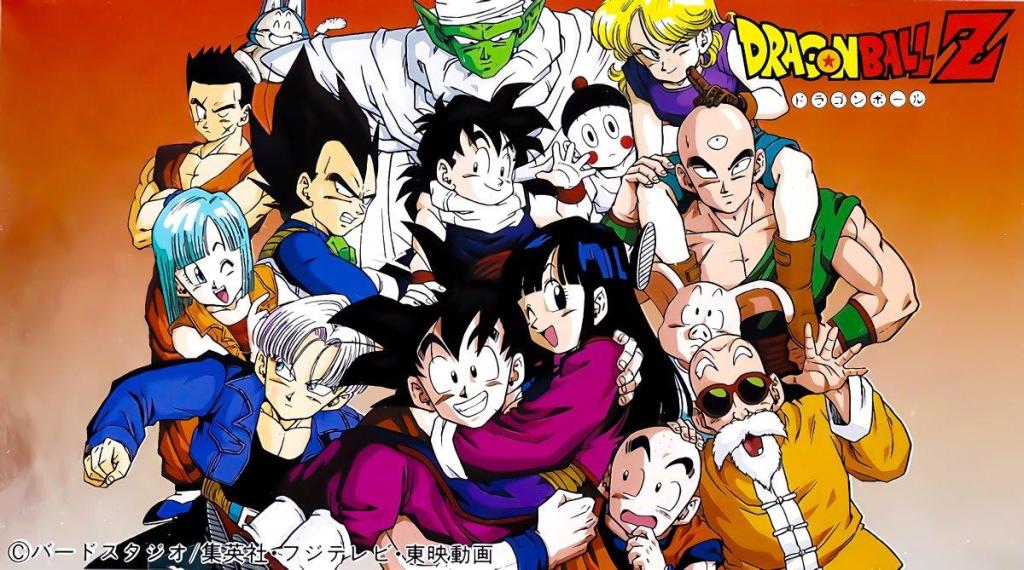
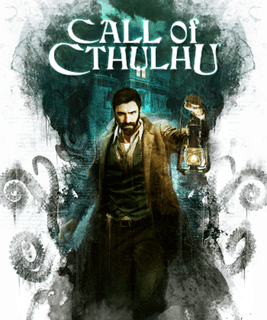


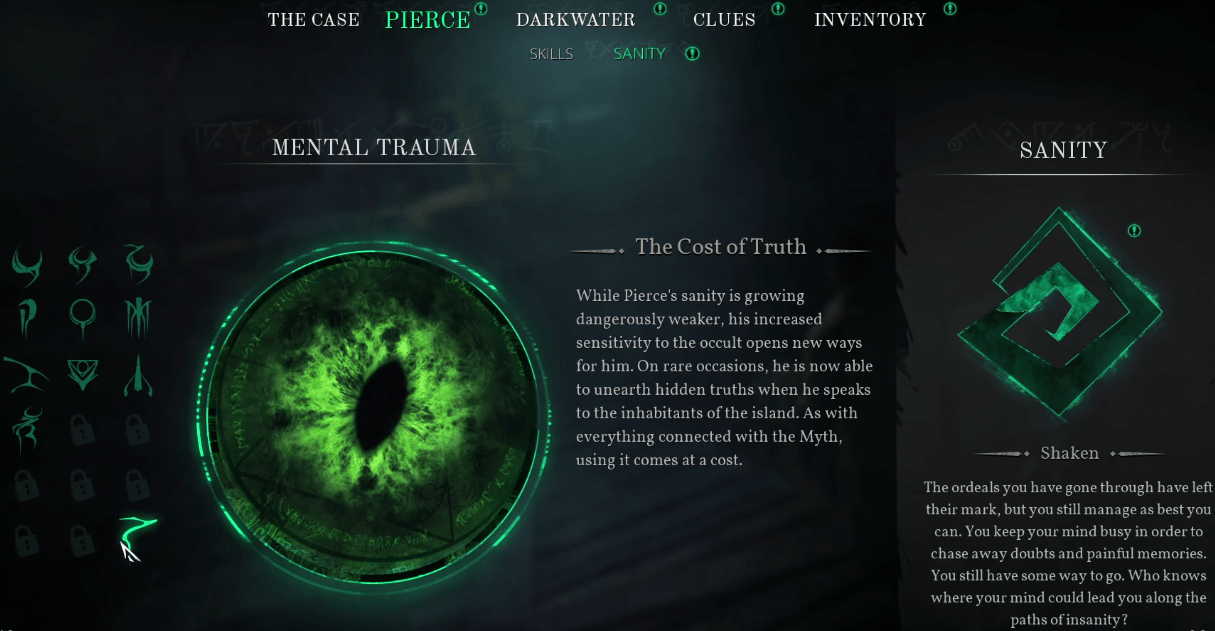


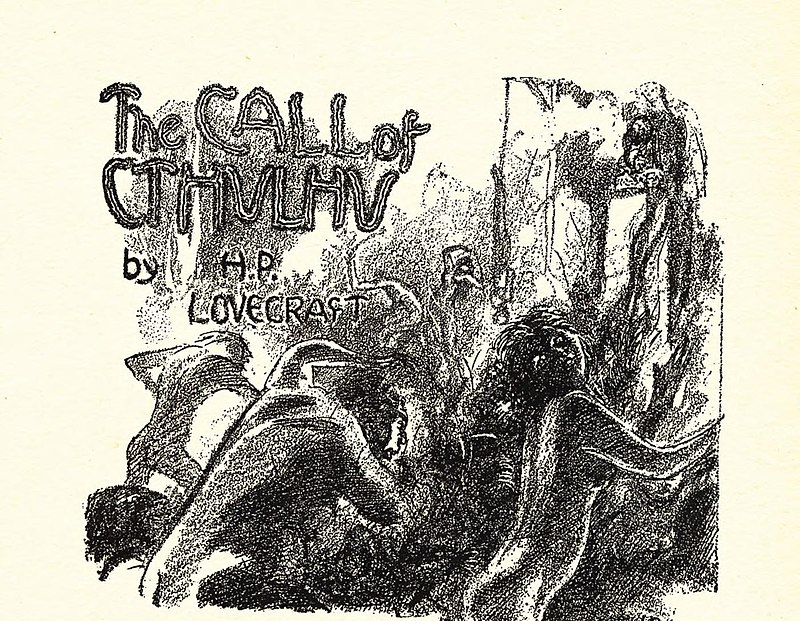


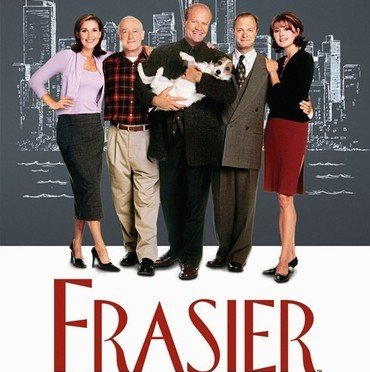


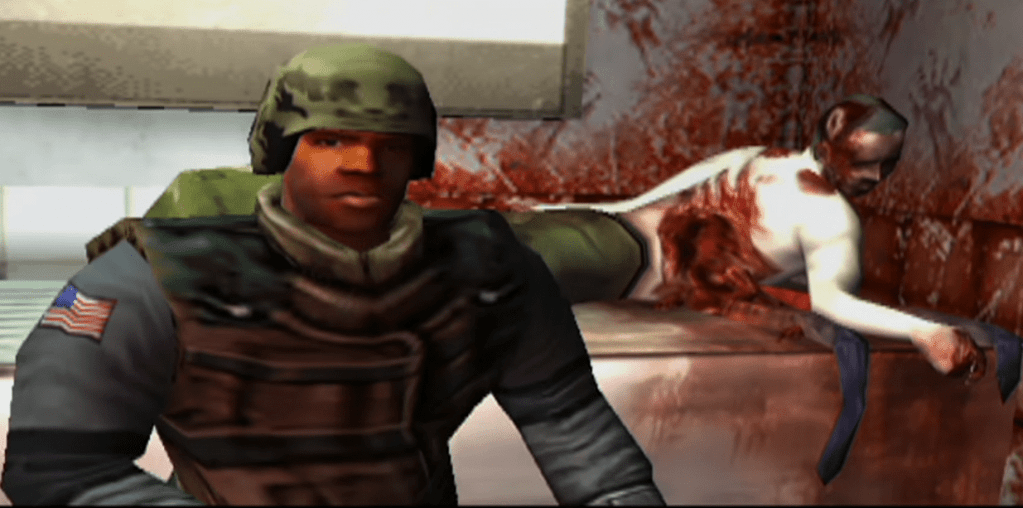

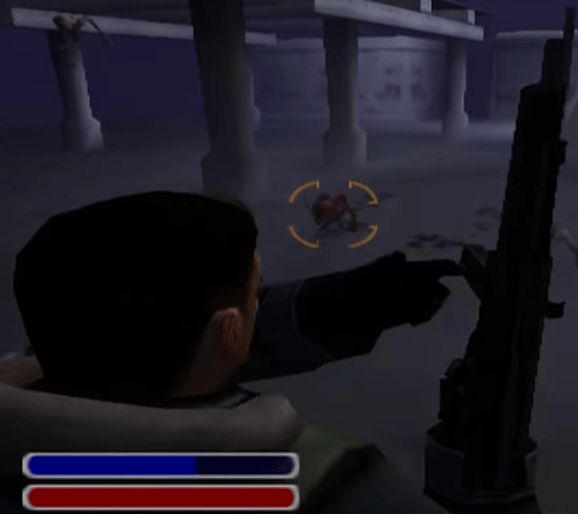
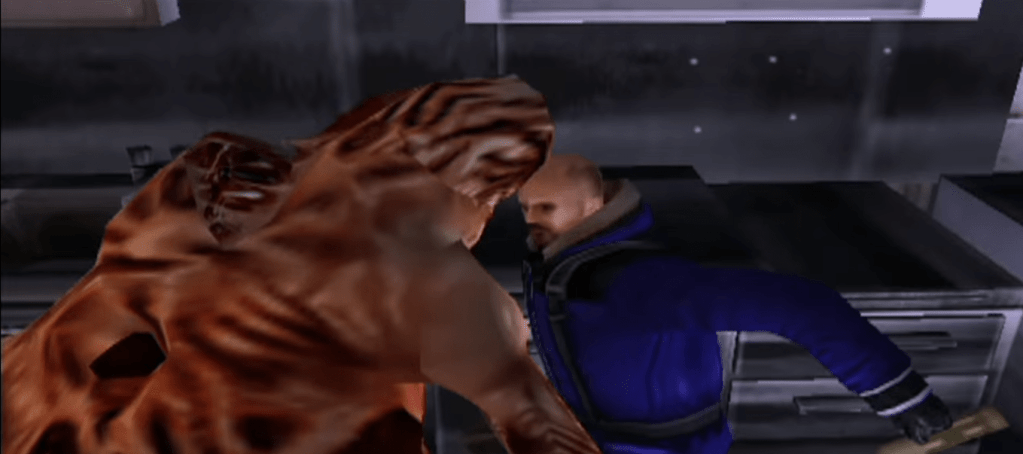
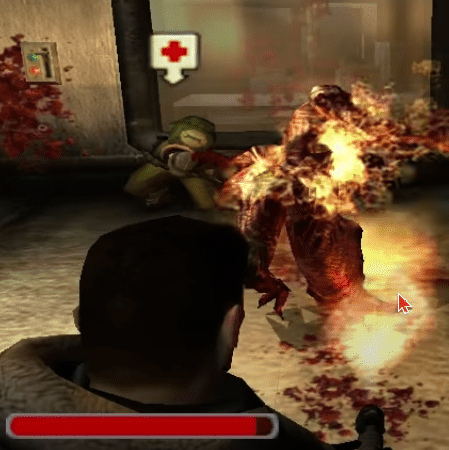


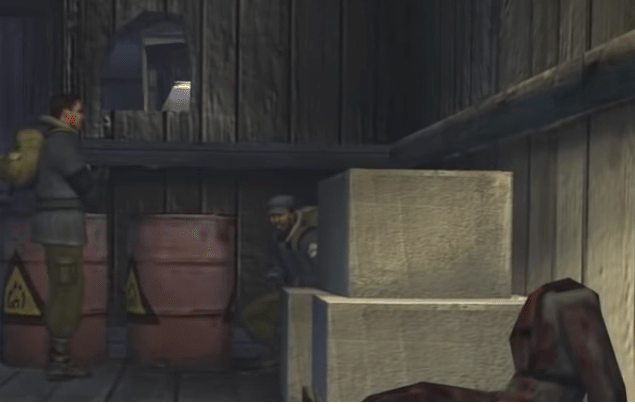


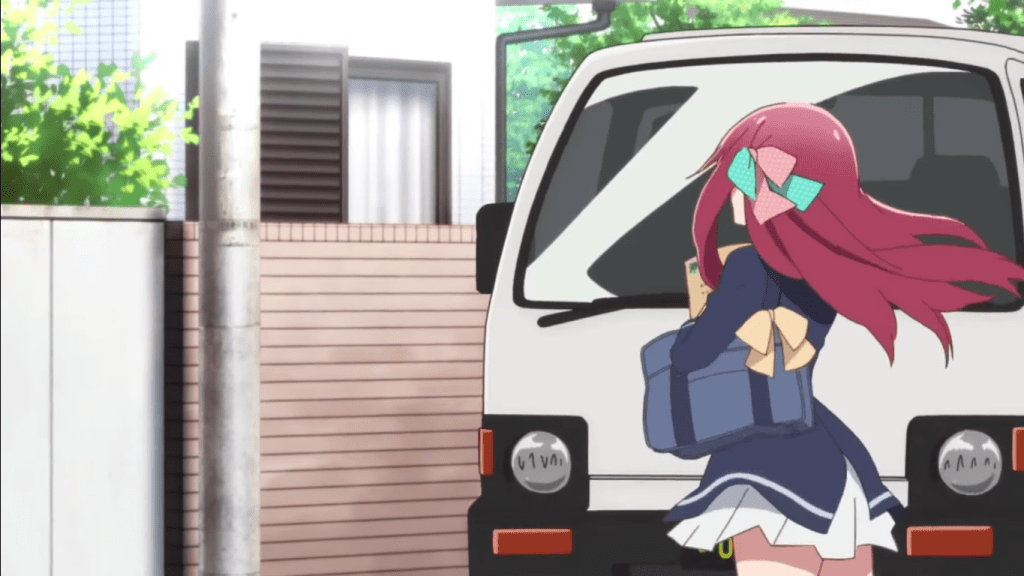
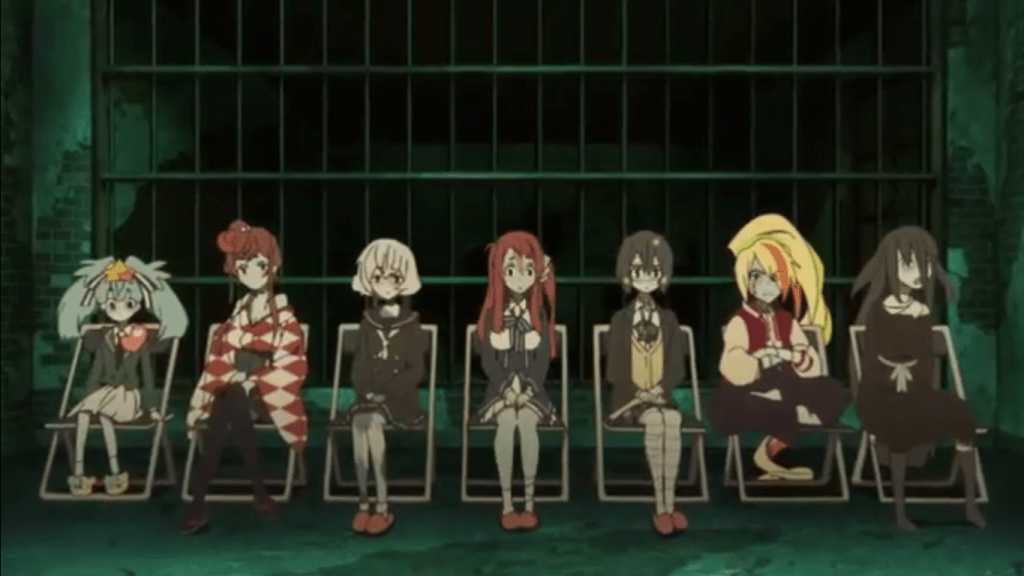


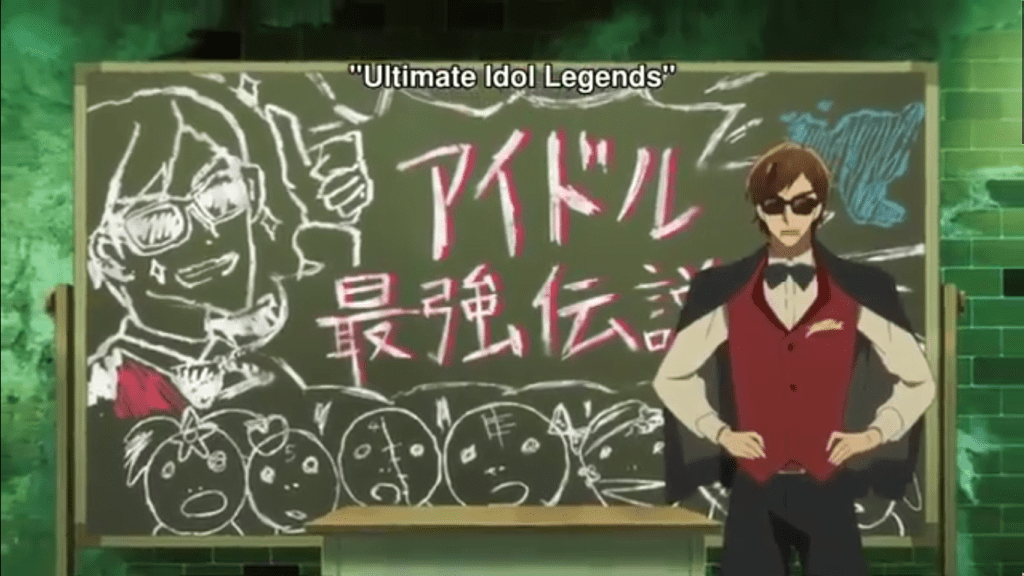


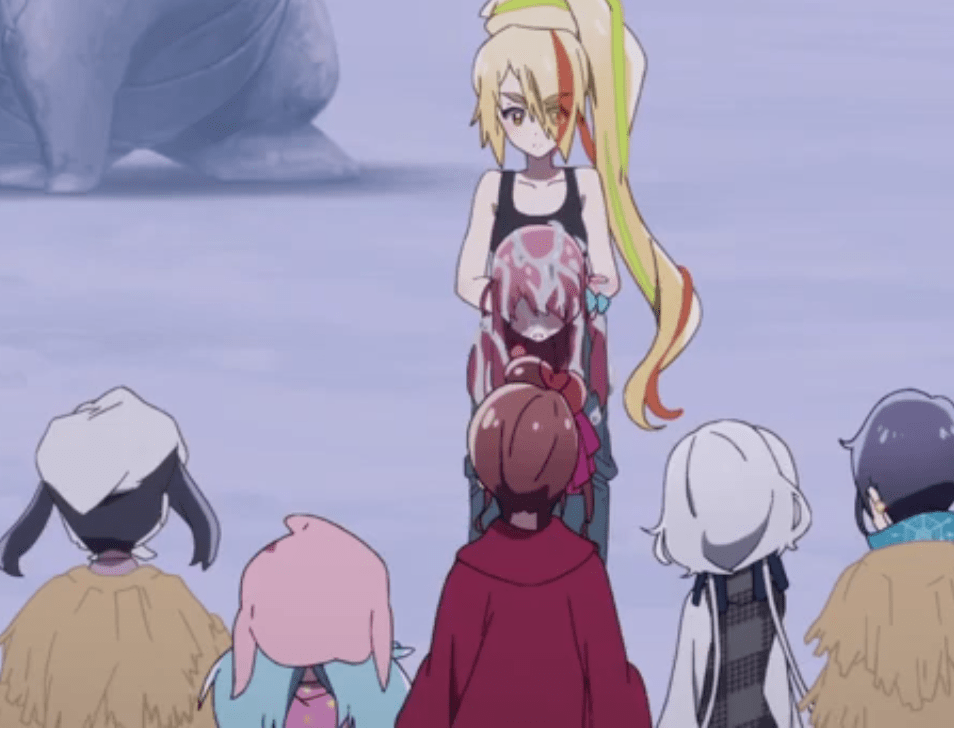


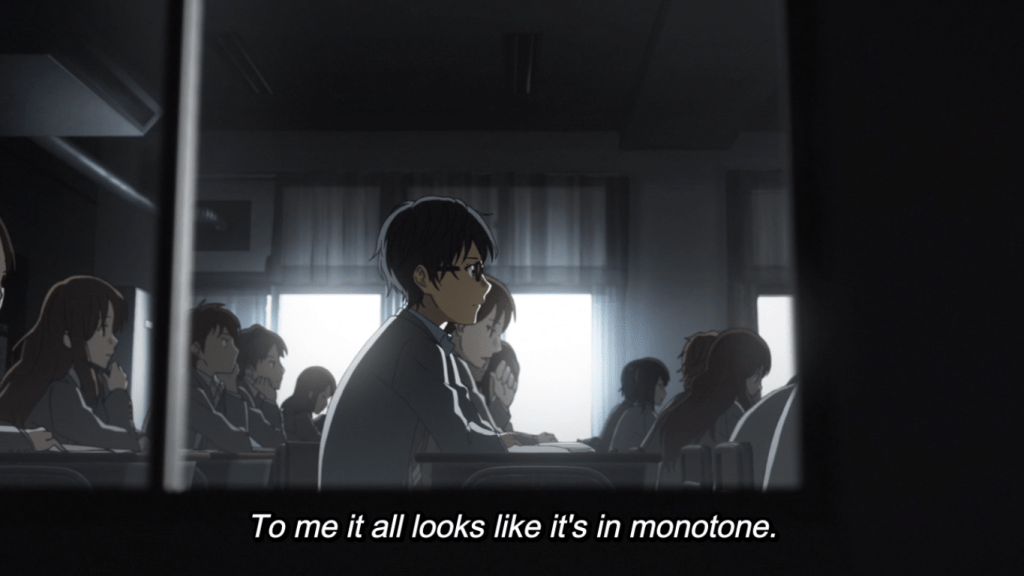


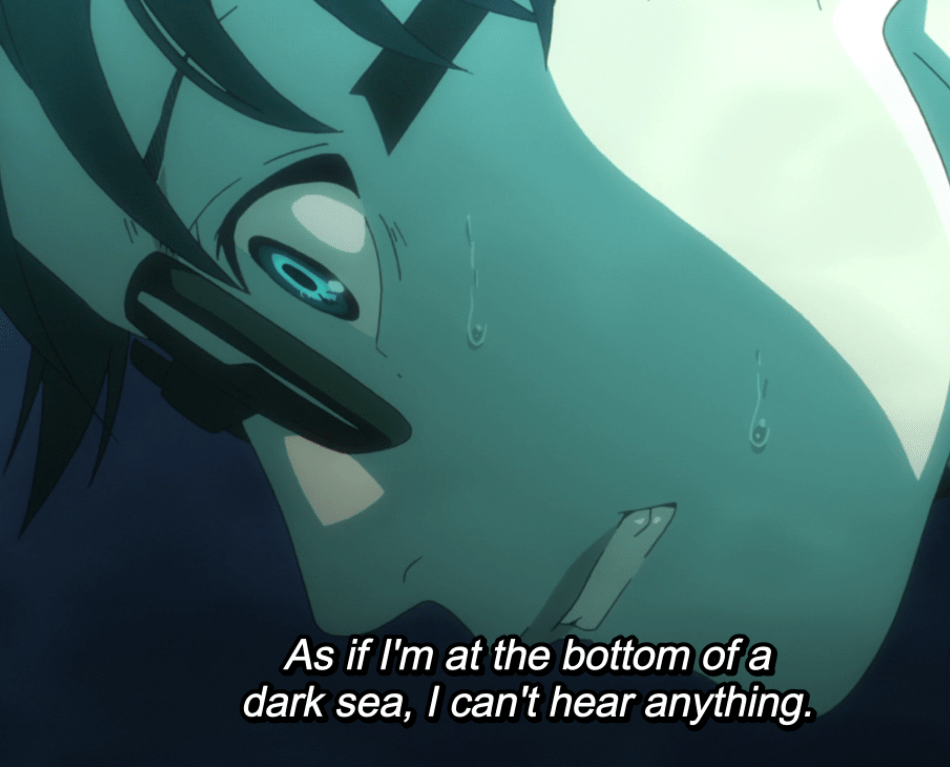
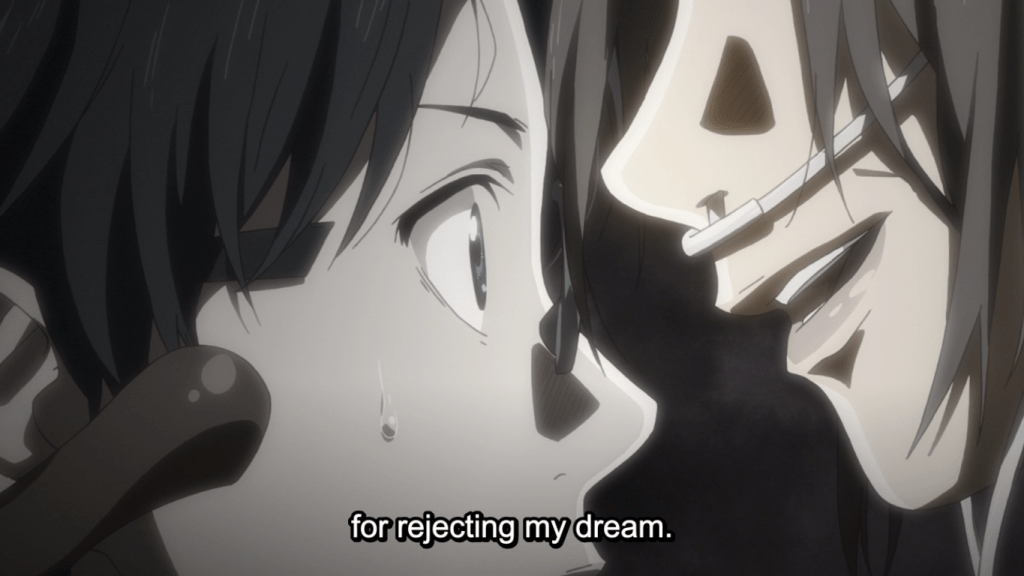






 The Demented Ferrets