Hey everyone, it’s Kernook here. I’m here to tell you all about the “The Demented Ferrets“.
As of right now, we have three members. Kreshenne, Ruka and myself (Kernook). So, let me tell you a little bit about what we do
Our members:
Kernook (Kern for short) – A little bit of everything, and the one who usually deals with the social media/community end of things.
Kreshenne (Kresh for short) – Streaming (will branch out later).
Ruka – Our official artist (art and blog posts).
Hey everyone, Kern here… you know, it always bothers me when people critique fan written works the selfsame as they would original works. I decided I’d examine why.
First of all I want to make note that creative writing is in the eye of the beholder. It really comes down to your view, and you may not agree with everything I have to say. That’s fine and dandy. There’s nothing inherently wrong with that. I’m only attempting to hang a light atop some of the reasons why being too critical of fan written media is on its face the wrong approach to a proper discussion on the subject.
The main difference between an entirely original piece of written media and a fan written piece is that the fandom exists in the first place. Fan written works come from someplace. By strict definition, an original piece of artistic work either inspires or defines some of the parameters of the work being written, hence the name fan fiction.
Orson Wells once famously said that “The enemy of art is the absence of limitations” and I believe this to be true. He didn’t say that in reference to fandom, but rather artistic endeavors in general.
Mind you, this is probably the one greatest truths for fan fiction. By its nature, the media itself is strictly defined by limitations in the first place. You have a set standard in which to choose how to proceed.
The Fan Fiction Writer’s “Toolbox”
A fan fiction writer has a complete tool box to use already at their disposal. We can choose to subvert these understood norms of the series we love, or use them as they are, but irrefutably they do exist already. A few very noteworthy limitations that define fan fiction include the following;
Characters: It comes as no surprise to anyone that most fan fiction uses established characters built and crafted by the original creator. We know what they look like, we know how they act. We can make our own original characters too, sure enough. We can also insert other characters from series we know and love into a separately crafted universe, Either way, we have characters to utilize already and that makes a world of difference. Speaking of worlds though, let’s look at the second thing we gain from the artistic ‘toolbox”.
Settings and Set Pieces: We have these at our disposal too. The books, television shows, movies, and anime that we know and love have these fictional worlds and setting for us to use and play around with. Once again, we can choose to subvert what we know and understand to be true, often we do. Ultimately though, we just don’t have to craft these things completely from scratch for ourselves. They exist, and like everything in the fan fiction writer tool box, we have a clear and distinct starting point from which to craft our story. Even if it comes down to alternate universes, we know exactly what place these characters come from, so we know what might be compelling to change about that.
Proof of Concept: The fact the original work already exists proves that a story can be done with these characters and this world as it’s already designed. Furthermore, being a fan of something means you like that thing, whatever it may be. If there is an active fandom for this thing, then you know other people like it too. For aspiring creative minds, this may be the difference between making an attempt to be creative too, or avoiding the effort all together.
The “Tool Box” Itself: This is the most important thing that harsh critics overlook when discussing fan written media. If the original media itself is flawed to begin with, then you need to allow those same flaws to exist in the fan written work. If there are plot holes and plot bunnies rapidly multiplying in the original piece, then hints of those things will inevitably crop up for the fan written piece. Even those writing fan works attempting to “fix the flaws” will inevitably end up with one or two flaws of their own making. It’s just the nature of the beast. Nothing is perfect, but this holds doubly true for fan made content.
Lack of Services: Fan fiction writers might have a “beta reader” if they’re very lucky, but they don’t have paid editors or peer based quality control. Most fan fictions are posted up on websites and archives. This means that you shouldn’t expect the same sort of quality you’d get out of a best selling novel, or even one you might pick up at a discounted rate off store shelves… at the end of the day, the writer is NOT providing YOU a service, they’re writing for free (note: If you are paying them to write fan fiction for you, that’s a question of legality and morality, but that’s a separate discussion).
With all of that said, it’s almost arrogant and pompous to act with the mindsets that fan written work are the same as an original piece… or expecting that fan fiction authors might follow all of the creative writing rules and standards that we expect from other published media.
That isn’t to say a smash hit might not rise from the ashes and become it’s own unique story separate from fandom. This has happened a few times in the past. Although the likely most well-known example is Fifty Shades of Grey.
The story was originally a Twilight fan fiction, and it proves proved that it is possible to write a fan fiction based story and turn it into something else entirely. That you can, in fact, become a well-known author that way. However, that outcome is so rare that it may as well be labeled a pipe dream.
Ultimately fan fiction is a fun little hobby, and it should be treated and regarded strictly as what it is. That isn’t to say you can’t love it or use it to hone your craft as a wordsmith. Just remember, not all of us plan to be “best selling” authors one day. Some of us just want to enjoy a hobby we love and that’s okay too..
This has been Kern of The Demented Ferrets, where stupidity is at its finest and level grinds are part for the course. I’ll see you next time. Until then check out some other great content below.
To Our Supporters: Thank You!
With your contributions, you make our efforts possible. Thank you for supporting our content. Patreon supporters receive access into our official Discord server, and a few other perks depending on the tier.
There is a $1 tier, perfect for blog readers, so don’t hesitate. Join today!
Hey everyone, it’s Kern here. Awhile back, Kresh completed Crash Bandicoot 2: Cortex Strikes Back (The N. Sane Trilogy version). Below is the archived footage and a bit about the game.
Kresh completed this game on a live stream March of 2021, and you can find our live stream channel over on Twitch. If you like to watch live streams, come check us out when you’ve got some free time. Currently we stream two days a week, and run archived footage on the Saturdays. Be sure to follow our Twitch for more information, and to be updated when we go live.
If you’re a monthly subscriber to our Twitch channel (any tier) you also get access to our official Discord server as well.
For those of you who want a bit more information, let’s just gloss over some of the basics. This is your stereotypical 3D platformer of the late 90’s early 00’s era. Although the remastered version of the game lives up well to its predecessor, it can still be a tad clunky from time to time. Then again, you come to expect that from a game like this.
In general, Crash Bandicoot 2: Cortex Strikes Back is a family friendly title as most platformers tend to be, (although when it comes to commentary, Kresh and I certainly aren’t since we swear so much). If you pick this game up for your household it shouldn’t disrupt too many sensibilities.
The game originally came out in 1997 for the PlayStation. It’s the sequel to Crash Bandicoot, a game that came out in 1996. The series is developed by Naughty Dog and published by Sony Computer Entertainment.
In 2017 the game was re-released as part of the Crash Bandicoot N. Sane Trilogy. Those of you who’ve played a platformer like this know what you’re in for. These platformers were known to be a bit difficult and this game lives up to expectation on that front.
We’ve got a blog post and play-through of the first game in the series that you can find below. You may want to check it out first if you’ve never seen a Crash Bandicoot game before, although I’m sure that’s pretty unlikely. Anyway, if that interests, you, you can find the link to that post, and the gameplay footage below.
For returners of the series, it’s back to the standard formula, more or less. There’s stages to beat, crystals to collect, boxes to smash and the fictional “Wumpa Fruit” to collect. Like always, you’ll gain extra lives when you collect enough of them. Trust me, you’re going to need them.
You play as Crash Bandicoot, a goofy protagonist with an adventuresome spirit. Crash once again is being manipulated by the (hilarious) evil villain named Doctor Neo Cortex. The crystals you need to collect are scattered between 25 different levels. Every now and then, you’ll encounter a boss battle.
Your usual foes are back with a vengeance he demented Ripper Roo, the Komodo Brothers and the ravenous Tiny Tiger make an appearance. Of course, once you collect all of the crystals, you’ll also face down Doctor Neo Cortex himself.
Nitro boxes make their first appearance in this game, and they can act both as boss mechanics and little green boxes of doom scattered around the stages. No, really, these are boxes you don’t want to touch or try to smash. They’ll explode on contact, There’s only three levels that they don’t show up in at all; The Pits, Totally Bear and the Intro, which acts as a game tutorial.
All in all, Crash Bandicoot 2: Cortex Strikes Back is a solid game throughout. It has a decent story-line, and although Kresh and I absolutely suck at platfomer style games, we both agree this is one you should try if you’re looking for something to play.
This has been Kernook of The Demented Ferrets, where stupidity is at its finest and level grinds are par for the course. I’ll catch you next time… meanwhile, check out our other great content below.
To Our Supporters: Thank You!
With your contributions, you make our efforts possible. Thank you for supporting our content. Patreon supporters receive access into our official Discord server, and a few other perks depending on the tier.
There is a $1 tier, perfect for blog readers, so don’t hesitate. Join today!
Loneliness is a hard burden to face, and heartache is isn’t so easily soothed by a few kind words and a passing glance. If it were that simple, these two souls would have likely passed each other by without a single care. However, that’s not what happens, because life and love just isn’t that simple.
Hey everyone, it’s Kernook here, and welcome to another Kern’s Collections. Today I’ll be talking about Emma: A Victorian Romance.
Video Production of This Script
This is the finished video regarding the script. It is written, edited, and read aloud by Kernook of “The Demented Ferrets”. You can watch the video on this blog and on YouTube. I hope you enjoy the content.
This is a truly interesting anime because it lacks so much of what we consider to be typical in the medium. You could completely take this story and make it into a live action series without any hesitation at all, and almost everything would still fall into line perfectly with what the story. It wouldn’t even be jarring or out of place, because this anime doesn’t contain many of the tropes we’ve come to expect from anime as an art-form.
A simple maid of all work, and a bright eyed young gentleman cross paths. Love blooms between them despite the class divide. This is the entire crux of this anime reduced down into a few simple words. It isn’t a particularly complicated series, but it’s not over the top either. It is subdued in many ways, a slow burn romance the likes of which you just don’t see anymore.
Emma: A Victorian Romance is a soft and gentle story about romantic love between a man and a woman. Frankly, that’s all it needs to be. It isn’t a question of if these two lovebirds will end up together, because they certainly will. Instead, it’s a question of how they will navigate that romance in a world so keep to keep them apart.
The series came out back in June 2005, offering fans a true glimpse of heartfelt storytelling set in 19 century England, London to be exact. In that way, you may in fact consider this to be a sociology anime in some ways, because the social system put into place is what divides these two characters. In most ways, it’s the only thing that divides them at all.
As a maid of all work, Emma is tasked to care for the complexities of a small household. She cleans, cooks meals, makes tea, answers the door and anything else that her employer may need. Her life is a simple one, meager because that is the life of most maids. Particularly for the maid of all work. This station was a commonality for households that lacked grand estates that would employ several people all with a key set of tasks. Hiring one promised a symbol of status at the time. If you could afford to hire one back in those days, you did because it made you more respectable. Emma’s general backstory is a common one for women of this era.
Young girls were raised into the trade, and so was Emma. This was a life most girls would come to understand if they sat below a certain social class. They could learn by an employer that had taken them in, or by their families in hopes of helping their child find a job. Women just didn’t have many places of employment back in those days, and a certain level of decorum was expected among the classes. A certain responsibility loomed over society at the time, and Emma’s story shows how romance unfolds when two people deny that responsibility outright.
When a simple maid steps into the world of the gentry, there are a hurdles to overcome. William, is a member of this gentry and he is the eldest son of a wealthy family. Now, that’s not be confused with royalty. He’s not royal blood. Gentry have high status, but often times they do not carry royal bloodlines. The confines of status mixes looms heavily upon William’s shoulders, especially when he meets Emma, and falls in love with her. He doesn’t care what society demands of him, he loves her.
This is a series that relies heavily upon implication and pleasantries. While you’ll find all of the usual wrappings of your typical romance anime here, a layer of firm composure rests atop every interaction. You’re not to see goofy levels flirting or inane romantic stupidity. Instead, you’ll tend to find the budding romance is composed, refined, and full of unspoken nuance. Love between these two isn’t easy, and the uphill battle they have is one strictly left down to the confines of their society.
If Emma had been born into the gentry herself, she could have fallen in love openly and honestly with William, with very little difficulty or opposition. Since she is a maid however, that’s just not the case. They both have their statuses to consider, even though William often doesn’t really care what people think.
All-in-all what makes this story so interesting isn’t that they fall in love, but the confines and intrigue of that love. As you watch the show, you’re brought to wonder what it means for Emma and William to have this connection in a world that would staunchly disprove of the mere idea, let alone actually doing it.
This is a series that keeps melodrama to a minimum, and focuses more on truly emotional events to drive the plot forward. There is a key character death for example that heavily impacts Emma’s livelihood, just as it would have in 19th century London at the time. That event and a few others are handled with the same gentleness as the rest of the show, even in those melancholic moments.
Ultimately, this is a series made for a true romance anime fan. Someone who likes the slow burn romantic entanglements, and the issues that might arise from them. Emma: A Victorian Romance is one of the best true romance anime I’ve ever seen. The title says it all, and if you enjoy romance between a man and a woman, this is certainly worth your time. That being said, if you want to see a healthy mix of GLBTQ or GRSM representation in the anime you watch, I’m sorry to say it’s just not there. Though if that’s more what you’re into make sure to follow the channel, because I will be covering an anime with those sorts of themes too in upcoming videos.
This has been Kernook of The Demented Ferrets, where stupidity is at it’s finest and level grinds are par for the course. I’ll see you next time, in the meantime, check out our other great content below.
To Our Supporters: Thank You!
With your contributions, you make our efforts possible. Thank you for supporting our content. Patreon supporters receive access into our official Discord server, and a few other perks depending on the tier.
There is a $1 tier, perfect for blog readers, so don’t hesitate. Join today!
Hey everyone, it’s Kern here. I’ve got some cool news, we’re now affiliates on Twitch! Yeah, pretty cool, it took a while, but we’re slowly growing.
It’s been a weird year, all things considered. Between my mother’s health problems, and taking that long several month break, we weren’t sure we’d hit that point so soon. We’re there, and it’s kind of like a breath of fresh air. It’s one of those “wow, we’re really doing this” moments where it feels… well, not so much a “milestone” but more like it’s another little step in the grand scheme….
It’s like life is really starting to look up now that my mother is doing a little bit better and we’re now affiliates on top of it. If you haven’t been checking us out over on Twitch, you really should. If you like to hang out, watch gamers, and just have an all around good time you’ll probably have a good time over there.
We’re finishing out Dream Daddy on Thursday, November 4th (today at the time of this post). Come stop by if you want to see us make a mess of that for sure. It’s a goofy little dating simulation, but we’re having fun with it.
Well, you know me, Kern, your friendly neighborhood ferret that breaks things and messes everything up so that Kresh needs to fix it. That’s the same old thing of course. I’m still breaking things, sometimes on a daily basis. I think I’ve re-written this post twice now, trying to find the right words. We’re still streaming over on twitch, of course, and I’m still writing blog posts.
YouTube stands as a weird middle ground, both as a video archive and a place where some of our reviews and other content can be found. Usually I cross embed those bits of footage here too, in the form of let’s plays and what-not, and that goes unchanged. Kresh is working on a project, but I don’t know when that’ll be finished.
It’s funny when I look back to this old image, one of Ruka’s earliest pieces of artwork, I’m a bit nostalgic. It’s been about a year since we started this whole idea. It’s been a learning experience, that’s for sure.
I was supposed to be the ferret tied up and laughing, Kresh the one looking grumpy, and Ruka’s early avatar was that skull and crossbones sitting on the television in the background. We’re all a little rough around the edges, much like that drawing itself is a rough conception of our personalities distilled down into one cartoon drawing.
We’ve come a long way since then. I’m not entirely sure what the future holds, but it seems like a bright one. One of the important things that’s so key to who we are as people is the concept of our diversity. We have an American person, a British person, and a person hailing for Puerto Rico. We’re all on the GLBTQ spectrum, or as Kern (me) would rather call it, GRSM… which is why we’re all so gender ambiguous on the streams and here on the blog. We don’t “sound” as we identify, so it’s just easier for all of us that way. That and gender isn’t everything, we’re more than that, of course.
We do believe representation is important though, and with that, don’t forget to check out Ruka’s blogs when she posts them up.
If you see this icon, that’s Ruka’s avatar over here on The Demented Ferrets. Ruka is writing blog posts now, so if you haven’s seen the first post you really should check it out. Especially if Spanish dubs are important to you.
Ruka has been our artist since the start, but the completely unique perspective on anime and gaming that Ruka brings to the table can’t be understated. The blog post above about Spanish dubs is a great example of that. I (Kern) don’t speak Spanish very well (as in I completely butcher the language when I try to speak it/read it) so having Ruka add in those two cents really matters. Usually when we think of anime dubs here in the states, Spanish speaking dubs just aren’t often discussed… or at least, I don’t often hear them discussed at length.
Fun fact, Ruka’s planning to come up for a visit here sometime in the new year, and that’ll be a lot of fun. We’ll probably have some cool footage of that eventually whenever it happens.
Well, that about does it for this post. It’s just a small update. I’ll see you around next time. Ruka’s working on her next blog post, and so am I. Hopefully, we’ll see you there.
This has been Kernook of The Demented Ferrets, where stupidity is at it’s finest and level grinds are par for the course. I’ll see you next time. Until then, don’t forget to check out some other great content.
To Our Supporters: Thank You!
With your contributions, you make our efforts possible. Thank you for supporting our content. Patreon supporters receive access into our official Discord server, and a few other perks depending on the tier.
There is a $1 tier, perfect for blog readers, so don’t hesitate. Join today!
Warning: The game I’m reviewing today is called “The Static Speaks My Name”. This game contains mature themes. Mature Content: This game deals with the concept of suicide… it’s not too overly dark or graphic, but the theme is looming and present. Kern’s Disclaimer: This is not just a typical little indie title, it has a narrative that needs to be handled with care and respect. Know that going into it. One more time for the people in the back. This game is NOT for young or impressionable gamers. If you have delicate sensibilities regarding the content warnings above, maybe just don’t read this review or play this game.I won’t be held responsible if it triggers the absolute crap out of you.
I enjoy indie content, particularly when it pushes the conventional narrative limitations of media in an interesting way. The game I’m reviewing today does strictly that. Before I begin my review though, I do hope you didn’t disregard my content warning above. If you did, scroll back up and read it first.
The thing that sets this game in a different category from other indie horror titles, is that this game is less “terrifying” and more along the lines of “tragically unsettling”. I wouldn’t call it a horror game per say, because I don’t find it scary in the traditional sense, nor unnerving in the general one. Rather, this game dives deep into the realm of psychological horror in ways I rarely ever see.
It’s not scary, it’s chilling. Thematically speaking, “The Static Speaks My Name” is a short title, but far from a sweet little package. The game is more of a “narrative experience” than a game itself. Actually, I’d hesitate to call it a game because there is a clearly a narrative to be found here, but there’s not a whole lot of “gameplay”. The price is right though. As of writing this blog it is completely free on steam, and the time investment to complete the game is minimal.
The fact that it will take most people about ten minutes to to complete it says enough on its own. Honestly, you can beat in it half that time if you really wanted to rush it. Now, while some people may find the length lacking, the content isn’t. What you’re given in that short time isn’t anything to scoff at.
When you begin the game, a brief prologue begins. Surrounded by a dark space, you’ll see something in the distance and you’ll have to walk closer to it. As you do, you’re given three things. A name, an age, and a cause of death. When you get close enough to what is basically that floating cloud in the middle of a dark expanse, you enter into the body of a man, and you live out is last moments alive.
The beeping alarm drags the man from slumber and he awakens to a home that’s just a little strange. Everything seems just a little out of place and just slightly out-of-sorts.
As a first-person game, you play as a man named Jacob Ernholtz. As a player, you soon put the pieces together to find out more about this man, and his final decision. To be clear though, the game isn’t all doom and gloom. It’s not all awfulness caked in pure and unbridled cynicism. If it was, I wouldn’t have enjoyed it.
Actually, “The Static Speaks My Name” does something else. It attempts to tell a story that has little to do with the event that ended this man’s life, and more to do with his final moments that preceded it. This game is not an analysis nor a deconstruction of the prevailing topic at hand. It’s not even about the physiological nor social conditions at play when ones goes about making such a choice.
Rather the game carries a heavy undertone with the concepts of obsession more than taking one’s own life. As though the pictures hanging upon the wall act as an all consuming focus that Jacob Ernholtz couldn’t possibly escape a fascination with. He isn’t a good man in the slightest, which only further makes it hard to relate with him on any level. I’d say that that fact alone is what makes it a horror title. It isn’t the inevitable end that makes the game so unnerving to me, it’s the character you play as, and just how disturbed he obviously is.
Just take a look at the image below as a hint to just how obsessed he is with that one painting and the painter behind it. I assume you could extrapolate all kinds of meanings from this if you really cared to, but as for me, I don’t care to try at all… really, just playing as the guy is enough for me to be unsettled about just what in the hell could have been going on in his brain.
As for gameplay, it’s just a game about slowly twisting mundane moments in this one man’s life. Cleaning the microwave, admiring his collection of paintings among the wall, or eating his pet shrimp. Simple details, really. However, it soon becomes clear that this is the point of the game, the simplicity beyond horrific spectacle, which the game cares very little for. it doesn’t glamorize it’s core themes, but rather, it seems to spit upon the idea that typical cliche’s about depression needs to be continued on in ways we would normally expect.
They’re tired, they’re dusty, they’re old and we don’t need them. The game seems to say this, to exemplify that notion in every act, The game doesn’t spell things out for you concisely, there is no neat or tidy conclusion, and you won’t be likely to find yourself re-playing the game more than once to pick to pieces every little detail.
Once is enough, and the slow spiral of madness seemingly induced by paintings upon the walls is truly macabre in notion, but not quite in a way that inspires empathy or compassion… especially after you notice just what else this man keeps in his house.
The fact of the matter is, what makes this game notable, is that it inspires a gambit of emotions. There’s dark humor mixed with tragedy and although it is sad, dark and pretty disturbing, I find that it is a fitting end to this short game.
Now, onto the “static” concept and the idea of seeing other “static deaths”. If you look at the reviews, or commentators on Steam you see that notion brought up often enough in their reviews section. Here’s the thing, I’m glad we only have one story. One glimpse, one looking-glass, and that’s all. I don’t want more than this, and I’m glad that we don’t get more than that.
The reason for this is because while I do think that perhaps more “statics” would have been interesting, I believe it would have made the game rather unpalatable in the long run. There’s only so much of this grittiness that anyone can take, and there comes a time when a compelling point to explore these concepts crosses a line too far.
If this game had been any longer, if it had explored too many more deaths or the disturbing minds behind them, it wouldn’t have just crossed the line for me. In fact, it would have trampled all over it and left a big steaming pile of dung in its wake. The solo developer, Jesse Barksdale, was wise not to take this narrative, or this game that far.
So, I guess the final question is, do I think you should play this game? All in all, if you can handle these sorts of themes, it might be worth your time to play it. Keyword being might. Once again, it’s short and it’s free. Those are low barriers to entry, so long as you can swallow down the core themes, which is the much larger, prevailing question. I can’t answer that, and to me that remains the ultimate conflict.
I think “The Static Speaks My Name” is an interesting narrative experience. However, I don’t think most people would “enjoy” playing as as such a disturbed man who eats his pet shrimp and has a nasty little propensity to obsess about a single painting. Honestly, give it a try if you want to take a dive down into that kind of character. If you have no interest in that, then this game is not for you… keep away from it.
This has been Kernook from The Demented Ferrets, where stupidity is at its finest and level grinds are par for the course. I’ll see you next time. Don’t forget to check out our other great content.
With your contributions, you make our efforts possible. Thank you for supporting our content. Patreon supporters receive access into our official Discord server, and a few other perks depending on the tier.
There is a $1 tier, perfect for blog readers, so don’t hesitate. Join today!
Hey everyone, it’s Kern here, and today I’m bringing you more archived content from previous live streams. Over on out Twitch channel Kresh completed Call of Cthulhu, so that’s what you’ll be getting today.
Now, for those of you who don’t know, Call of Cthulhu is a fusion between a role-playing game (RPG) and the survival horror genre. Developed by Cyanide and published by Focus Home Interactive on 30 October, 2018. This game is the epitome of existential horror at it’s finest, but it isn’t particularity scary compared to other games that would be considered “horror” by nature. It’s more “creepy” or “unsettling” than scary. You might even say it is atmospheric more than anything else.
Kresh Plays Call of Cthulhu
The gameplay footage accompanied by our commentary can be found on YouTube and Twitch. If you like more content like this, please be sure to follow us on our other channels too. Kresh managed to beat the game in two parts.
The game was developed for Microsoft Windows, PlayStation 4 and Xbox One in 2018. Roughly a year later it saw a release on the Nintendo Switch. The game boasts a decently crafted narrative, heavily inspired by the written works of H. P. Lovecraft, a man made famous for his weird and often unsettling fictional stories.
The storythat the game is heavily inspired by, also named “The Call of Cthulhu“ was first publicized in February 1928. Later the story and universe would be adapted into plenty of other forms of media, such as table top role-playing game in 1981. That’s not the only renditions and retelling of the story we’ve seen though. In 2005, a silent fort film was even made, despite the fact that many considered “The Call of Cthulhu“ an entirely unfathomable project to produce, and unable to be filmed besides… but the movie is out there if you care to look for it.
So then, other other swaths of media aside, what is “The Call of Cthulhu“ video game about and what it is like? Well, let’s take a look.
The plot is fairly standard. The year is 1924, you play as a private investigator Edward Pierce, a man that suffers greatly from bizarre nightmares that become more vivid as time goes on. He is both a war veteran and a man of many vices. Notably, he self-medicates with sleeping pills and alcohol. How you choose to handle these vices will impact your gameplay experience, by the way… more on that later.
In any case, Edward is called upon to study the mysterious case surrounding the tragic Hawkins family. Apparently they’ve all died in a fairly violent fire… or have they? Edward must find out the truth.
Your only clue to go by is a an oddity; the picture painted by the supposedly crazy mother. Even weirder, it was painted shortly before she died. Now it’s Edward’s job to go to a place called Darkwater Island, and untangle this baffling mystery. I don’t want to spoil too much here, but it has a decent story. It all depends in how you choose to play and the choices you make. As for gameplay itself, that’s a mixed bag. You’ll find elements of “investigatory type” games laced deeply within the horror setting you find yourself in. A lot of mystery games use this sort of system, particularly when horror is closely ties to it.
Of course, this means dialogue options. Now, I don’t personally care too deeply for wide range of dialogue options myself… particularly when a few options are locked behind a skill tree. Obviously there’s a market for complex dialogue wheels and the illusion of player choice, but all games have some sort of “on rails” experience to them when you really start scrutinizing the matter…
Generally, I find complicated wheels that have options hidden behind a skill tree to be a cheap argument for “replay value” at best, and flat out annoying at worst. Beyond that, though, most games that use these sorts of systems aren’t the type that I’d typically replay with any regularity anyway. That’s just a personal preference. The system isn’t too clunky, if you’ve played Mass Effect or any game like that, you know basically what you’re in for.
It’s not awful, it’s just not my preferred method of narrative progression. Speaking of the narrative though, let’s discuss the aspect of sanity. Since that is one of the most paramount features in the game when it comes to driving the narrative, it merits a discussion.
Depending on choices made throughout the game, such as your dialogue options, the way you’ve explored the areas and all of the events that affect your sanity gauge, there are four possible endings total. However some of them are more desirable than others.
The more insane you become, the more likely the “darker” endings will be. Kresh managed to land a fairly gruesome one in our footage, but there are other endings too, if you manage to make the correct choices early and often… I will say this, due to the nature of this game none of the endings are what one might call “happy”, it is a horror game after all.
Sanity management, skill trees, careful conversational choices, and stealth action all play a decent part in the greater narrative. There is some combat, but not a whole lot. You’re better off hiding than attacking things, unless of course, you’re meant to attack them. A few key encounters come to mind, but I won’t spoil them here.
The Call of Cthulhu isn’t a bad game, all thing considered. It’s not far and away amazing, but it’s not god awful. It’s a solid experience and narrative is worth the ride if you can pick it up on sale.
You’ll probably enjoy the game far more if “cosmic” type horror and further reaching and looming existential dread appeal more to you than jump scares and mindless gore. Give it try, you may like it.
This has been Kernook from The Demented Ferrets, where stupidity is at its finest and level grinds are par for the course. Hopefully you’ve enjoyed the content and will be in search of more like it. If so check out our other content below, and don’t forget to follow is on our other platforms.
Hey everyone, it’s Kern here, and welcome to some spooky content for the month of October. How spooky you ask? Oh, nothing too terrible, just existential dread at its finest. That should do, shouldn’t it?
I like horror, if you’ve been around the blog for any length of time, you know this. Be it video games like “Resident Evil”, anime like “Perfect Blue” and movies like “The Thing“, I enjoy a good horror title every now and then. However, so much horror is filled with blood, gore, and other generalized “in-your-face” nonsense. There’s nothing wrong with that, sure enough. Good horror media shouldn’t be too stifled, and creativity is important. That being said, most horror media nowadays doesn’t normally draw upon being subtle.
Horror shouldn’t always be about grandiose shock value. We shouldn’t constantly try to see just how many ways to bring a rebirth to older media when their original format still hold up to scrutiny just fine.
The film relies heavily on its psychological drama to carry the story forward. Many scenes are purposefully unsettling, and Mima is an enigma by nature. Several questions are left unanswered and up to interpretation.
I don’t need any half-baked “Saw” or “Halloween” knock-offs either. Let those ideas stew in the cooker a little while longer and come up with something truly stunning, I’d say. Classics are classics and staples are staples for for a reason. There comes a time when beloved titles are run into the ground, thus turned into an abomination instead of a masterpiece born anew.
Do you know what we do need more of? Truly existential horror. The sort that lingers with you, as all properly crafted horror does. It should be a slowly and surely building tension, creeping and creaking within the depths of the mind.
Writers of good horror know exactly how to harness that level of unease. Works that offer a purely physiological, pin-point accurate sort of terror, woven between the confines of madness and all-consuming dread have been around a very long time. There is a common trope we see all too often here, and yet, it never becomes stale. Media such as “cosmic horror” takes entirely rationally thinking characters and gradually turns them unsound until they’re completely at wits end. We, as consumers of this media get to watch the events unfold.
I can do you no better on this October than to speak about one of the most brilliant writers of this twisting and turning, near labyrinthine media. Hisname is Howard Phillips Lovecraft and the name of his game is the cosmos itself, bringing nightmares to life.
His way of writing was a gift to literature. Combining metaphor with subtext, he could formulate and conceive the tenuous impossibilities that rest deep in the paranoid ramblings of humanity. Fear of the unknowns within the wide expanse of the universe. That sort of fear resonates within all of us to some degree or another. Lovecraft taps into those little “what if’s” in a way few other writers ever could.
He was a master at crafting fictional worlds and realities that could not possibly be fathomed by the characters residing in them… and so help the reader brave enough to crack open a tale or two penned by a man like Lovecraft. His works are not often for the faint of heart. They are incredibly intelligent pieces of media, but far from pompous.
So, why am I talking about this today? Well, I’m a fan of his written works, and that’s reason enough. Recently over on our Twitch channel, Kresh played a little video game known as Call of Cthulhu. Clearly this game is heavily inspired by Lovecraft’s work, and therefore I thought I would do a blog post about the guy.
I wanted to briefly talk about the concepts surrounding his brand of horror, mystery, and all things unsettling.
Now, Howard Phillips Lovecraft, or H. P. Lovecraft as most probably know of him, was born in the August of 1890 and passed away in March of 1937. Despite those short forty-six years, Lovecraft was a bright mind and a prolific writer. It’s just too bad he didn’t become popular and his works went underappreciated until long after his death.
February 1928 was the year that The Call of Cthulhu got published in Weird Tales, a pulp culture magazine of the time. It had a decent following too, for the era.
Now, Weird Tales had a habit of publishing a fairly large range of oddities and strange fictional stories. You know the type, the kind that wouldn’t easily find a home elsewhere. Lovecraft’s written works often fell into this category. His strange, often otherworldly style of storytelling seemed to be a good fit for readers of obscure, occult media. He found a home in the publication and others like it.
His notable works obviously include “The Call of Cthulhu” which horror fans and gamers alike will probably know him best. That’s why it’s the story I’m touching upon first in this post. This work of fiction not only has several video games as kindred spirits, there is also a table top game that saw its release in 1981. If that’s not enough for you, there’s also a short indie film as well, paying respects to this great work of fiction.
If you want to see gameplay footage of “Call of Cthulhu” a game released in 2018, Kresh just finished playing it. You can find the footage over on our Twitch channel. Don’t forget to follow us over there too if you like to watch Twitch streamers… the link will open in a new tab.
Now, back to the mastermind and my gushing as a fan. If you don’t know what cosmicism is, then you don’t know Lovecraft. Let’s start there, shall we?
The basic idea for cosmicism states that there is no divine presence, such as a “God” in the greater universe as we understand it. Rather, the human race is fairly insignificant within the greater scheme. There is other of intergalactic existence under this mindset, meaning, there is in fact life beyond our knowledge and understanding. We just can’t fathom what it is. As it applies to horror, this touches upon the concept that humans fear our own insignificance and ineptitude. That we cower in the face of a universe we just can’t understand…
Or to put it simply, the cosmos is an endless void, with countless possibilities, and that terrifies us. Looking deep into that abyss would drive us mad. Drawn to it as we are in our pursuit of answers, humanity would come to regret every moment we tried to do so… hence what makes “cosmic horror” what it is.
Now there is far more to it than all of that, but the general outline gives you an idea of how Lovecraft defined himself through his written works. Existential dread and the whims of a universe we just can’t understand build up the tension and release cycle his works of horror can provide, and Lovecraft willing provided that sort of horror in spades.
As for Howard Phillips Lovecraft himself, he was an avid reader. He admitted that his writings were heavily influenced by his readings ofPoe‘s and Lord Dunsany‘s fictional worlds and unsettling writings.
As stated above though, even though nowadays we regard H. P. Lovecraft as a very prolific writer, he wasn’t very well known in his life. Aside from the readers of pulp magazines, his works just weren’t regarded as mainstream media.
Lovecraft couldn’t support himself completely upon his writings. Frankly, it wasn’t until the 1970’s when his works began to really pick up steam for mainstream audiences. However, the birth of this newfound popularity inspired a great deal of other works we now call the “CthulhuMythos“, which draws heavily upon Lovecraft‘s characters, lore, the larger thematic entanglements that we now consider to be “otherworldly” or “cosmic” styles of horror… the sort of horror that relies entirely upon what humanity cannot completely fathom.
On a personal level, I do want to touch upon one issue with other forms of media, particularly video games. If you can beat the ever loving crap out of Cthulhu in any capacity, that’s not indicative of Lovecraft’s works. That’s a power fantasy abomination… not his brand of horror.
If you have somehow come across a piece of media in the wider Cthulhu Mythos or within the larger fandom where the characters do heroically overcome the “unfathomable” completely unscathed, and have thus found yourself thoroughly put off by the concept of cosmic horror, pick up a proper story and read it.
If you still don’t believe me when I say that Lovecraft was a master at writing great horror stories, try this one on for size.
The Shadow Over Innsmouth is by far my favorite work by H. P. Lovecraft. Also, remember when I said he wasn’t a widely popular writer?
Well, this was the only story of Lovecraft‘s that was actually published into a book during his lifetime. I think that alone speaks of its quality. I won’t spoil it, or tell you what it’s about. This one is just too good to try to explain in a short paragraph or two.
If you want to read a good classic horror story, go into this with little more than full and complete intent to be unsettled. Pick it up and just read. You will be pleasantly surprised. If you like “cosmic horror” and what it’s themes allow for, it will serve you well. Remember though, nuance is at the height of a fiction like this one. You won’t want to underestimate the slowly building pace the narrative sets. Give it a chance, and don’t rush through it.
While it’s true that gamers of all kinds are likely much more aware of “The Call of Cthulhu” I think that its popularity may in fact be a disservice to readers at this point. We know it to be a great work of fiction, and therefore perhaps place it on a pedestal too high for our own expectations.
Personally this is why I much prefer to suggest “The Shadow Over Innsmouth“, originally published in 1936.. Even though it is also a very popular written work of Lovecraft‘s, it doesn’t carry the same acclaim in gaming and other media. It is a bit lesser known to the typical horror fan, and I think it stands as a better entry into the wider Cthulhu Mythos.
Ultimately how you choose to best enjoy the horror medium is up to you, but as for me sometimes the best horror is in a good book by one of my absolute favorite authors of all time.
This has been Kernook of The Demented Ferrets, where stupidity is at its finest and level grinds are par for the course. I’ll see you next time.
To Our Supporters: Thank You!
With your contributions, you make our efforts possible. Thank you for supporting our content. Patreon supporters receive access into our official Discord server, and a few other perks depending on the tier.
There is a $1 tier, perfect for blog readers, so don’t hesitate. Join today!
Hey all, it’s Kern here. I’m back to writing proper blog posts, yes it’s taken me a while to get back into the swing of things, and I apologize for that profusely. In any case, let’s just dive into the topic at hand, shall we?
Today I want to talk a little bit about sitcoms. The draw they have and the appeal they carry to a wider audience shouldn’t be overlooked. For anyone that knows me and also the situation going on around the house right about now, you’ll know that sitcoms are a family affair. We’re known to crowd around the television together to watch an episode or two of our favorite ones.
Now back in the days of cable, we generally had shows we habitually flocked to. Shows like “The Nanny”, “Golden Girls” and “I Love Lucy” commonly filled the warm glow of our television screen. However, in this household only one sitcom stands out as king among the rest.
The show we watch most of all just so happens to be a show that hasn’t had any new episodes produced since May 13, 2004. This show is known as Frasier, and when it comes to sitcoms this show lasts the test of time.
Insofar as my household is concerned, we still watch the show nightly. With the advent of streaming services, we can now do so at length. Even before then, we had all of the box sets for the series, some of them we even have doubles of. Seasons one and two particularly. This is because when we first bought the box sets, it was in the early 90’s. Therefore we had them on VHS tape. When DVD’s became the foremost way to watch media, we switched over to those, and that’s why we have multiple sets of season one and season two.
Nowadays, streaming is the way of the world, and smart televisions are where it’s at. We were slow on this uptake in this house, only picking one up in early 2020, but Paramount+ was the wisest subscription we ever made because now my mother can watch Frasier to the point that she can drive me insane with it… and she often does. That was a fact I even mentioned in a previous blog post, which was very fitting at that exact moment.
As I stated at the time, even while I was writing a post about idle gaming, my mother was watching Frasier. She watches the show daily, we call it a hobby. So, when I said that we watch all eleven seasons of that sitcom over and over every week, I wasn’t joking then, and I’m not joking now. She is once again watching the show, and I am too.
For those of you that know of the show, and the sort of episodes you can find within the series, we are currently in the middle of the one where Frasier Crane (played expertly by Kelsey Grammer) looses his job as a radio talk show host and has a mid-life crisis of sorts. That particular plot line goes on for a few episodes. This episode isn’t exactly the best one in the series by far, but it is the one that happens to be playing.
All in all, it does illustrate my point.
The show stands the test of time, and even the test of my sanity. Eleven seasons isn’t very many when you watch them endlessly, much like we do around here. A reboot series in in the works apparently, spearheaded by Kelsey Grammer himself. It’s anyone’s guess if it will actuallyhold up to the old material, but I do remain hopeful.
The series won’t be the same without John Mahoney, who played Martin Crane in the series. He passed away in 2018. May he be resting in peace.
The character of Martin was my absolute favorite as a child, and even now, I enjoy his time on the screen. He’s a breath of fresh air in the series. Martin Crane is the typical “every-man” that enjoys sports and fishing just as much as a good beer and time with his family. His beloved dog named Eddie is also a key focal point for him.
As former police officer, Martin Crane was a simple guy with a worldly aware attitude. His desires and vices are also simple as a result. He wasn’t too complicated and offered a staunch juxtaposition for the pomp and circumstance that other characters, like Niles and Frasier so commonly find themselves embroiled in.
When I think of sitcoms, a great many of them come to mind, but so few qualify to stand in my list of cream of the crop “comfort shows”. Some are funny, sure enough, and many of the older ones bring with them a hefty dose of nostalgia, but those are few and far between for me.
So then, why Frasier? Why not Cheers, which was where the character of Frasier Crane first originated? Why not literally any other sitcom? That’s a good question. I’ve been thinking a lot about that too, actually. It’s the heart and soul of the series that truly makes it special for me.
Surely the series has plenty of distilled witty humor, dry retorts mingling with overly long diatribes. To be honest, most of them sound much more sophisticated than they really are, as that is the punchline of those gags. However, it comes jam packed with slapstick comedy too.
Tongue-in-cheek humor tends to creep into visual hilarity at it’s finest. The image above highlights this, I believe. You don’t need to know the character of Niles too deeply to find find his absolutely disgusted look amusing, all while his pet bird uses his head as a perch.
It really is simple little visual jokes and sideways comments thrown about offhandedly, that truly makes the series sticks out for a good laugh or two. Even after you’ve seen all the gags, they’re still funny. It doesn’t lose the charm in re-watching the scenes. Honestly, the show is best enjoyed in it’s layers of symbolism and deeper discoveries. You should watch it a second time at least.
As a series, Frasier is both full of heart and goofy psychobabble related nonsense. It unflinchingly pokes fun at the psychiatric field, but it also softens that humor with stories that are truly steeped in the flaws that make us human. The series is just as much about the family unit as it is about hair-brained schemes and mindless posturing. There are times when it questions personal identity and moments when it refuses to fit the mold at all.
One of my favorite episodes includes Sir Patrick Stewart portraying man by the name of Alistair Burke. The character only appears in one episode, and in season eleven no less. However, the character is in a successful position in the theater, and his attempts to woo FraiserCrane are the highlight of the episode. Fraiser has no idea the man is attracted to him until the matter is far too late to correct.
It is an iconic episode for me, and one that sticks out as a noteworthy piece of media because back in 2004 my inclusion in the GRSM (Gender, Romantic, and Sexual Minorites) community was lacking to say the least. I was still a teenager in high school, so characters in media were all that I had. Seeing an openly gay or trans character in the sitcoms my own mother watched was of great comfort to me. She did it without complaint, and without thinking twice about the matter, and it truly solidified my own comfort with my own identity.
Now, in a perfect world characters would be portrayed by a properly identifying individual more often than not, no matter the identity we’re discussing. Representation in media is very important, and therefore, we shouldn’t overlook that angle either. When we discuss what actor gets what role, identity should be a consideration (though not the deciding factor). However, this isn’t a perfect world, and it certainly wasn’t perfect back in 2004.
I don’t hold it against the media of the time… in fact, if anything, I think Sir Patrick Stewart did a wonderful job in the role for the single episode that he got to portray Alistair Burke.
Honestly, I’m thankful I just had the opportunity to have some level of wider exposure to the concepts that high schools refused to talk about, such as being gay. However, that’s why I believe I love this sitcom so much.
Frasier wasn’t just topical for its time, it was also down to earth and close to home. It didn’t chase down trends in a vain hope to appeal to the masses blindly… or at least it didn’t “feel” like that’s what the show was trying to do. I think that makes all the difference. It never felt like it tried to be more than it was, and what it was could often come off as pretentious and snobby to say the least. Particularly if someone wasn’t on screen to knock the Crane brothers back down a few pegs and rip off their masks of frivolity.
Someone always came along to do it too, usually Martin Crane or the character of Roz Doyle (played by Peri Gilpin).
Frasier was an intelligent series. It made statements that invited the viewer to come to their own conclusions. It was as funny as it was thoughtful, and it has aged decently well. Occasionally, it could even manage to be sad and soulful too.
That’s why I’m so drawn to it, and why my mother is too. It is rarely ever bombastic, yet it is far from mindless. The themes and the lessons are simple, and Martin Crane often tends to be the wisest character of all. If you’re looking for a decent sitcom and you haven’t seen it, give it a try. You may be pleasantly surprised.
This has been Kernook, of The Demented Ferrets, where stupidity is at it’s finest and level grinds are par for the course. I’ll see you next time.
If you liked this content, please be sure to follow the blog so that you can see more like it. I’ll be talking about sitcoms from time to time along with other media.
To Our Supporters: Thank You!
With your contributions, you make our efforts possible. Thank you for supporting our content. Patreon supporters receive access into our official Discord server, and a few other perks depending on the tier.
There is a $1 tier, perfect for blog readers, so don’t hesitate. Join today!
Warning: This is a horror game! This is NOT a generic science fiction romp, this is NOT a basic “blast aliens” shooter game. This is a without question a horror game, based on a horror movie. In the game NPC’s (non-playable characters) can do direct harm to themselves and others. It is a core part of the gameplay. I will be explaining that game mechanic in detail, though no images will be shown of it. Therefore, if characters becoming directly mentally unstable bothers you, maybe don’t read this post or play this game. Kern’s note: I’m adding this warning because this game isn’t as well known as other horror titles. The movie came out about forty years ago. The game itself came out about nineteen years ago. I don’t want gamers to think this is just a common science fiction shooter game. It’s a near “survival horror” game, plain and simple. You’ve been warned.
Hey everyone, it’s Kernook here. In gaming, we don’t often see good video games based off of movies. Many of them flop thanks to bad game design.
Messily cobbled together cash grabs were what we expected in the early days of gaming. Back in the day, licensed titles usually promised that a game was going to be absolute crap. This trend carried well into the 2000’s. Any possible way you looked at it, more times than not, games based almost entirely out of movie material ended up missing the mark.
However, there is one game from that early 00’s era that actually managed to be far greater than I think anyone could have expected. However, it isn’t your typical gaming fodder, either.
In 2002, gamers were given a very interesting title called “The Thing“, which was based on a 1982 movie of the same name. The reason I want to talk about this game today is because it stands as a solid horror experience. This is a very underrated horror gaming title in my personal opinion. Then again, it also only panders to a very niche audience.
Don’t forget to follow the blog for more content like this. Want to help keep the blog advertisement free? Please become a patron! We have a $1 “Little Ferret” tier that’s perfect for blog readers. You will receive these perks:
Access to our official Discordserver.
Access to basic Patreon only posts and monthly updates.
You will get to help choose blog topics via blog polls and discussions.
Your name will be listed as a patron at the end of every blog post for as long as you’re subscribed to our patron page.
Sadly, not all gamers are movie buffs. I’m certainly not, and therein rests the biggest issue the game has. You really do need to have seen the movie, or know the events of the movie to really enjoy the game to the fullest.
If you like horror movies, you’re in real luck here. If you haven’t seen it, watch the 1982 movie first before getting your hands on the game. Do not watch the reboot, it won’t serve you well. Trust me, you will absolutely want that backstory of the original movie. If you don’t like horror movies at all, even slightly, this is a game you really might want to bypass.
Some gamers may disagree with me on this. That’s fine, but I think playing The thing is far more enjoyable after having watched the movie first. Now, as a quick warning, I’m going to have to spoil aspects of the movie just to talk about the game. This is why I decided not to make this a full on game review.
See, at the end of the day, I don’t think it’s fair to review The Thing as a standalone game. Its desperately needed source material comes from something outside of gaming media entirely. The Thing video game is a direct sequel based on the movie itself, and this cannot be overlooked.
So before we dive in too deeply, what is this game? Pure fear, that’s what. Pure damn fear!
The Thing is a third person horror game. It was developed by Computer Artworks and produced by Universal Interactive beneath their “Black Label Games” publishing label. Konami dealt with the console side of things, and so as you can see we have a solid line-up on that front. You can play this game on PC, PlayStation 2 or the Xbox.
As for the game itself, it doesn’t have all the typical trappings of the survival horror experience. If I’m being honest, I find it hard to really call it a “survival horror” game at all. At the same time though, you can’t really call it a “run-and-gun” horror based action game either.
The Thing is a game that meshes both of those elements very well, doing so in a way that is absolutely ruthless. The combat and enemy design is pretty spot on for its time. Even the weakest monsters can do insane damage if you let your guard down, and that’s one of many survival horror elements.
Most of the enemies are certainly bullet sponges, but even the ones that aren’t can move freakishly fast. As a result you need to be tactical and cunning to take down these “assimilated” foes.
On top of this, you’re in an inhospitable environment at best. You’re out in a frozen wasteland for some parts of the game. Venturing out into the cold for too long makes you lose health. Sometimes you have to be out there, other times it’s just worth the exploration. The rewards are sometimes really useful, but it is a risk and it makes for some great tactical decisions as a gamer.
See that blue bar above the red bar? If that blue bar reaches zero while you’re out in the cold, your health bar starts dwindling next. Plus, there are enemies to contend with out there.
Unfortunately because this game is so fast paced, there’s an auto lock-on feature. If an enemy gets close enough, your character will lock onto it automatically. It is a bit clunky though, this is a game from 2002. Let’s not forget that particular era of gaming had a lot of clunky crap in it. As gamers, we just didn’t care as much back then. Going back to play it now, this is one thing that certainly didn’t age well.
In fact, I’ll say this; it can be an absolute pain in the ass. I’m not even joking here. I’m love this game, but it can be a complete and total piece of crap when I lock onto enemies I don’t wish to be locked onto.
Then again, almost all survival horror at the time were a clunky mess, which was part of the charm. We can turn our noses up at it now, but back then this game played as smooth as butter to our understanding.
Unique Horror Experience
So first of all, since the video game acts as a direct sequel to the movie, it won’t be retelling or rehashing too many of the movie related events. It will expect that you already know them, and I’m not joking on this, either. This is actually a full-blown story all of it’s own. It’s based on the events in the movie that took place prior to it.
You’ll get bits and pieces, but this is not a retelling, you can’t pretend it is. That said, onto massive spoilers for the movie. If you want to watch the movie, stop here! I mean it, if you don’t want it spoiled, stop! Go find “The Thing” movie that was made in 1982, watch it, and then play the game if you wish.
You play the game as a member of the United States special forces team. Your deep in the heart of Antarctica. Your mission is to investigate a United States outpost a few days after it has been destroyed. Other teams have also been deployed, but they’ve gone missing. You’ve got to find them, and find out just what in the hell is going on.
Fairly soon after the group arrives, your character and his team are made aware of some of the dangers. Namely, you find out about “The Thing“.
The explosion in the movie didn’t kill the creature. The blast maimed it most assuredly, but now it’s back and with vengeance. Further proof that not everything was completely demolished during the blast.
The rest of the game is about finding survivors and doing battle with the titular monster that managed to survive the events from the movie, “The Thing” itself. If you’ve played survival horror games in the past, then this general set-up should come as no surprise… it’s right out of other great franchises such as Resident Evil. We’ve been there, we’ve done that, and we’ve got the T-shirt, so let’s move onto what makes this game so good.
One thing I really want to make note of, is the atmosphere. The game is very good at building tension through your preconceived notions. Since this particular outpost was in the movie, getting to explore the area really helps to ramp up tension.
You’ll notice key locations that scenes took place, and although the graphics are old by today’s standard, it won’t matter that much. You’ll still know where you are in relation to the the events that occurred prior. This game is even better for those who want to walk down memory lane. Huge fans of the movie will thoroughly enjoy the game for that reason alone. That’s not the only theme that holds true, either.
If you’ve seen the movie, you know exactly what you’re in for. You’ve got yourself a halfway decent supply of guns and ammunition, but that’s not what you really need, and movie fans know it.
You can’t just waltz in guns blazing and expect to always win. You actually need fire to take down bigger enemies. Bullets don’t land a finishing blow on these big boys. You’ve got to burn them to a crisp.
If that sounds particularly familiar for survival horror at the time, you’d be right. Resident Evil: Remake had it’s own obsession with fire in 2002 as well. That very same year, players had to burn zombies after downing them. Zombies that weren’t burned, returned to life became the much more deadly crimson heads.
Like almost all horror titles, you’ll find written entries and research notes to give you clues about what happened in the area at the time. The best addition to this is the same recording that R.J. MacReady from the movie left behind, which is a really smart tie-in to the movie and the lore itself.
You’ll also come across survivors too. Now, this is my highest praise for the game, but it deserves its own section, so let’s get into it.
Survivors: Comrades or Burdens?
To trust, or not to trust? That is the question at the forefront of this gameplay mechanic. Just like in the movie, trust is a major factor in the game. You need to treat NPC’s with care, or you’ll only make the game far more difficult for yourself.
When it comes to the survivors, they are your bread and butter. They’ll have different things they’re good at. The medic will heal you, the technician will repair electronics, and the soldier will be a real powerhouse to fight along side you.
All of the comrade types are assets, and they help you out during certain segments of the game. You’ll want your comrades repairing electronics and watching your back. There is just one tiny problem. The Thing is out there, and they know it. You’d better watch their backs too.
If you aren’t careful, your comrades will be your absolute greatest detriment to survival. If they get infected by The Thing, they’ll eventually turn on you. Even if they aren’t assimilated, if you’ve managed to lose their trust, they won’t follow your orders and they could become unstable.
Another aspect of survival horror shows itself in spades here, inventory management. You’ll have to manage their weaponry and their ammo, and the importance of that can’t be understated. These NPC’s can and will occasionally become emotionally unstable, just like in the movie. They just can’t handle being too stressed out.
If they get upset, you’re in for a world of trouble before you know it. These comrades can end up shooting blindly into the dark, having nervous breakdowns, and of course being assimilated as part of The Thing itself.
Your comrades just can’t handle unreasonable levels of monsters, gore and death. Just as a real person would begin to emotionally fracture under this sort of stress, so do your comrades. These NPC’s may end up killing themselves due to a complete and total emotional breakdown. Worse yet, they may end up shooting at you during their unhinged rampage.
This is one of the key places the game really sets a high bar. I just can’t praise it enough. It is true to the movie in this way, it’s almost astoundingly so. Trust was a huge theme in the 1982 movie. You could argue it was one of the core themes directly. I certainly do. Having that aspect brought over into gameplay was a masterful decision. Your comrades need to be able to trust you, and you also need to trust them.
Gaining trust is easy enough, give them some weaponry or aid them in battle. Help them, and they will happily return the favor. However, don’t get sloppy. Loosing trust is easy too, almost too easy, and this is a key factor in gameplay.
One of the biggest plot lines in the movie was that The Thing was able to replicate any living creature it killed. It was incredibly hard to tell that someone had been assimilated until it was too late. Once your teammates are infected, they will eventually turn on you. More often than not, this happens just when you’ve gotten too comfortable with them.
You can test if a teammate has been infected by using a bit of their blood, but by doing that, you risk losing their trust. One of the key gameplay tactics is to give yourself a blood test as well, to prove you aren’t a copy of The Thing hiding in plain sight.
Final Thoughts
Okay, look let’s be honest. The barrier for entry is steep on this thing. You’ve got to know about the movie at least a little. On top of that, the game is old now, the movie might as well be geriatric. If you don’t like dated horror, you might not like this game.
That is a very valid complaint to have, because how we understand horror games has changed significantly in the past few years alone.
Classics are classics for a reason, and both the movie and the game are classics in my opinion. They do stand the test of time… but, that’s not without notable flaws. If you haven’t experienced both pieces of media, you might really want to. On the other hand, you might just want to write it off, and that’s fine too.
There is a real horror experience to be found here. A grotesque one to be sure, but a truly horrifying experience regardless.
This is a solid game. It has a bit of that early 2000’s clunky design that’s very noticeable nowadays. Sadly that’s unavoidable. It doesn’t diminish the game though, at least not in my opinion.
The Thing stands as a unique horror title, only bolstered because of it’s 1982 movie counterpart. Does that make it perfect? Oh hell no. Do I think this game should stand as a beloved classic among gamers? Oh, hell yes I do.
To me this game is right up there with the likes of Resident Evil and Silent Hill,it is an experience worth having.
This has been Kernook of The Demented Ferrets, where stupidity is at its finest, and level grinds are par for the course. Don’t forget to check out some of our other great content.
As a reminder, If you like this content, consider supporting us… really every little bit would help.
With your contributions, you make our efforts possible. Thank you for supporting our content. Patreon supporters receive access into our official Discord server, and a few other perks depending on the tier.
There is a $1 tier, perfect for blog readers, so don’t hesitate. Join today!
Hey everyone, it’s Kernook here! It’s time for another anime review. Today we’re diving into an off-kilter idol anime with more than a few quirks. Zombies, singing and more, this is one weird show.
Yep, that’s right, I’m talking about Zombie Land Saga. I am going to try to be as objective as I can in my review of this anime, so I’m not going to needlessly bash the unholy crap out of it. That being said, I flat out do not like this show, and you will never convince me to like this series.
Why? Well, that’s strictly a personal taste in media. I actually loved it on the first watch, believe it or not. It was second and third watches through that left a foul taste in my mouth. Retrospection made me realize just how much I actually disliked it.
On the surface level it has strong animation, decent music, and a fairly strong cast of characters all things considered. So yeah, as much as I don’t like it, the series is far from “bad” on its face, trust me on that.
If it was just awful by nature, I’d bash the series in every unrepentant way possible. There’s no need to do that, because it is more or less a solid show, aside from a few very pointed gripes that ruin it for me on a personal level.
I’ll be fair to the show, but please be fair to me. You’re not expected to agree with me.
As I’ve stated before, one of the key ways I build a “watch list” every season is to pick at least one anime I know I probably won’t like. The link for that post is down below, for reference.
As a refresher for the rest of you, every season that my watch-list isn’t bursting at the seams, I tend to choose an anime or two that I know I’ll probably hate. I do this just to give it a try. As an anime fan, I find that to be a fundamental part of personal growth and broadening my horizons.
I have been pleasantly surprised in the past by this method. On occasion I do get hooked into a series and I truly enjoy it.
This doesn’t always happen though, and Zombie Land Saga is a good example of when that doesn’t work for me. I don’t mind some idol anime, but really if I’m going to enjoy an anime that contains idol culture something more along the lines of Perfect Blue suits my personal tastes far better. Normally though, I’ll go for grittier band anime like Beck: Mongolian Chop Squad or Nana.
So, with those upfront caveats out of the way, let me attempt to review this thing as objectively as humanly possible.
This is only a review of season one, as I absolutely see no reason to ever watch season two.
Zombie Idols
Okay, strap in and suspend your disbelief right here and now. That’s the only way to make it through a series like Zombie Land Saga, because as much as it’s a commentary on idol culture itself, it’s also occasionally stupidly funny for the sake of it.
When a fandom affectionately names a speeding truck, yeah, you know this is not a series that you should take seriously. Honestly, the fandom’s beloved “Truck-kun” likely has one of the single most hilarious moments in the first episode, not going to lie.
The first season of Zombie Land Saga came out in 2018, during a mild lull in the hype that was idol anime. They were a dime a dozen by this point, but the series promised to offer typical fans of the genre something different.
Directed by Munehisa Sakai and written by Shigeru Murakoshi, this is not their best work for reasons I’ll get into when I discuss the plot.
The music is notably credits two different contributors. The first is Yasuharu Takanashi. This is a composer I actually really enjoy, known for his other musical talents with shows like Naruto Shippuden, Hell Girl, and Ikki Tousen. The second is Funta7 a Japanese rock band that has made themselves a rather decent fan following by writing music for anime such as Zombie Land Saga.
The anime has several good qualities, particularly when it comes to the cast of characters and the representation of the transgender community within it. I can honestly say most of these girls are compelling enough on a surface level to make you want to know more about them instantly.
I can’t speak for season two, but as far season one goes, Lily is by far one of the best written transgender characters ever to be seen in anime. I will stand by that without question. Her existence isn’t defined by her gender performative actions, or her occasional lack of them. We aren’t beaten over the head with the concept either. Lily is who she is, and that’s the way life is. It’s that simple, and I can’t praise that enough.
The fact she’s transgender at all is merely accepted as a fact of life. Her existence is constantly validated by the fact that no one surrounding her makes a huge or complicated ordeal out of it. By and large, the characters don’t find her identity to be an issue at all.
That is worthy of merit for a discussion of representation in anime. Lily deserves a blog post all of her own, because I can count on one hand the number of prolific transgender characters that resonate well within the confines of anime. Lily’s identity is as strong and unquestionable as any other core character within Zombie Land Saga, without being overbearing or seeming like virtue signaling.
One of the nice things about Zombie Land Saga was that it held true to its promises about being different than typical idol anime fodder… at least, at first. Later on it really drops the ball on this, but I’ll speak more on that later.
The series begins with the same sort of cynical outlook that Perfect Blue has. Showcasing the drawbacks of the industry in almost every way. The girls in the series are ones who either want to be idols, or were famous at one point in their lives, only to end up dead in some way or another.
Being brought back to life, these zombie girls are objectified by their producer Tatsumi Kotaro, a guy that literally is just flat out crazy. When he isn’t acting criminally insane, he’s a pure eyesore on screen. He’s played off for laughs, but seriously, it can be hard to find humor in him, at least for me.
The abuse going on in idol culture is no laughing matter. This guy is the long running joke that really isn’t funny. He’s actually one of the reasons why I came to hate the series.
This deconstruction of typical idol anime really is a smart way to do an idol series though, right down to the asshole producer with more ego than common sense.
Tatsumi seeks to revitalize the very fictional “Saga Prefecture” in Japan by putting together the all-zombie idol group, because apparently that won’t just shock and terrify the entire world…
Actually, that’s a commentary that occurs in the first episode when a poor police officer lodges a bullet right into the newly minted zombie girl, Sakura Minamoto. Needless to say, that’s just more proof that the majority of the strong content is in the front of the anime, not the back of it.
Now is around the time when I would discuss the plot, but sadly, there really isn’t one. This is where the series begins to have some real problems.
Revive Idols & Bury the Plot
This is not an easy issue to pin down, but we don’t we have a plot in the first place. I can’t even pin down why we don’t have a plot for the anime. We just don’t, or if we do, it isn’t objectively functional beyond a certain point.
Seriously, did Tatsumi leave leave the story in the ground or blow it to smithereens? Did the show runners just shout “Idol!” really loud into the air, causing a huge scramble during production?
I really do have to ask. What happened here? What impossibly large brain fart caused the plot to go missing?
I just don’t understand how that could even happen. We have in front of us an anime bursting with serviceable animation, decent music, and a fairly strong cast of characters… but we have no actual plot to tie everything into a nice little package. For some people, myself included this will be a huge issue for the show.
First of all, Zombie Land Saga isn’t clear about what the “Saga Prefecture” needs to be saved from, or why anyone needs to save it in the first place. Why bring that up if you’re not going to detail that out? How in the world do idols even “save” anything if the situation was that detrimental in the first place.
You could argue that the vaguely hinted at debt crisis to the prefecture is the problem. However, that’s subtext at best, and you have to dive deep to look for it. The idea of having more idol groups to boost the economy in the area could have some merit, I suppose. Unfortunately, when you have to use that kind of slow and meticulous logic, it clashes with the confines of the show.
Suspending your disbelief matters here, and the lack of a plot is something you will have to shrug off.
The other option for plot only really works when subversion is at play. The fact that Tatsumi is a just a raving lunatic remains a far more plausible conclusion by its nature. Either way, we don’t really get an answer for why these girls have to be in this situation in the first place, only that they do.
All other idol anime have a clear goal, dream, or plot driven reason for why things happen. This series just doesn’t, and while it could also be a subversion of the norm, it is not the best choice from a narrative lens.
Thankfully, on the first viewing the spectacle and novelty of the series allowed me to overlook this. There’s a real charm here, the only issue it doesn’t last after the first time through.
Any subsequent viewing made it impossible for me to ignore the continually obvious lack of plot. Worst still, it’s even more obvious the more times you watch it, which is why I won’t ever watch this show again.
I’m not saying there needs to be a deep or complex story. I’m saying there needs to be a story in the first place to tie up those random plot threads. Otherwise the series comes down to strictly the core cynicism I stated about the show above, and that outlook is a very bleak one.
Speaking of that core cynicism, in the second episode there is an actual rap battle that really highlights all of the things this anime could have been. It’s gritty, it’s punchy, and above all it is very entertaining.
The only issue is, the anime didn’t put its bets on the places it worked, and it lost its way a few times in later episodes. The girls eventually find a fulfillment in being zombie idols, but there was no real weight to that decision, so it’s hard for me to really accept it.
I just don’t find that conclusion to be satisfying on its own. Cynicism and subversion are very strong building blocks to great anime, but they are not the only ones you require unless you’re going to unflinchingly stick to that core ideology for entire series.
To think that was all this show aimed to be, would be rather insulting because it doesn’t stick to that theme. However, we can’t discuss this series without a firm look at its subversive elements, either.
Subversion Takes Center Stage… Until It Doesn’t…
Zombie Land Saga makes you believe it will be nothing but subversion when you get right down to it. The characters, the comedy, the practice montages, and the performances on stage, all of it…
At the start, subversion is all we really get, and its all we ever really need. The anime has one single ethos; to comment upon what it means to be an idol. Subversion and satire of idol anime and the idol industry at large is the main goal of the show.
Early on, the series dives into those concepts so heavily, you just can’t look away from it. Even the characters themselves often come down to subversion of usual tropes found in idol anime.
The fact they are even zombies at all, but don’t naturally air that to the public, is a direct satirical commentary on the idol industry. It basically spits upon the near puritan and painted on culture that surrounds the people involved.
Even the lack of any real plot can truly just come down to “because Tatsumi said so” if subversion continued to carry the heaviest theme in the show. As an idol, you do what you’re told, and that’s the way it is. Objectified, because you are expected to conform to a point beyond reason.
The idol world is often insidious by its nature, but that nature is so grotesque that we don’t often care to think about it. Zombie Land Saga forces you to see the direct metaphor. Furthermore, it doesn’t mind being offensive to get the point across. It never crosses a line, but it isn’t kind in its critiques, either.
Sadly though, the series doesn’t cling onto that cynical metaphor, and eventually the zombie girls decide to work together. They decide to be the best zombie idols they can be, and this is where all of those early episodes give you a bait and switch.
There comes a time when that far more cynical satire is replaced for normal comedic situations. Over time, the subversive performances are forgotten. Instead, we just get more idol anime fare like the rest of the shows out there.
After Zombie Land Saga replaces some of that cynicism, we get some real nicely thought out character moments and decent backstories.
Sadly though, I just don’t think it is enough to carry the show at that point. That’s why the lack of plot I mentioned above bothers me so much. It only really works when you cling onto subversive elements like a vice, but the show doesn’t do that all the way through.
There comes a time that Zombie Land Saga becomes just another typical idol anime with zombie paint over the top of it. While there is nothing wrong with that, in my opinion it doesn’t live up to the genius satirical comedy that preceded it.
In short, this is why I came to hate the series. It really is a letdown for me as I see so much wasted potential.
Final Thoughts
The best thing about idol anime is to find a character you want to follow and invest yourself into them. You want to watch them succeed. This isn’t too unlike how fans often treat idols in real life. However, following an anime character that avidly typically harms no living, breathing person. After all, it is only an animated character, and there’s a bit of silver lining to be found in that.
Zombie Land Saga has an incredibly strong cast, and really after the satire dies out, that’s the only thing this anime really has going for it. The songs are good, but only because of the characters themselves.
The songs are extensions of these characters, brought to life by their emotional investment in what being an idol really means to them. Each girl has a different answer to that. Those themes are expressed though their personal conflicts and their unified performances on stage. The songs would not hold up well if the girls singing them weren’t characters we cared about.
To me the ideal viewer of this show is what I like to call a “popcorn anime fan”. That means it caters to fans that don’t want to think too deeply upon the anime they’re watching. They just want to watch it and enjoy it. There are a lot of people like this out there, and I myself have a few “popcorn anime” I thoroughly enjoy.
I wouldn’t even call this anime a guilty pleasure, because like I said, there’s nothing god awful that’s wrong with it. There’s no reason to feel guilty about liking this show. However, there’s plenty of reasons to hate the show too, and there’s nothing wrong with that either.
Zombie Land Saga is an incredibly well made series, at least up until it isn’t. I think the first three episodes are the strongest over all. Episode eight is also a noteworthy one.
All-in-all, it’s fineuntil you try to really dig into it. While some people probably could, that reach would be limited. I’d argue that only the most staunch idol fan base, or those who have a deep knowledge of idol culture itself would be able to truly study this anime intellectually.
I’m no expert, therefore for me the series misses the mark after the satire slowly dies out. There’s just not enough for me to sink my teeth into without doing a true deep dive on the minutia of details idol culture has to offer, and I just don’t care enough about the series to do that.
If you like idol anime though, Zombie Land Saga is a series you absolutely have to watch at least once. Give it four episodes at the very least, simply for the subversive elements and commentary alone. I’d say that for a fan of the genre it would be considered required viewing, and probably a touchstone for the fan base itself.
For me though, the anime is just mediocre and it can’t live up to my personal test of time. I should never have watched it multiple times, but I did and that perspective is what ruined the experience. To me a good anime is one that I can return to no matter what, and I won’t be returning to this one. Therefore, it fails the most important test I have when measuring for a quality standard.
Fans of the series are entirely entitled to disagree, as there may in fact be something in the series that speaks more deeply to them than t ever could for me. That’s the beauty of anime as an art form. At the end of the day I stand by the ideology that anime will always be artistry, and therefore even an anime that is not for me is capable of speaking to a great many people.
This has been Kernook of “The Demented Ferrets”, where stupidity is at its finest and level grinds are par for the course. If you liked this content, please be sure to check out some of our other content below.
I’ll see you next time…
To Our Supporters: Thank You!
With your contributions, you make our efforts possible. Thank you for supporting our content. Patreon supporters receive access into our official Discord server, and a few other perks depending on the tier.
There is a $1 tier, perfect for blog readers, so don’t hesitate. Join today!


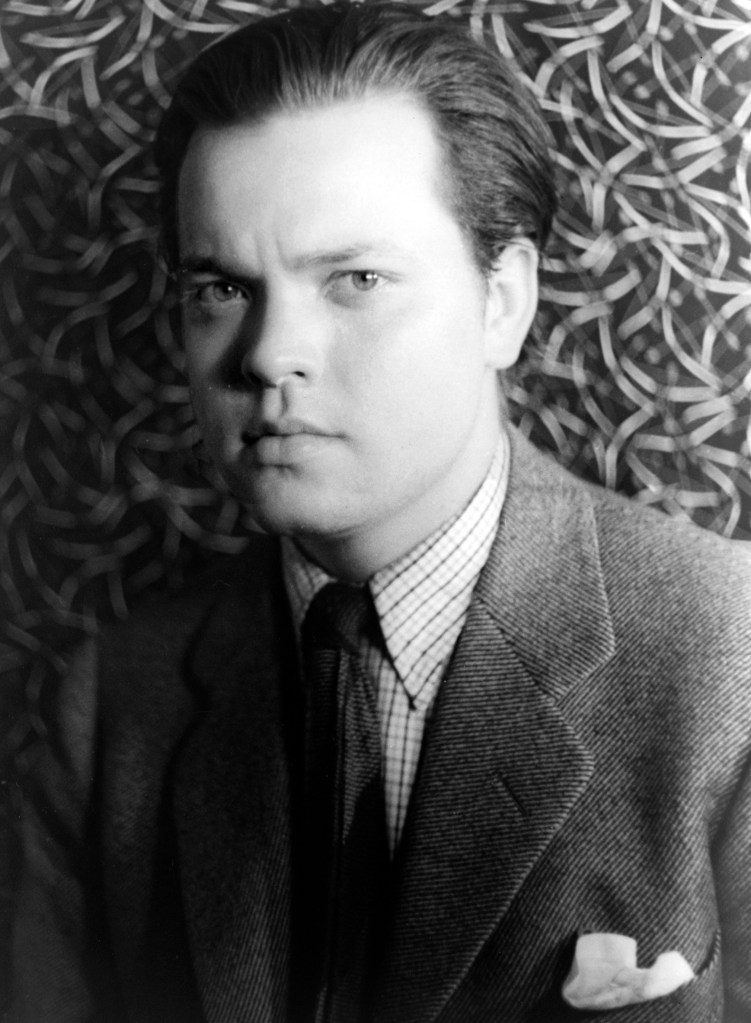


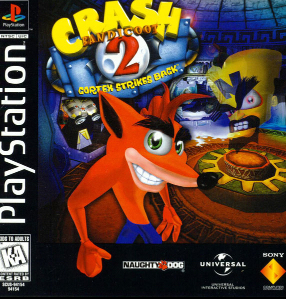

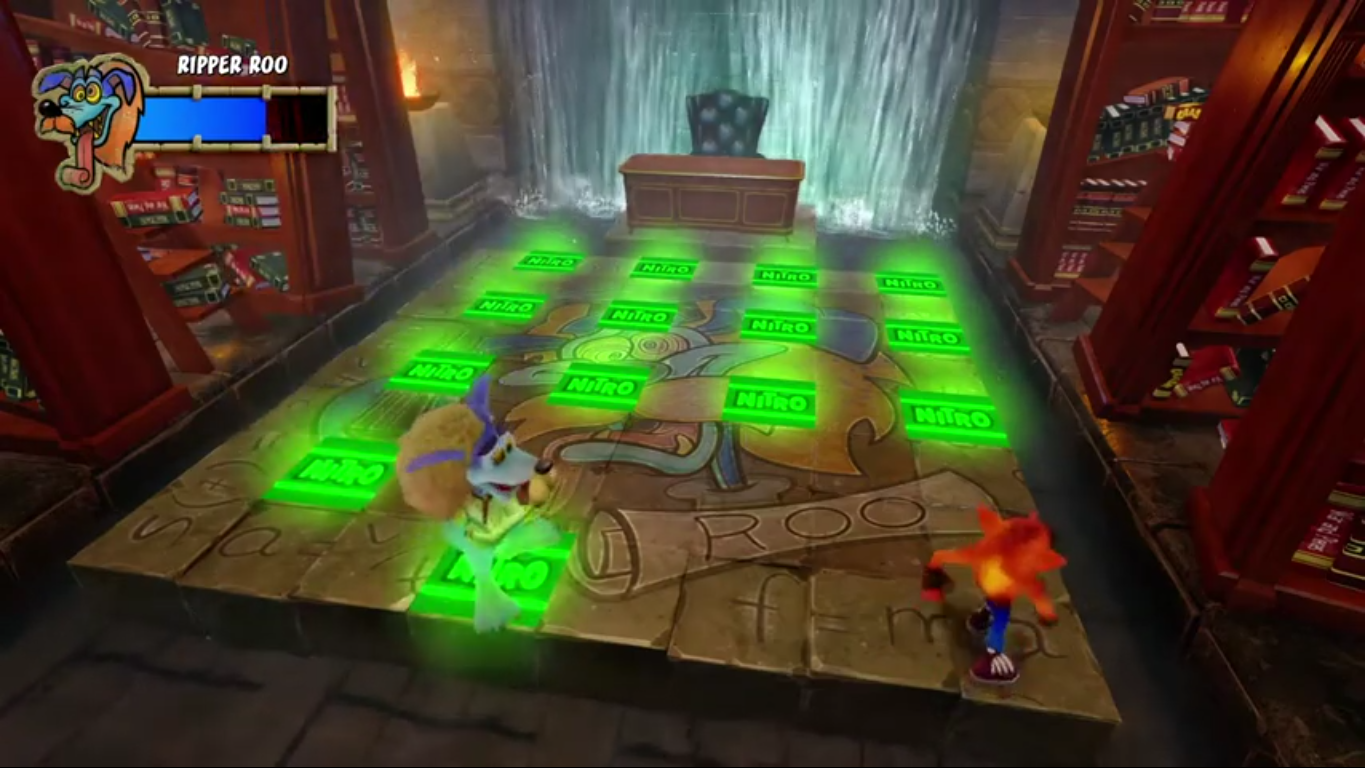


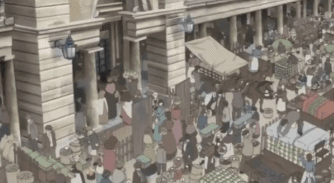
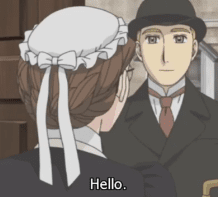





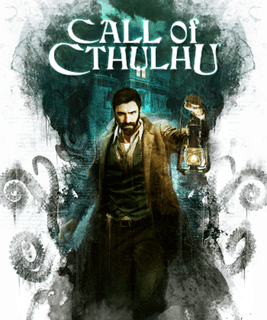


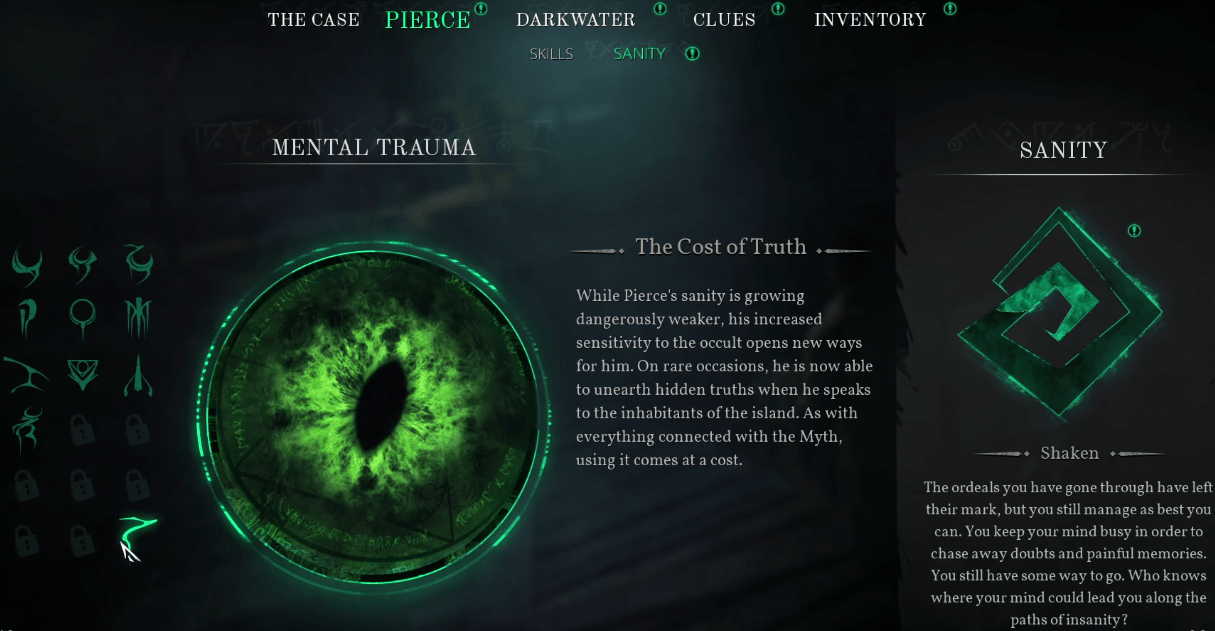

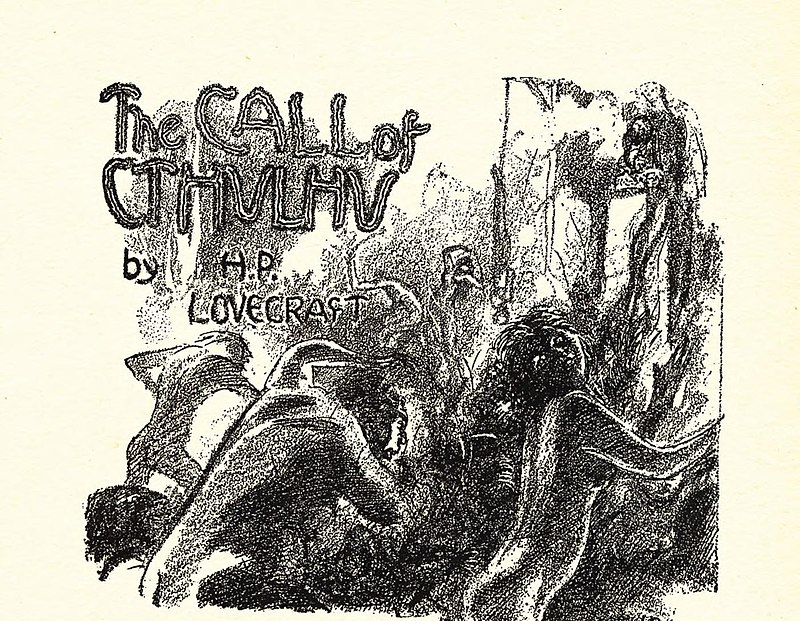


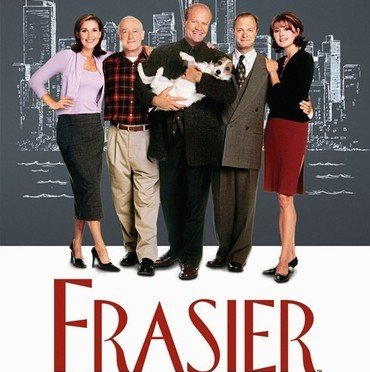


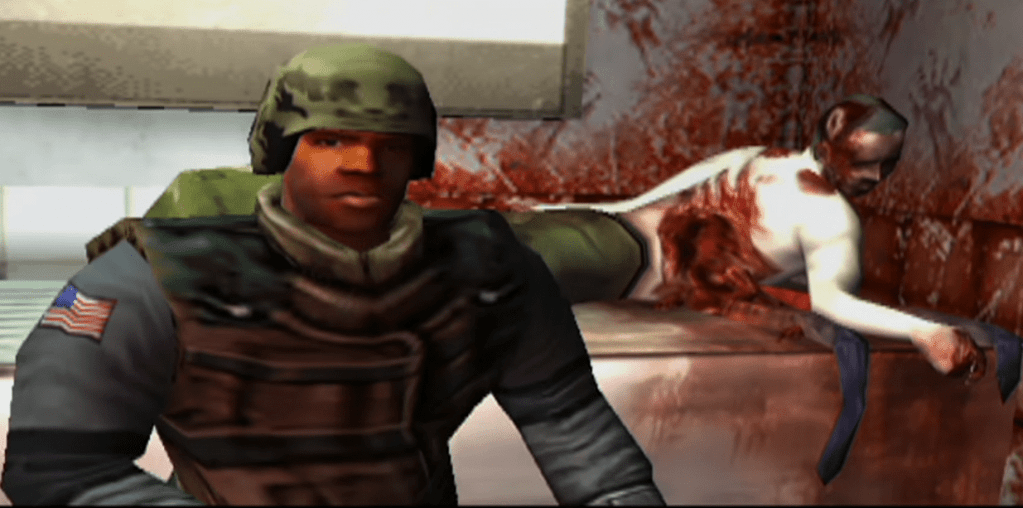

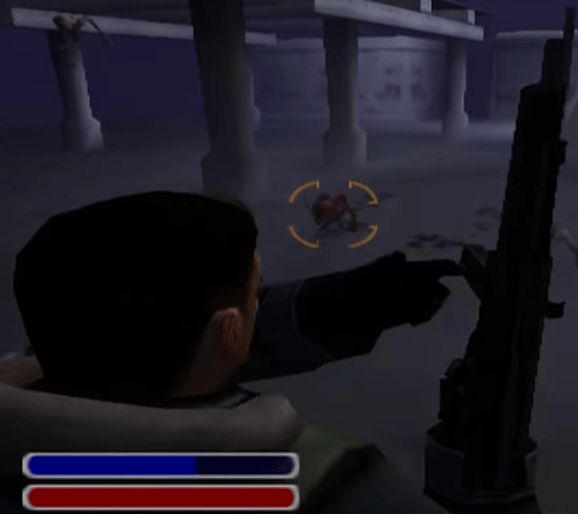
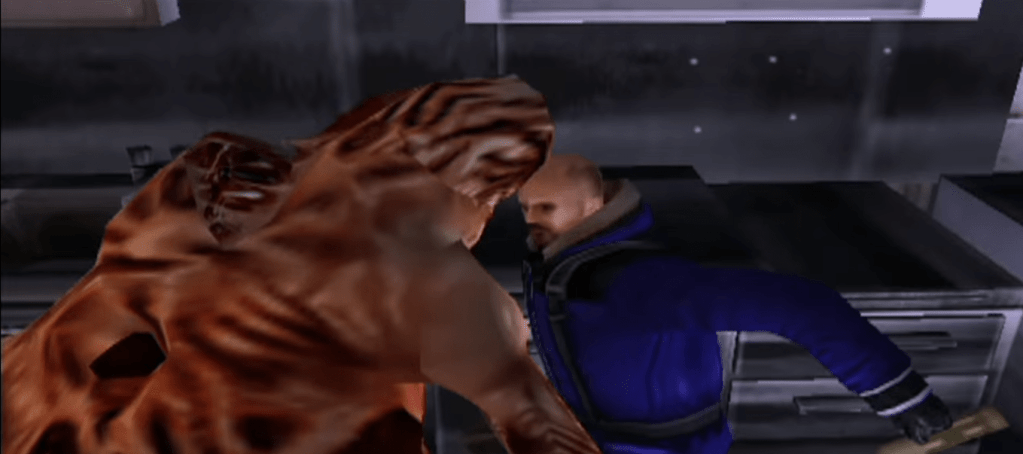
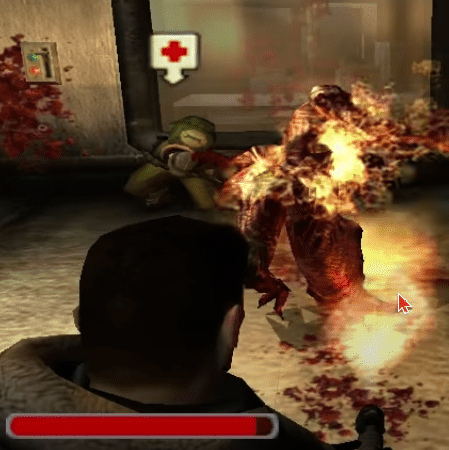


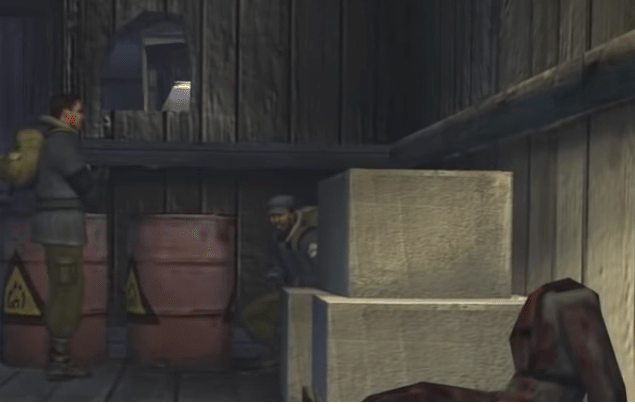


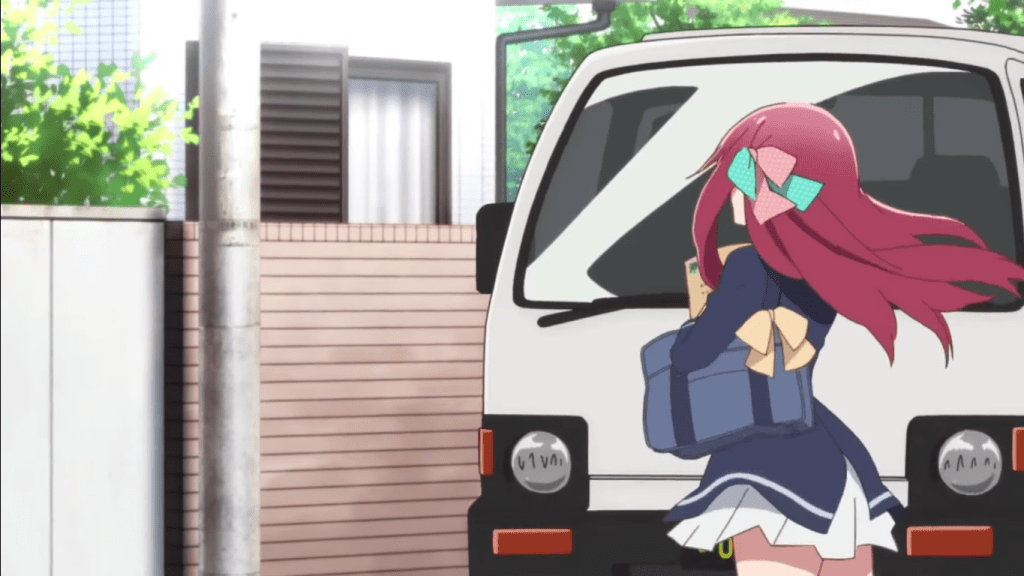
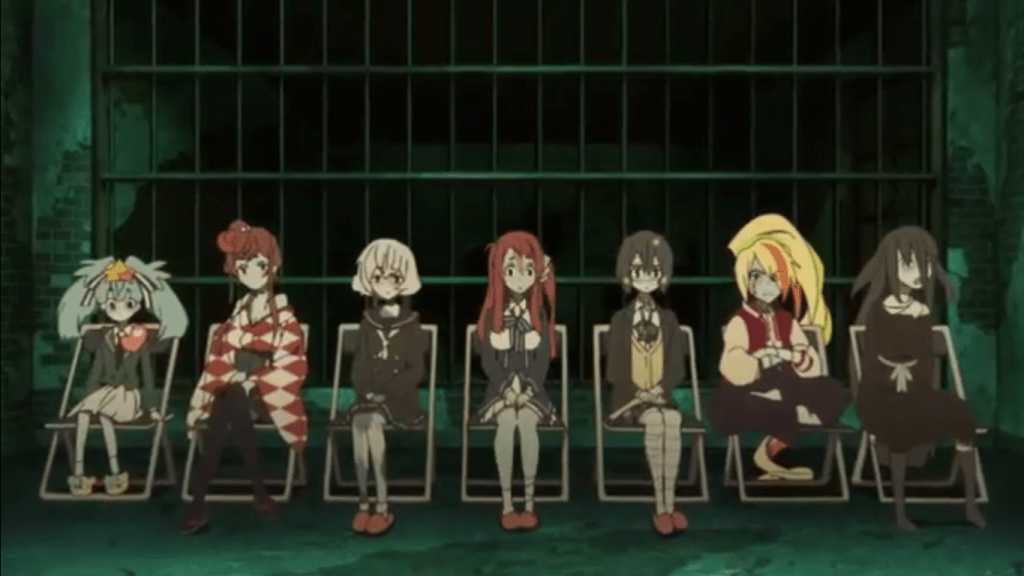


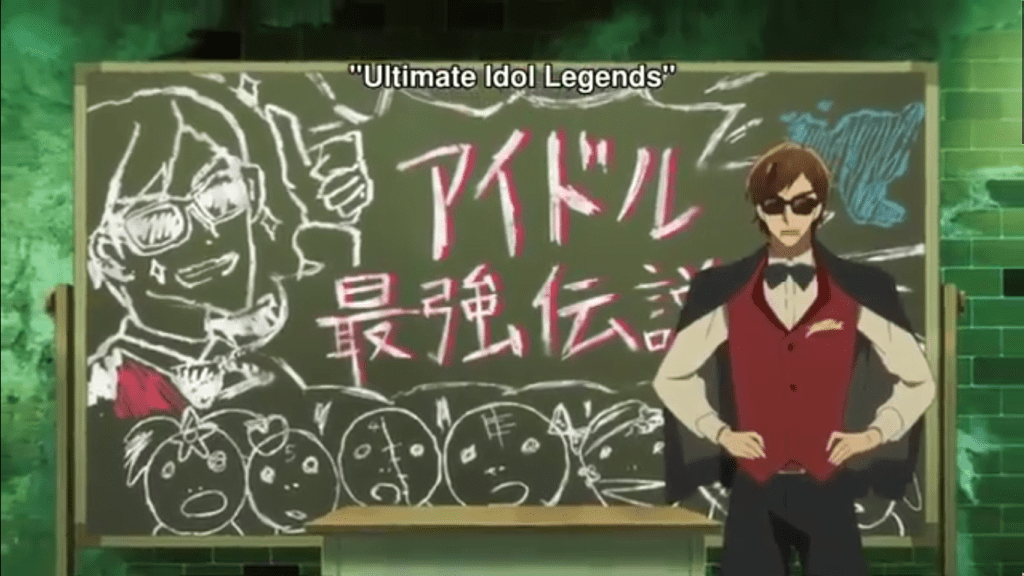


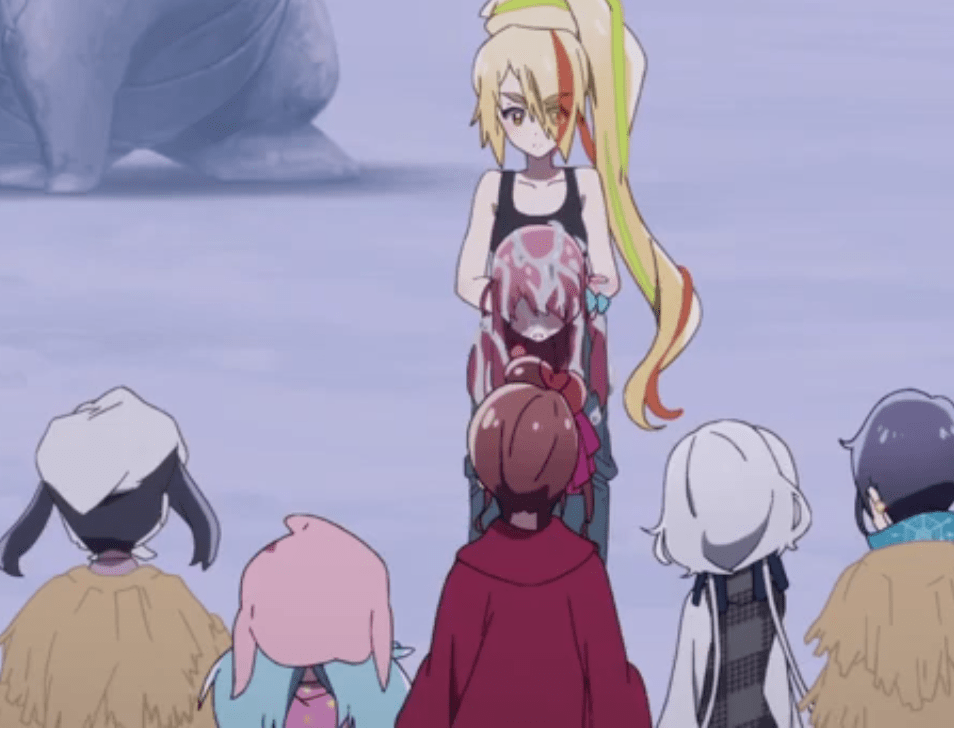


 The Demented Ferrets