Mushoku Tensei is one of the 2021 anime that has a lot of people taking about it, and for good reason. It’s an interesting show, adapted from a wealth of written media. Now having not read all of the written material, I can only speak to some of it. Today though I’m going to focus on it’s anime adaptation, and the problems that are creeping to the surface because of its vast popularity.
The written media for Mushoku Tensei has been around since 2012, that’s why the series is so popular. It not exactly a huge stretch to say that this series would generally appeal to a far wider audience than most anime out there.
You see, this series contains actual full length novels, light novels, manga, an audio drama, and as of 2021 it now has an anime and a video game as well.
So, what’s the problem then? Well, you could call this series one of the grandfathers of the Isekai genre.
In these types of stories, characters will teleport into a different world in one way, shape, or form. Generally a character dies and is reincarnated, or they’re sucked into the world through some other event. Then that character lives in the newfound world after that.
The entire crux of these stories is the characters and the world they now reside in. Key plot points include living among the peoples that reside in these new lands, learning the laws and the way the world works.
Isekai anime all have a gimmick of some nature, and to be fair it’s not a genre I actively dive into regularly. This is mostly because the industry is flooded with them. Since the beginning of anime itself, we’ve all seen the series where a character goes to some mystical place, or our titular hero gets trapped in a video game. It’s standard, it’s common, and even before the term “Isekai” became part of the anime narrative, it has always been around.
Even anime that aren’t true Isekai can still feel like one. Think of anime such as Inuyasha, for prime example. I wouldn’t call it a true Isekai, but it does have many trappings of the genre.
If you want a good example of a great Isekai in the genre, look no further than “That Time I Got Reincarnated as a Slime“. The manga and anime are both solid, and it also has novels and light novels. That is the reason I use this example. The wealth of contented provided is very similar.
When it comes to written media, Mushoku Tensei is the modern-day juggernaut for the Isekai genre. Prior to this series, Isekai were more fluid in it’s nature. What we considered Isekai was also vastly different.
This series established most of the tropes we know today. Predominately, this includes the concept of reincarnation into a new world, our favorite murderous device often named by fans as “truck-kun”, and the asshole protagonist that requires a new lease on life.
Does any of that sound like something you’ve seen before? Well, that is the ultimate issue for us anime fans.
The series took too long to be animated. More creative Isekai anime out there are using these established tropes. Some of them are actually doing it better than Mushoku Tensei ever could. This is simply because they had the benefit of learning from their grandfathers of the genre.
Thanks to these improvements on the genre, we’re getting some decent content. “That Time I Got Reincarnated as a Slime” is the primary example I use. However, there are other solid choices out there if this is a genre you really enjoy. I just don’t, so it’s hard for me to really decipher what ones are best to list.
Sadly, Mushoku Tensei cannot live up to it’s competitors. If you’re a fan of the series already, it’s probably right up your ally and on your “to watch” list. For the rest of us it’s a “been there, done that, seen this before” type of show.
This doesn’t make Mushoku Tensei bad, not even in the slightest. It just means that despite the pretty visuals and decent voice acting, it feels dated. It’s hard for me to suggest this anime simply because of that, but there is a reason to watch it.
As I said before, Mushoku Tensei is one of the founding grandfathers of the genre. It would be ridiculous to overlook this series simply because any fan of this genre should watch it at least once. It is important to understand how this genre came to be what it is today, and this series allows you to do that.
The anime adaptation is still ongoing, so this isn’t a review on its quality. This is just a firmly placed suggestion. If you enjoy Isekai anime, you owe it to yourself to watch this series.
I know that I am enjoying it despite the dated feel, and I hope you will too.
This has been Kernook of The Demented Ferrets, where stupidity is at its finest and level grinds are par for the course. I’ll see you next time.
You can help support us through PayPal or Patreon.
With your contributions, you make our efforts possible. Thank you for supporting our content. Patreon supporters receive access into our official Discord server, and a few other perks depending on the tier. If you don’t care for Patreon, and don’t care about perks, you can always support us through PayPal too… links below.
Those who join via Patreon get special perks, such as extra content, quicker updates, and more.
Hey everyone, it’s Kern here. Before I begin, I want to make it clear that I will be discussing The Promised Neverland anime at length. I will not diving deep into the manga on this review. I will be mentioning it, but not actually reviewing it. The written media for this series is amazing, and quite frankly it needs it’s own spot here on the blog.
The reason the anime for this series is so good in season one isn’t the same reason why the manga is also wonderful. They are very different ways to enjoy this story, and it would diminish both works to compare them in a single review.
This is not an anime made for young viewers, and thus some of the themes depicted in the series might be considered disturbing. That is the nature of this anime, you have been warned.
Like Anime and Gaming content? Check out our other platforms and support our content:
The Promised Neverland is a story that caters to older viewers who enjoy darker tales. It isn’t squeamish about cutting to the core of emotional uncertainty. It doesn’t pull any punches either. This anime is terrifying due to the nature of its implications.
What makes this series so good, is that it doesn’t try to craft a narrative too big for its own good. With tightly packed pacing, it manages not to feel rushed. The themes are dark, but I see no reason to sugar coat things. The anime isn’t subtle about it, so I won’t be either.
The majority of this story revolves around children being raised to be consumed like cattle. This is contained in a society that no longer runs on the strength of mankind alone. Intelligent demons inhabit the world, and they eat humans. If that bothers you, don’t watch this series.
Anime like this one has the gift of animation on its side. If this were a live action, I wouldn’t be able to watch it. The show would border on the line of too inhumane, and absolutely revolting. The fact that it is an anime lends a certain power to its creation, and more accessibility because of it.
After all, not everyone reads manga. There are anime only fans out there, and this first season offers plenty to enjoy for those who like this sort of unsettling story.
That being said, if you do read manga, don’t bypass this one. The Promised Neverland has one of the richest experiences in the written media that I’ve ever come across.
The Story: Removing Childlike Innocence
The general idea of the plot is as trite as you’d expect it to be, if you went by the simple plot synopses. This anime is far from trite and doesn’t much care who it offends as it spins its twisted tale of an orphanage gone wrong.
Basically these seemingly orphaned children are raised at an isolated and incredibly idyllic facility. This place is known as the “Grace Field House”. Unfortunately a few of the smart children discover the secret of this orphanage. It’s not a paradise, it’s hell on earth. With demons running society, their sinister reason for existence soon becomes clear.
These children are raised for purpose of becoming meals, no better than pigs to the slaughter. They’re killed to become food.
This is what they were raised for. Terrified of this, the children of the orphanage rally together in order to escape. This is not made easy. Their caretaker, who they call “Mama”, grew up in a home not unlike this one. She knows all of their tricks, and it becomes a battle of wits to see if the children can escape successfully or not.
Ultimately this the main drive of the story, at least so far as the first season is concerned. The entire thing is wrapped in beautiful animation. The atmospheric soundtrack truly distinguishes itself fittingly in the world of the show. If you’re an anime only fan, the show won’t do you wrong.
The series is directed by Mamoru Kanbe and written by Toshiya Ono during season one. You can clearly see the love and care poured into the series by the team at ColverWorks.
I know many find the manga to be far superior when it comes to the story and how it plays out. However, I’d beg to disagree. It comes down for a simple question for me. Ju
It’s certainly a psychologically bent show, but in what way is it best enjoyed? This brings me to the crux of many disputes regarding the anime. Do you want it to be a horror or a thriller?
The best choices really comes down to that.
Horror or Thriller?
The Promised Neverland is both of these things, but when it comes to the anime it is far more a thriller than it’s manga counterpart. The manga is more terrifying, each turn of the page offers a better shock value.
I couldn’t possibly bring myself to care about that, but I can see the appeal. If you want The Promised Neverland to feel more like a true horror story, you should read the written media. If you want it to feel more like a suspenseful thriller, the anime is superior in every way.
The anime itself takes a different approach. It isn’t trying to shock or awe you with every narrative twist and turn. Rather, it places these plot twists in front of you and asks you to absorb them quickly. Instead of initial shock, you’re expected to keep up with the anime. You don’t have much time to analyze every tiny detail on screen.
The manga asks you to savor every moment, the anime pushes you along for the ride. In that way, viewers are more akin to the children trapped in the orphanage.
For the characters, there is no time to over think every little detail, and outwitting their “Mama” becomes a constant chore. It means the difference between life and death.
For the viewer, the anime offers feeling of urgency that is controlled and contained as every second ticks by.
Written media just can’t promise to provide the same inherent urgency on rails. That all comes down to the pacing of a reader. Faster readers will blow through the content very quickly, and if you’re like me that’s a downfall.
Therefore, the anime experience is one I find far more enjoyable. I get more out of the vocal acting, musical composition, animation style and general pacing of the show than I did from the horror aspect of the manga itself.
Now let me be clear, when it comes to story line, that is entirely a different issue. As of season two the story-line diverts heavily. It has split the fandom in ways season one never did. If you want the full manga story-line, you will not find that in the anime as of season two. You must read the written media to fully enjoy that side of the story.
This is why I must also separate the reviews for this series. Season two is still ongoing, and that’s a discussion for another time.
For me, the characters are the worst part of the series in absolutely every way. Characters are handled a little bit better in the written media, but not much. The anime has character failings in spades, and I can easily explain why.
There are many characters in this anime. During season one, most of them are under the age of eleven.
There are only two adults that have any reasonable merit in season one, and both of them are villains. The rest are demons that rarely have screen time at all. What this does is put the viewer into the mind of childish fears and ambitions to resist against authority.
Yet, this series was not made for children. Therefore, typically it would be hard to relate to them as an adult viewer. Only a story appealing to a true sense of danger would give a viewer something to latch onto.
You either have a concept of empathy and recall what childhood was like, or you don’t. You must suspend your disbelief that these young kids could outsmart and outmatch their greatest danger in season one.
Mama Isabella was groomed for her position at the orphanage. She was militantly raised to be superior in every way.
All in all, there’s two choices. Allow the kids to win the day, or let them all die and become demon chow. We know the show isn’t going to murder them all off, so plot armor it is!
This is just another tired old trope to be honest. I find it a little lazy. Especially when it comes to the way certain events play out. Mama Isabella can cripple these children thoughtlessly, and flat out does do that to one of them.
The whole idea behind the “Grace Field House” is that children are the most flavorful and delicious when they’re raised in a happy environment. Free of extensive emotional turmoil. This house provides some of the best human meat available.
Well, that just craps all over the idea that you could break a little girl’s shin, now doesn’t it?
By the time the children are ready to escape, they’ve seen enough of what hell on earth looks like. With that kind of emotional upset, they certainly wouldn’t taste very good. They’d likely be no better than scrap meat at this point. This is what I mean by you just have to suspend disbelief.
Other than the narrative of the world itself, you’d simply watch the show for the sake of hoping the children would be okay. Frankly, that’s a piss-poor narrative to strive for. After all, the main three children aren’t exactly easy to relate to. I doubt many of us were the brightest, most athletic, and top of our class as children.
Thankfully, the anime seems to understand this.
The story appeals to a near parental urge to hope these children beat the odds, but this is still a dystopia and the viewer knows it. Connecting with the characters becomes even more difficult if you think they’ll end up dead and turned into food.
So, to me the characters are flat out the weakest thing this series has to offer. Are they awful? No, not at all. However, they aren’t in the least bit relatable either.
We see this in anime all the time though, and it’s just the way things go. It’s not a deal breaker, it’s just a fact of this type of story.
In Conclusion
The Promised Neverland is a good series, but it is not a masterpiece. I love it, and I do highly suggest it to fan of darker storytelling. It’s great for what it is, but you’ll have to forgive it for what it isn’t.
That said, there is a lot of baggage that you see whenever you pull off the “fan goggles” and really look at the series maturely. It doesn’t stand up to scrutiny, like other anime of its type.
The series has flaws, gaping holes in logic, and a habit of being so far up it’s own ass with its narrative, that it doesn’t see any of it. It’s trying to tell a mature story, but in some ways it’s so childish in its handling of serious situations that it feels like an “edge-lord” tried to write it.
That being said, it’s still vastly entertaining. I know I sound almost ruthless in my critiques, but that comes from watching way too many anime in my life and knowing what I like.
I like The Promised Neverland, and it is completely worth your time to give it a try. However, it won’t ever be an anime that sits proudly on my open shelf. Nope, it’s in an old VHS/DVD cabinet. That’s where I store the majority of the shows that I don’t re-watch very often and have no desire to display.
A word of advice. If you’re going to watch this series, don’t look for any real depth. The character moments can be contrived at times, and others they’re just flat out stupid.
This is a pop-corn anime, philological horror or not. For me, that’s all it can ever be. The thing is, I’m perfectly fine with that. I enjoy this series, and I know others will too.
This has been Kernook of The Demented Ferrets, where stupidity is at its finest and level grinds are par for the course. I’ll see you next time.
You can help support us through PayPal or Patreon.
With your contributions, you make our efforts possible. Thank you for supporting our content. Patreon supporters receive access into our official Discord server, and a few other perks depending on the tier. If you don’t care for Patreon, and don’t care about perks, you can always support us through PayPal too… links below.
Those who join via Patreon get special perks, such as extra content, quicker updates, and more.
Anime is a very diverse media, I will always defend its ability to offer robust and diverse stories. Particularly ones that fans would never see in other media. That said, most anime has a lot of tropes that do not age well as fans get older.
There doesn’t seem to be any end to the school life, battle, magic and high fantasy styles of anime out there. Those are all well and good. I love anime like My Hero Academia, Attack On Titan, and Ancient Magus Bride. That being said, I can only take so much before my brain begins to melt.
Sometimes I want anime closer to the live action shows I like. Series like Golden Girls, Fraser and N.C.I.S. just to name a few.
In a sea of releases aimed at children, teens and young adults sometimes it’s hard to see the true wealth of content the medium can offer to older viewers. Adult fans aren’t inherently creeps or mouth breathers. No, we don’t all fail to have a social life. No, anime is not just for immature viewers…
Gone are days of endless absolute crap like Green Green (don’t look that up, seriously) and shows like it. Yes they’re a thing, no they are not the only thing.
Thankfully this narrow-minded view has begun to change, but we have a long way to go. Unfortunately, there’s just one small issue holding this movement back a bit.
Like Anime and Gaming content? Check out our other platforms and support our content:
No, not all anime is strictly deviant in some way, shape, or form. Yet, this is a mindset that continues to plague the media. Many believe anime cannot possibly be something mature, without also being crammed full of things you’d be ashamed to admit being interested it.
Nine times out of ten when society (read: non-anime fans) think of an anime aimed at older viewers, they think of things that are somehow disturbing, raunchy, super violent, or just flat out pornographic. That’s the stigma, but it’s not the whole truth.
It’s drives me crazy that we are still bashing our faces against this stigma in 2021, but here we are. Now, as a thirty-one year old anime, I take issue with the logic that all anime aimed at older viewers needs to be questionable. It’s just not true.
I try to combat this stigma by educating people about the full scope that anime has to offer. With time, I’ve even had success with it. It all comes down to finding the right series to expose a non-anime fan to, and hope they take to it. At the very least, hope they see beyond their own narrow view of the topic.
There are some perfectly serviceable options for older viewers that just want characters to be near their own age, living in a down to earth society for once.
So, this is just a small list of possible anime to expose a non-anime fan to the medium. These are series that keep the tropes to a minimum and the idiocy factor fairly low.
You can expose them to that sort of thing on your own time. These are what I think of as gateway anime for anyone over the age of twenty-five. I’d like to consider these as ice-breakers to the medium, not necessarily anime that follow hard and fast rules of their respective genres at large.
You are not going to find anime like Akira and Black Lagoon on this list for the reasons above. You’re not goin to find the latest anime line-up either.
This grouping of suggestions wasn’t made for a difficult fan. It was made for a non-fan entering into the medium as an adult. This assumes that this non-fan has no desire for the obvious mega-hits that most of us would typically suggest due to the stigma’s mentioned above.
This list is in no particular order. That’s because each of them stand out based on what a person may be looking for. So let’s just dive into this, shall we?
Space Brothers: For Space Fans
Space Brothers is one the the absolute best option out there in my personal opinion. Two brothers aspire to be astronauts. One brother achieves his dream. The other decides to follow in his footsteps. This shows a life of an aspiring astronaut and the trials and tribulations he goes through.
Space Brothers is a perfect starter for a science fiction fan that wouldn’t mesh well with the idea of mecha anime. My father -who is in his seventies and absolute hates anime- has watched and enjoyed it. The entry point for viewing this series is to simply like the idea of going to space. It is accessible to non-fans that may not comprehend the space opera trope often found in anime.
I’ve actually done a brief overview video and blog post about this series, and I’d suggest going to look at that if you’d like to know more.
To give you the general idea, though I think this is a very good anime for a lot of people. To me Space Brothers stands as a “catch-all” anime for me. If I don’t know what anime to pick out for a new viewer, I always go with Space Brothers. In general, it is very accessible for an american viewer because the idea of going to outer space is part of our mass media to begin with.
It isn’t a far cry from the media we already consume. The fact that it gives a glimpse into the space program for its time and aspires to be realistic in the story it attempts to tell helps a lot. I’d go so far as to say that the series goes above and beyond what it takes to endear its place on this list for even non-anime fans.
Alternatively, you could always try Planetes since it is a shorter series. It is less down to earth in nature too, though. People have colonized on the moon, and this focuses on life within that society. The hero in this anime cleans space junk for a living.
Bartender: For Viewers of Dry Media
This is perfect for your bar loving companions in search of something thoughtful and slow moving. Bartender is a heartfelt drama at the end of the day. It chooses to dig down into the soul of personal struggles. I have a full review here, in the event you’d like more information.
Bartender is perhaps one of the best series for a character study out there. Or rather, it’s the one least likely to confuse a viewer unfamiliar with anime tropes. Unfortunately I don’t feel there’s a good alternative for Bartender, because it isn’t a “typical” anime to even begin with. It is certainly more sophisticated and refined than you would usually see in the anime medium.
Sweetness and Lightning: For Parents and Families
Sweetness and Lightning is one of the best stories of parenthood and family bonds to ever grace the anime world. If you’re in search of a typical sitcom type of show, this is it. Sweetness and Lightning is also very family friendly too, meaning children could watch with with their parents.
The single father is a widower. He is incredibly relatable to anyone who has needed to raise a child on their own. It won’t just be men that relate to him, either. Women can easily imprint upon his struggles, because they aren’t inherently based around fatherhood itself, but parenthood and the loss of a spouse in general. It isn’t a heavy series, but the themes have enough substance to resonate with older viewers. I have a review for this series as well, it can be found here.
Alternatively, there is Usagi Drop. This is a story about fatherhood and family, though this one is a bit more serious in tone. This is about a man who takes in a little girl, raising her as his daughter. The anime is absolutely wonderful. Just ignore the written media.
So, there you go. This selection of gateway anime should serve you well for older viewers. None of them are particularly recent, but they’ve all stood the test of time. Space Brothers most of all in that regard. There are countless other anime of course, but this post is getting long and diving deeper brings us into the complicated mess of sub genres and very specific tastes.
I will give more recommendations one day based on other key interests, but the down to earth anime needed to come first.
This is not a topic I will be done with any time soon, because there is plenty of gateway anime out there fully and completely serviceable to older viewers.
This has been Kernook of The Demented Ferrets, where stupidity is at its finest and level grinds are par for the course. I’ll see you next time.
You can help support us through PayPal or Patreon.
With your contributions, you make our efforts possible. Thank you for supporting our content. Patreon supporters receive access into our official Discord server, and a few other perks depending on the tier. If you don’t care for Patreon, and don’t care about perks, you can always support us through PayPal too… links below.
Those who join via Patreon get special perks, such as extra content, quicker updates, and more.
Before I begin this post, please understand that today I am reviewing an anime that contains a bar and the one thing that usually happens in bars. Namely drinking… lots of drinking… hence this warning up top…please do not ignore this warning.
I do not advocate addictive and damaging behavior that sometimes revolves around drinking and drugs Therefore, if you are an alcoholic that struggles with sobriety, or you are easily triggered into wanting a drink based on the content you consume, please bypass this post. Sobriety is not always an easy thing to commit to, so every day sober is a day of victory.
You have now been warned. If you read beyond this point, you will be reading a review of Bartender an anime based around a bar and the lonely souls that wander in.
Like Anime and Gaming content? Check out our other platforms and support our content:
Bartender stands out as a refined slice-of-life series for older viewers. It isn’t your standard formula by far, and it doesn’t pretend to be.
It is soft and sophisticated without being obnoxious. Themes are sometimes vague, but not needlessly obtuse. Character stories are personal and often layered in simple but deep symbolism .Ideally a viewer would take the time to savor this series. It’s only eleven episodes long.
So, why do I give this show such high praise? Simple, I enjoy anime that doesn’t try to cram itself into the typical mold. Bartender stick out to me as an anime that doesn’t feel like an anime. It certainly is an anime, to be sure. Still, it lacks a lot of the mindless slapstick humor and overblown gags that make anime what it is.
Even anime aimed at older viewers can take a nosedive into childishness on occasion. While that can be fun, that can also get old fast. This series doesn’t do that. Bartender understands that it’s trying to cater to a more refined and thoughtful audience. That’s strictly what it does.
I highly suggest watching this series if you haven’t. There isn’t much conversation around this series, and since it’s a bit older it seems to have gotten buried under a flood of other anime over the years.
This is a crying shame to me, because Bartender is without a doubt a solid entry for an older viewer who doesn’t know what anime is, or may even be adverse to it. This is easily a gateway anime for someone over the age of twenty-five because it lacks many of the overblown tropes you often see in the medium.
It’s perfect for a viewer that has grown tired of the anime that continue clogging the typical seasonal line-up. Experienced anime fans may not have heard of this gem. Non-anime fans may be drawn to its down-to-earth representation of the characters and its story driven focus.
So with all of this said, let’s begin the review.
A Bar That Speaks to The Soul
Bartender first began as a manga in 2004, written by Araki Joh and illustrated by Kenji Nagatomo. Now I won’t be speaking about the manga here, but as you can clearly see, written media is available for this series if you care to look for it.
Now, I will say this; the manga has clear story arcs. The anime is far more episodic in nature. Although it still contains vignettes about one or more of the characters, it doesn’t have as clear a structure or pacing as the written media.
There is also a live-action drama of Bartender that was released in 2010, but it is a bit harder to find. That said, if you’re trying to get someone who is completely opposed to anime and manga into the series, the live action is the perfect entry point.
The anime released in 2011, directed by Masaki Watanabe, and written by Yasuhiro Imagawa.
No matter what form you choose to enjoy the series in, the basic idea is still the same. There is a bar hidden deep in the alleys of the Ginza district. The bar’s name is Eden Hall. This quiet and lonely little bar is run by Ryuu Sasakura.
Ryuu is thought of as a bar-tending prodigy, widely acclaimed to the point his name precedes him. Rumor has it that he mixes the most incredible and prolific cocktails that anyone has ever tasted.
There’s just one little catch. The bar isn’t open to just anyone. Eden Hall chooses who happens to find it, and who enters its doors.
Customers from all walks of life and different backgrounds come into this bar seeking answers to life’s problems. Ryuu, being the prodigy he is, always knows the ideal cocktail to serve to his guests. This combined with his wisdom allows him to console and guide each afflicted soul that enters Eden Hall.
Knowing this, you can see how the series might come off as dry or bland in some places. You’d be right. It’s intended to be a soft-spoken series. Full of careful contemplation and a plenty of soul searching.
The entire series in wrapped up in wonderful animations and lovely music that can stand on its own merits. Even now, it stands the test of time, no question about that.
A Few Caveats
Number one, the themes may pose a problem. The general ethos of the anime can be thought of as problematic. The general idea is that the right drink, at the right time, is the perfect way to start an earnest inward conversation.
In other words, when a character drinks, they can find the answer to their problems within themselves. This frames the beverage as a looking-glass of sorts. I gave a warning above, but I’m going to cram it here too. If you have once had a drinking problem, or still do, please consider bypassing this show.
Each episode features cocktails that are made with love and care by Ryuu to serve to his guest. They’re poured, mixed, and served in a way that is pleasing to the eye. Given how tempting the animation makes these beverages look, a viewer may end up wanting something similar as well.
It’s very pretty to look at. The animation is stunning, but that’s both a bonus and a drawback when your talking about substances and ways to possibly abuse them.
Characters that come into the series are the sort that have baggage. They talk about their problems, they reflect on the issues at hand, and then have a drink over it. It’s not always portrayed as healthy, either.
The second issue is that it caters to a very specific type of viewer. It is calm, quiet, and methodical. If that isn’t the type of series you like, you’ll get bored fast. It is full to bursting with careful reflection and character stories that linger in subtle ways. That being said, this isn’t an anime about mind games, and there are no plot twists that leave your jaw hanging on the floor. That’s just not the sort of anime this is.
Final Thoughts
Bartender is without question one of the best anime you can find that isn’t on the beaten path. It’s stunning for its time visually, and each piece of music is just as carefully crafted as the series itself. A lot of love and care went into this show.
I find that Bartender is not necessarily for fans that want mystery and intrigue. Rather, the show is best suited to someone who enjoys a good character study without being mired down in endless drivel. Overall, due to the episodic nature of the series, no character lingers too long to outstay their welcome at Eden Hall. Ryuu is certainly entertaining on screen as well, rounding out each episode in a way I found fitting.
So, my conclusion is that you should watch the series if you can. Just be aware of the themes. Do yourself a favor and don’t try to binge it in one sitting. That doesn’t bode well. I’ve tried, and I love the series but even I can’t do it.
This has been Kernook of The Demented Ferrets, where stupidity is at its finest and level grinds are par for the course. I’ll see you next time.
You can help support us through PayPal or Patreon.
With your contributions, you make our efforts possible. Thank you for supporting our content. Patreon supporters receive access into our official Discord server, and a few other perks depending on the tier. If you don’t care for Patreon, and don’t care about perks, you can always support us through PayPal too… links below.
Those who join via Patreon get special perks, such as extra content, quicker updates, and more.
Hello everyone, Kernook here. In honor of the Superbowl here in the states I thought that it would be nice to discuss a rugby anime today. This one happens to be called All Out.
Now typically I don’t watch many sports anime, although the ones I do watch tend to be a few of my favorites. From Yuri on Ice and Ballroom e Youkoso, to Baby Steps and Megalo Box, I’ve seen my fair share of the sports anime medium. Not only one type of sport anime, but the wide range of them, including competitive dance.
Yes… even competitive dancing is a sport, believe it.
So, why am I suggesting All Out when objectively there are far better options out there for the rugby sport? Well, here’s the thing, the better ones are only better for anime fans. I wanted to suggest something that could also apply to regular sports fans too.
Have a relative or a friend who loves rugby? Are they reluctant to watch anime? Well, that’s the demographic that’s perfect for this anime.
I don’t suggest All Out because it’s a favorite of mine. Actually, it’s far from a favorite for me. That’s because I am not a hardcore rugby fan. In general find other sports more enjoyable.
Believe it or not though, I do enjoy this anime enough to have watched it several times. That’s why I can suggest it to you now.
As a Madhouse production made in 2016, it ticks all of the basic boxes of a typical sports anime without being an eyesore. It’s old enough to have fallen out of the discussion among anime fans, without being so old as to look like crap.
This anime is a great “catch-all” of sorts. If you like sports anime, or rugby in general, you’ll probably like this. So with that let’s get into my top three reasons to watch it.
#1. It’s Great for Beginners.
For those of you who don’t typically watch anime, this is a starter for you. This anime has all the trappings of your typical school life anime with sports mixed into it.
It has a subtitled version and a dubbed version. If you don’t want to read subtitles, you don’t have to. It also lacks a lot of the maddening tropes that are in other types of sports anime. It’s perfect for a beginners to the medium.
If you like testosterone ridden victories, action, and the highs and lows that comes with sports, All Out has it in spades. The anime is bursting with everything that you’d expect from any sport such as Rugby.
This is an anime, but it doesn’t feel like it panders only to anime fans.
Like Anime and Gaming content? Check out our other platforms and support our content:
All Out features a large cast, as expected of sports anime. You might not get to know some characters as well as you might like, and others are perhaps hogging screen time every now and then. That being said, you’ll find someone to enjoy.
In general the characters are mostly what you’d expect of them and the struggles in the show are too. As a team, they have a strong chemistry, so that certainly helps to make them interesting.
They experience highs and lows with their ability to play the game and within their lives. That said, it’s never too dramatic, and never over the top. Personal story arcs align well with the themes of the show. All in all, there’s a good chance you’re going to find a character you like.
#3. The Plot
If you’re a huge fan of sports anime you’ve seen this sort of story countless times. Don’t believe me? Let me give you a synopsis and you can decide just how many times you’ve seen this set-up before.
Gion is a short guy. He’s the typical average anime protagonist. Due to his love of sports he watches a rugby match. When he does, finds out that you don’t have to be huge to be a good player. He’s invigorated by this and feels absolutely convinced that he finally found a sport he can be great at. Like most sport anime, he also drags a friend along for the ride. Obviously, he becomes part of the team. Once in the Rugby team, they train hard and aim to become national high school rugby champions.
See what I mean? It’s standard, it’s typical, but that also makes it a good choice to those who *don’t* typically watch this style of anime. It has just enough of its own heart and soul to stand out without deviating from the standard formula. Plus, the nods to the school life genre also make it an easy show to watch for non-sports fans.
Though, as with all sports anime, your enjoyment of several scenes will completely depends on if you like the sport in question. In this case, it’s rugby.
In Conclusion…
All in all, All Out is a solid choice for the reasons above. There’s probably a fair few anime fans who haven’t seen it. It’s great for beginners to the medium. The characters are enjoyable and the animation is from Madhouse, so you know it’s quality.
It’s also fairly easy to locate. Seriously, a single google search will direct you to legal streaming sites in a matter of moments. Crunchyroll and Funimation both have the series for viewing.
So that’s where I’ll leave you for today. If you need some anime sports action, give All Out a try. It’s a solid entry to the rugby fandom and honestly it’s worth a watch at least once.
This has been Kernook of The Demented Ferrets, where stupidity is at its finest and level grinds are par for the course. I’ll see you next time.
You can help support us through PayPal or Patreon.
With your contributions, you make our efforts possible. Thank you for supporting our content. Patreon supporters receive access into our official Discord server, and a few other perks depending on the tier. If you don’t care for Patreon, and don’t care about perks, you can always support us through PayPal too… links below.
Those who join via Patreon get special perks, such as extra content, quicker updates, and more.
Hey everyone, it’s Kernook here, and it’s time for an anime review. Today I’ll be talking about Perfect Blue. Before I do that, though, I’d like to discuss the director behind the work very briefly.
Thank you to our patrons for supporting our content.
Satoshi Kon was a master in directorial design. He took to his craft with a keen eye for detail. Unfortunately, he passed away in 2010, leaving behind his works of art as a legacy to the anime industry.
In brief summary, Kon’s works are noteworthy to say the least and each of them are particularly unique. Frankly, his productions are incredible, even if they aren’t exactly mainstream media.
The fact of the matter is, most of Satoshi Kon’s greatest works are way ahead of their time thematically. They challenge viewers, and often require more than a single viewing.
Satoshi Kon combines the art of anime with his ability to craft an interesting narrative. His works are often saturated with several layers of metaphor to drive his stories forward. In order to completely catch every minor detail he skillfully embeds into his works, it’s best to watch them at least twice.
In 1997, Satoshi Kon had built quite a name for himself. His reputation grew quickly. His ability to craft compelling stories gave him an edge in the anime industry. In the 90’s animation was striving to do new things, and he was just the sort of person able to utilize his skills to the fullest potential. In collaboration with the studio Madhouse, Satoshi Kon was able to direct his first feature length film; Perfect Blue.
Satoshi Kon’s First Film: Perfect Blue
Originally, Perfect Blue was a fictional novel under the name “Perfect Blue: Complete Metamorphosis” written by Yoshikazu Takeuchi.
The animated adaptation does make a few narrative changes, so keep that in mind. There is also a second novel named “Perfect Blue: Awaken from a Dream”. Both are worth a read if you love the Perfect Blue series.
As of writing this review, you can find both books on Amazon, same with the film.
Perfect Blue is a psychological drama. Its themes are heavy and introspective. It dives feet first into the darker aspects of what it means to be a Japanese idol, and the implications of that choice.
Thanks to its deep narrative and chilling atmosphere, it will be an unsettling animated movie for some viewers. This is by no means a children’s anime.
Perfect Blue was originally released in 1997, but in 2019 it was remastered. Now there is a blue-ray edition of the film as well. There is a dub and a sub of the series, and both will serve you well. Though I must admit, I do prefer the sub slightly over the dub.
Spoiler warning: From this point onward, there will be spoilers for the animated adaptation of Perfect Blue. You have been warned. This is a film you may want to watch before you see the spoilers.
Perfect Blue tells the personal story of a Japanese idol named Mima. She’s established and fairly successful, but she believes that she can do better. Therefore she decides to leave her singing career behind, choosing to become an actress instead.
Quite quickly, she manages to get a small role in a murder mystery series. Unfortunately, that’s when things start to go horribly wrong for Mima, and it’s the crux of the entire movie.
Now, there is something to be said about idol culture, and the mentalities surrounding it. Japanese idols are a strange concept to anyone unfamiliar with it. In truth, westerners don’t have a one-to-one comparison for idol culture, so can be hard to describe.
Basically, a Japanese idol is a teenage girl or a very young woman who fits into a societal mold. These girls are dressed up in cute outfits in order to sing, dance, and perform for their fans. Furthermore, idols are expected to behave in a certain way. They have plenty of rules to follow, and they don’t have a lot of personal freedom. Idols are meant to encourage and inspire their fans, maintaining a perfect image for the general public.
Perhaps the nearest comparison I could make is the old days of the Micky Mouse Clubs, but even that falls on its face because idols are usually not children. Rather, they are late teens or young adults.
A somewhat sinister fact to this is that normally these girls don’t come from prominent families. Most of the time, they’re nameless and unpopular at first, rising to stardom because that’s what idol fans like to see.
This cultivated narrative suggests to fans that anyone who tries hard enough has the chance to be an idol themselves. Perfect Blue portrays the dark side of idol this particular type of idol culture.
Mima can’t just leave her identity as an idol behind. As much as she might want to, Mima can’t escape who she was, or the image she portrayed. In a way you could say she is a slave to her fans.
One fan in particular starts retaliating when she decides to start acting. This new role takes away from her purity and innocence that an idol should portray. Due to that, things become dangerous very quickly for her. Sadly, this also trickles down to those she’s associated with.
As people in Mima’s social circle end up being murdered, Mima must learn to cope with these new dangers. To make matters worse, Mima has trouble coming to terms with her professional career.
She believes she making the right choices logically. Emotionally though, those choices aren’t fulfilling in the slightest. They just don’t excite her like she thought they would. Instead, she ends up just going through the motions of daily life, feeling almost numb to her success.
She doesn’t voice this outwardly as she much as she should, keeping it to herself. Inwardly, she feels as though she needs to live up to a certain expectation, and since she was once an idol, this is no surprise.
As Mima’s career path shifts, so does she as a person. She constantly finds herself placed in very uncomfortable circumstances . As dark realities start drifting to the surface, she struggles to find her footing as an actress.
Mima is forced to act out scenes for her television series that she isn’t comfortable with, and she attends photo shoots for magazines that contain nudity. This goes against Mima’s formerly squeaky clean idol identity. Sadly, she conforms in spite of her discomfort with it all.
As if all of this wasn’t enough, there’s one more detail to this sordid puzzle. A detail that truly makes this animated film something truly haunting.
Mima isn’t necessarily in her right mind. Instead, she begins to hallucinate. Her former idol identity manifests in front of her. This image begins teasing her, taunting her, and asking her to dive deeper into her own depression. This image begins to ask Mima if she’s living the life she really wanted for herself.
It happens more than once. Each time this happens, it’s rather disturbing, both to Mima and to us, the viewers.
The vision of her idol identity keeps appearing and toying with her at every opportunity. It’s as if Mima is slowly going mad. At one point Mima even sees her idol identity sitting in the back seat of someone’s car. A point that I’ll come back to later.
The mental spiral continues to get worse for Mima. She begins passing out during the day and waking inside her apartment. She has absolutely no recollection of how she got there. She begins to see photos uploaded to a fan site that she doesn’t recognize and she begins to question herself, feeling as though she’s losing her mind.
The most disturbing part of all of this is that the television series that Mima has been working mirrors this. It has all of the same basic story beats. This gives viewers several narratives layered with complex implication and metaphor.
As we watch Mima struggle, we’re inclined to wonder about who she is as a person. We’re brought to wonder just how much of her life is a fabrication, and how much of it is real. Viewers are encouraged to question the stability of Mima’s mind, and what she sees as reality.
Frankly, all of these contextual pieces would be terrifying on their own. However, mixed together the way that they are, it is truly unsettling in all the right ways. The themes linger long after the anime has been turned off, and that’s by design.
Like Anime and Gaming content? Check out our other platforms:
Satoshi Kon knew how to get his point across. He understood the fine lines of media, and how to make them work in his favor. He approached Perfect Blue with a firm understanding of what he wanted to do, and how to get it done.
The meticulous editing and scene changes found in this film are some of the best I’ve seen in anime. The film relies heavily on implication and juxtaposition to carry important scenes forward.
One moment, she’ll be standing over a dead body in a scene she’s acting out.
In the next, she’ll be standing in front of an audience, preparing to perform.
These scenes compare and contrast two stressful situations for Mima. She’s wearing the same expression in both moments, but one is much more horrific than the other.
As I said above, viewers are encouraged to question her sanity and what she believes to be real. This is one key scene, among many others, that truly contextualize Mima as a character.
It’s at this point I’d like to remind you of two other important scenes. One is the scene about the photos on the fan site she found. As I said above, she has no recollection of the pictures that were taken of her. However, the clothes are certainly in her closet, even if she can’t remember buying them.
The second scene is of the moment she see’s her idol identity sitting in the passenger seat of someone else’s car. She can’t deny what she saw, but even she can admit the entire idea is pure insanity on its face.
As Mima questions herself, viewers are asked to question her as well. As the concept of reality shifts around her, we begin to see that not everything is as it seems. We realize that her experiences are not trustworthy.
We can’t help but question which of the experience she’s having is the real one. Maybe only one situation is, maybe they both are, or perhaps it’s all just a fabrication of a very ill mind. This brings me to my next point…
Who exactly is Mima?
Mima’s Conflicted Identity
Throughout the film, it becomes clear that Mima isn’t being entirely honest with herself, or those around her. As I stated above, she truly struggles to find her place in life.
She’s not a happy person, at least not professionally, socially, or emotionally. She lives a very complicated life, with several facets of her personality being hidden away from the public eye.
Mima lives a double life. It may be two sides of the same coin, but that is a very isolating thing to do. We see this play out in the film.
It’s arguable that her supreme sense of isolation leads to her unhealthy mindset and warped perception of reality. It’s also arguable that she’s isolated purely because her perceptions are warped to begin with.
Viewers will never truly know the answer, it’s left strictly up to interpretation.
Mima is rather lonely in the privacy of her own apartment. Meanwhile, her idol persona is outgoing and charismatic. Lastly, her actress persona is someplace in the middle of the other two.
These conflicting identities lead her to a crisis of sorts. At times, it seems as though the idol personality within her is trying to break lose. It seems to gain a personality of its own. The way it seems to harass her is another question in and of itself.
Are these her own personal thoughts of self hatred given form? Or is the idol within her becoming it’s own split off personality, separate from Mima as a person? Or is she simply a ghost of who Mima once was?
Once again, the answer is not so clear. While it’s true this isn’t likely a purgatory of sorts, the trials placed in front of Mima are no less troubling.
Most of what viewers see is through the eyes of Mima, and what she goes through in daily life. With these many personas in constant conflict, her personal identity gets lost in the shuffle.
It’s anyone’s guess. That’s what makes this film so good. You could debate this endlessly and never come to a final answer.
Has Perfect Blue Aged Well?
Perfect Blue was originally released in 1997. In some ways it is a product of its time. When it comes to the world itself, it shows its age in spades. Decor looks dated to be sure, and that says nothing about the world during that era of time.
Electronics in the film reflect the era of the late 90’s. As a result, so do some of the conversations in the series. For example, there’s a scene where Mima learns how to use the internet for the first time.
Televisions and computers are the sort that you would find in the late 90’s. What was once top of the line equipment now looks like a relic. If anything, I do appreciate the little Mackintosh logo at the bottom of the computer and on the box. There are plenty of little nods like this all over in the anime.
If you are old enough to remember the 90’s these are neat little additions. I’m sure that in the 90’s additions like this helped the narrative to be more immersive.
As far as the actual animation goes, it holds up quite well, even in it’s original state. Thanks to the blue-ray remastering of the anime, those who want high definition certainly have an option too. The soundtrack to the show is as haunting as it is beautiful. Each track melds into scenes flawlessly, building tension and atmosphere when it needs to.
Final Thoughts
Perfect Blue is not an anime film for everyone. In fact, I personally believe a good number of people won’t like it at all. It can be hard to recommend to the average anime viewer.
It isn’t a relaxing show, and it has some pretty brutal pacing. That, coupled with its dark and sinister themes, lead to a very complex and morally grey narrative. It is a thriller, and that can’t be understated.
The film relies heavily on its psychological drama to carry the story forward. Many scenes are purposefully unsettling, and Mima is an enigma by nature. Several questions are left unanswered and up to interpretation.
The ones that will be answered, may not be satisfactory or to your liking. That’s just the nature of this film, and Satoshi Kon’s directorial style in general.
That being said, Perfect Blue is by far one of the most compelling anime I’ve ever watched. There is so much to unpack about the world, Mima, and the concept of idol culture in Japan. If you can tolerate the concepts in the anime, you may find a real gem here.
This has been Kernook of The Demented Ferrets, where stupidity is at its finest and level grinds are par for the course. I’ll see you next time.
You can help support us through PayPal or Patreon.
With your contributions, you make our efforts possible. Thank you for supporting our content. Patreon supporters receive access into our official Discord server, and a few other perks depending on the tier. If you don’t care for Patreon, and don’t care about perks, you can always support us through PayPal too… links below.
Those who join via Patreon get special perks, such as extra content, quicker updates, and more.
Hey guys, it’s Kernook here. Back in the early 2000’s there were plenty of great anime out there for seasoned anime fans. Today we’re going to talk about one of those anime; Fruits Basket.
Thank you to our patrons for supporting this content.
The anime industry continued to grow at a steady rate. Thanks to the wider range of anime coming to the west, the medium attracted plenty of newcomers to anime fandom.
Gateway shows began flooding out of the woodwork for a new group of fans to latch onto. Few shows exemplify this time in anime history better than Fruits Basket.
The anime was approachable, and that made the show extremely popular for a huge number of people. Even if you haven’t seen the anime yourself, chances are good that you’ve at least heard about it.
At the time of its release, Fruits Basket was a simple story with a lot of heart and soul. It was easy enough to digest for the casual viewer. However, it has deep characters that help carry the narrative of this slice-of-life show. The show has many core themes that qualify as tragic, but the healthy dose of comedic levity makes the tragedy palatable.
Unfortunately, the anime paled in comparison to the written material. The story was changed in a few key ways, and went on to go unfinished. Fruits Basket ended after a short twenty-five episode run with an unsatisfying ending that had fans of the show begging for more.
Thankfully in 2019, fans got their wish. Fruits Basket is being entirely remade with the full story left intact. The first season of the remake aired in 2019, and it was everything I expected to see and more. In light of this, I decided to watch the original Fruits Basket made in 2001 in order to do a proper review of the old show.
More Compelling Than You Might Think
Fruits Basket is an anime based off of a manga of the same name. Directed by Akitaro Daichi and animated by Studio Deen, the anime is a slice-of-life series. The series has both a sub and a dub. Either of them will serve you well.
I’ve seen both, and I prefer to watch the subbed version. That said, the dub cast manages the English adaptation well.
More importantly, if you are a dub fan, you have more to look forward to. Most of the 2001 English dub cast reprise their roles for the 2019 remake. I’ll review the 2019 remake of the series once the entire series finishes to completion.
For now the 2001 iteration of Fruits Basket deserves to be remembered fondly for what it brought to the table. It wasn’t a perfect series by far, and there were some issues with it.
The musical quality in Fruits Basket is about what you can expect for the early 2000’s. It isn’t completely amazing. I certainly don’t listen to the soundtrack on its own. That said, it functions, and melts into every scene the way it should.
The animation is much the same. It isn’t amazing, it doesn’t stand the test of time in the slightest, but it functions. Even if we were back in 2001, I’d be hard pressed to say that the series is beautiful or stunning visually. It just isn’t now, and it wasn’t back then either. That said, it doesn’t need to be.
Fruits Basket isn’t about impressive visuals or musical talent. Instead, the series offers an emotional journey. That is where the series excels. If you’re looking for show that can offer an emotional experience, Fruits Basket is the show for you.
Like Anime and Gaming content? Check out our other platforms and support our content:
The series is tragic, but it never feels too depressing. In fact there is plenty of levity to be found within the confines of despair.
The series follows a girl named Tohru Honda as she bumbles her way through life. She has a part time job and attends high school.
At the start, Tohru speaks about her deceased mother who passed away off-screen a few months before the series begins. Tohru’s father passed away when she was still just a little girl, so now she’s mostly on her own.
The loss of her mother completely up-heaved Tohru’s life. Not only was it sudden, since her mother’s death was caused by a car accident. It was also a turning point for Tohru that happened off screen. After her mother passed away, Tohru moved in with her paternal grandfather.
With such a positive and important influence that Tohru had in her life taken away from her, she strives to do everything she can to make ends meet on her own. Tohru had always been fairly independent to a degree, but now with both parents gone, this is exacerbated.
Her need to be successful weighs on her, because she doesn’t like being a burden to others. She will go to great lengths to be an asset. Occasionally, she actually becomes the burden she doesn’t want to be. This flaw of hers is very problematic for her.
We even see this in the beginning of the show.
She’s living in a tent in the woods. Why? Well, her grandfather’s house is under renovation. He’s staying with people that don’t tolerate Tohru. She claims that she doesn’t want to cause problems for her other relatives.
Though she has great intentions, she has lied to her grandfather, saying that she’s staying with a friend. In truth, she just doesn’t want him to worry about her. In spite of her loss, Tohru is an optimist. She doesn’t let the weight of her grieving weigh her down.
The woods just so happen to part of the Sohma family property, Tohru doesn’t know that. While she’s walking to school one morning she passes by the front of a house. She stops to look at the small figures that have been freshly painted.
These little figures are replicas of the Chinese zodiac. She comes to find out that one of the boys living in the house is Yuki Sohma, a classmate at her school. The other person living there is Yuki’s older cousin, Shigure.
Later, a storm strikes a tall hill near Tohru’s tent. Rocks fall down, completely destroying it. Tohru has nowhere to go. Her lie of good intentions caused this.
Taking pity on the homeless girl, Shigure invites Tohru to stay with him and Yuki at the house. She agrees, offering to do the cooking and cleaning as a Taking pity on the homeless girl, Shigure invites Tohru to stay with him and Yuki at the house. replacement for rent. Eventually another Sohma family member, Kyo, joins the household.
The anime largely revolves around life within this newly formed family unit. There is no shortage of individual character stories. Supporting characters have time in the spotlight too. Each episode usually introduces a new Sohma family member, and a personal problem along with it.
So what’s the meat of the story then?
It just so happens that some members of the Sohma family has a curse upon them. These cursed few are also members of the Chinese zodiac.
When someone of the opposite gender fully embraces a cursed Soma, they turn into their animal counterpart.
This is where a large part of the humor comes into play. However, for the Soma family it comes with its fair share of emotional turmoil as well.
The anime is rather episodic in nature. None of the plot points overstay their welcome. This makes for quick patterns of trauma and catharsis. Due to the way the series is set up, Fruits Basket is easy to consume. After a few episodes, long running plot elements begin to fold in-between each episodic arc in order to carry the narrative forward.
Below is a gallery of several characters, each of them compelling, but they aren’t the only ones.
As you can see, the large cast is as different as they are robust, and this is only a small sampling.
The only problem is, with the series being twenty-five episodes long, some of those arcs don’t end in a satisfying way. You would need to go read the manga to fill that void.
The 2001 iteration of Fruits Basket only covers the first part of the entire narrative. Therefore if you watch it, you’ll be getting an incomplete telling of the story.
Final Thoughts
The series has a lot of heart. It’s well written and the core themes revolve around the concept of family. Fruits Basket stands out to me in a way that few anime can.
These characters come from broken homes and painful pasts. In spite of this, the series never feels like a drama or tragedy. The fact that it could, and the core weight of some of the themes is what lingers after the series ends.
I think of this scene, a picnic at a grave. Simply because Torhu’s mother would have wanted then to have a good time is a great example of levity in darkness.
That being said, the series doesn’t age well. If you want a polished series, the 2019 version is the better option. The original Fruits Basket was released back in 2001, and it shows its age in all ways.
From the music, animation, running gags, and common tropes, this anime is like a time capsule. It perfectly preserves what slice-of-life anime was like in the early 2000’s.
That alone might be a reason to go back and give it a watch. The problem is, I have trouble saying that you’ll actually like it.
The reason that it was so popular in the past just doesn’t hold up anymore. The reason that I’m still fond of it now comes strictly from nostalgia.
The standards of anime production in recent years has skyrocketed. I think that makes a huge difference.
Just look at this 2019 poster of the new iteration and retelling, you can see the jump in quality. Fruits Basket has a new breath of life now, and the 2001 anime just can’t compete.
For this reason alone, I can’t wholeheartedly recommend the 2001 version of Fruits Basket 2001. Now there is a better alternative. That said, I won’t say not to watch this version of Fruits Basket, either.
I think that regardless of its age, we as a community have a lot to thank the series for. It wasn’t meant to be a “land mark” show in anime history. Yet, that is exactly what happened. It became greater than I think it was ever intended to be.
It bridged a huge gap between anime and non-anime fans. For many people, it was the first anime they ever watched that wasn’t on prime time network television. That’s the crazy thing.
Networks could have stuck it on a Saturday morning cartoon line-up right along with Sailor Moon or Pokemon. That’s how consumable it was. If that alone doesn’t merit a little respect for this version of the anime, I don’t know what does.
Honestly, thinking about all of that really is amazing. I’ve got to say, Fruits Basket 2001 is still pretty cool. Even if it is only for the nostalgia trip.
This has been Kernook of The Demented Ferrets, where stupidity is at its finest and level grinds are par for the course. I’ll see you next time.
You can help support us through PayPal or Patreon.
With your contributions, you make our efforts possible. Thank you for supporting our content. Patreon supporters receive access into our official Discord server, and a few other perks depending on the tier. If you don’t care for Patreon, and don’t care about perks, you can always support us through PayPal too… links below.
Those who join via Patreon get special perks, such as extra content, quicker updates, and more.
This is the finished video regarding the script. It is written, edited, and read aloud by Kernook of “The Demented Ferrets”. You can watch the video on this blog and on YouTube. I hope you enjoy the content.
Minako and Rei from Sailor Moon are without a doubt a solid character pairing, even if they aren’t exactly cannon across all of the Sailor Moon media. Why do they stand the test of time? Simple, because their romance comes natural to those who see it within the subtext.
In popular media, when I think of reasons to sail any ship, it’s not the large cannon elements that come to mind. It’s the tiny things. Moments when characters might brush their fingers together when exchanging an object. Times when short quips and witty dialogue carrying a greater subtext within a scene.
Know what other ships sails really well because of this? Pretty much any ship containing at least two of the main four girls of RWBY. I ship nearly every combination because of how versatile they are.
Small moments make a ship, that’s a fact. It is particularly important if a series isn’t centrally focused on romance. Then the smaller moments matter even more. Long running series with advancing story arcs might not spend a whole lot of time focusing on romantic overtures. Instead, they tend to spread large romantic elements few and far between. Sometimes, the best ships don’t have any big moments at all. Sometimes they only have a series of small elements to craft a greater narrative. In this instance, subtext quickly becomes fan fodder.
I look no further than NCIS as an example. Tony and Ziva, or “Tiva” as the ship is named by the fans. These two are strong contenders in shipping because the slow burn is as hilarious as it is dramatic.
Romance between these two is the show in spades, but, it walks a fine line. The pairing never consumes the show. Instead, the fans consume the romance, looking for the little details hidden between the subtle character interactions. These two aren’t obviously a cannon couple until much later in the series. However, this didn’t stop fans from sailing that ship early on. It was only through implication and subtext that the relationship held any ground, at least, at first.
I think that personally this is sometimes the better approach. Fans have a gift for running away with subtext. Collective fans like making stories of their own. When moments are rare,it’s no surprise that fan-fiction itself becomes a selfish endeavor.
Fans meet their own desire to see character romance carried further than a series could have taken it. This is true for almost all media that has an active fan following.
Depending on the character pairing, strange ships sail fast. I think of the romantic pairing of Elsa and Anna from Frozen being a prime example of fandom running amok. Seriously, fans ship these two hard. I don’t see the draw in it personally, but it’s in the fandom for sure.
There is no conceivable way that Disney would have imagined their older fan base deciding to turn the sisters into lesbians…
Or that, even if they were on the GRSM spectrum, that they would ever be seen as romantically in love with each other. Then again, I can’t say that I’m surprised. Pairings revolving around sibling romance can be common in fandom, particularly of the animated variety.
Even without sibling romance, some stories become downright filthy as fans of a medium carefully craft and contort romantic relationships between characters. Ultimately, for better and for worse, fans have always been able to fill gaps that cannon material fails to provide. If little else, fan communities keep character romances thriving when long stretches of time pass without cannon material.
This is particularly important when large series take an extended break or the series eventually ends. At that point it’s up to fans to find a new source of entertainment. Some find this solace within the media that they already care for, writing or reading stories that reflect on certain plot elements within the series as a whole.
Deceased or retired characters in media find new life, and new stories because fan fiction and far art too. I think of characters like Pyrrha Nikos from RWBY, or Kate Todd and Ziva David from NCIS, as prime examples of characters that continue to live on in fandom because of the stories people write.
Without these stories, these characters, and their ships, they might have been left stagnant and forgotten. Within fandom, these characters will always live on. They will always be shipped, and the fandom will always triumph.
That’s what little moments do. They’re powerful, and they can’t be disregarded.
This has been Kernook of The Demented Ferrets, where stupidity is at its finest and level grinds are par for the course. I’ll see you next time.
You can help support us through PayPal or Patreon.
With your contributions, you make our efforts possible. Thank you for supporting our content. Patreon supporters receive access into our official Discord server, and a few other perks depending on the tier. If you don’t care for Patreon, and don’t care about perks, you can always support us through PayPal too… links below.
Those who join via Patreon get special perks, such as extra content, quicker updates, and more.
Artwork made by Rukangel, this piece is called “Asylum” and features Rei and Minako from Sailor Moon. Find more of her artwork on Deviant Art.
Hey everyone, it’s Kernook here with another post. Today I want to talk about the One True Pairing concept, and why it’s a fallacy.
When fans of a series gather to form large social groups over a specific type of media, we call this a fandom. In general, fandom tends to be a positive space, but there can be occasions when it isn’t. Discussions can get heated and when fandom takes a a nosedive into negativity people tend to slip off and form smaller cliques.
One of the ways this can happen is when a fandom is overrun with the “one true pairing” fallacy. This occurs when fans collectively agree that two characters belong together romantically, no matter the circumstances, or the outlying opinions of others. I’ve seen this problem occur mostly within anime and gaming, but I’m sure it happens elsewhere too. It’s a rare problem, but it is nearly toxic to a fandom when it does occur.
Now, many people have personal “OTP’s” or a “one true pairing” that they love to sail as a ship. On its own, that’s completely fine. There is nothing wrong with that. As long as the “one true pairing” isn’t forced on others as the only ship to sail, there is no problem at all with having them.
This problem of the “one true pairing fallacy” comes along when a large contingent of the fan base adopts the “one true paring” mindset viciously. This usually happens in less popular media and welled established, fan communities.
A lack of widespread diversity can hinder a fan base. Eventually, that will cause these echo chambers to exist. Particularly in older fandom, where die-hard fans have lingered around for years after the initial hype ended.
A fan simply has to love and enjoy the medium. Weather or not they sail any ship should be up to them. The “one true pairing” ideology shouldn’t need to apply.
I personally never wanted to sail an “OTP”, primarily because I don’t consume media that would require me to have one. I don’t believe having an “OTP” does me any good. I don’t gain anything from the media I care about by having one. In fact, I often think it does a media like anime a huge disservice by having an “OTP”.
Anime has a tenancy to leave an open ending. Several of them are just long running advertisements for its manga counter part. To see the full story you’d have to consume both pieces of media, and some fans like myself don’t have the desire to do both.
At the end of the day, “one true pairings” can be very powerful things inside of a fandom, and its our job as fans to recognize that. We need to be respectful of the ships we sail, and she ships of others. It’s the only way to keep a fan base growing, and all fans should want that. The stronger and more diverse a fan base is, the more fan based content will thrive.
Do you sail an “OTP”? Let me know in the comments below.
This has been Kernook of The Demented Ferrets, where stupidity is at its finest and level grinds are par for the course. I’ll see you next time.
You can help support us through PayPal or Patreon.
With your contributions, you make our efforts possible. Thank you for supporting our content. Patreon supporters receive access into our official Discord server, and a few other perks depending on the tier. If you don’t care for Patreon, and don’t care about perks, you can always support us through PayPal too… links below.
Those who join via Patreon get special perks, such as extra content, quicker updates, and more.
Hey everyone, it’s Kern here. This past decade was one of the best we’ve had in anime. No matter what your personal tastes were, there were plenty of anime to choose from. Many anime reviewers took the time to do a top ten anime of the decade list, paying special attention to the most noteworthy titles that came out in the past ten years.
I honestly wanted to try doing that as well. The reason I ultimately chose not to write a list of my own, comes down to the fact there are too many great anime to choose from. Some of them are downright genre defining for a new generation of anime fans, and that alone has merit.
The number of worthy anime that I’ve seen this decade is staggering to say the least. For example, when crafting my list I ended up with around thirty of them. There was no good way to narrow the titles down. I realized just how impossible that task was going to be, and I decided better of it.
Picking a top ten list is hard enough for any given year, let alone a decade. What makes it even harder is that 2010-2019 saw a resurgence of remakes, re-dubs, and blue ray releases of classic anime. This opened the door for new fans to find old favorites. Older fans, like myself, were given the opportunity to revisit those nostalgic anime experiences in a new way.
So that said, instead of making a top ten list, I’d simply like to say that this decade was a great decade for anime. Sure, we’ve had our fair share of bumps and bruises, too. There were shows the missed the mark, and tragedies in the industry that will take years to heal. In spite of the negatives, anime thrives, and the communities who support it thrive too.
Below is a long list, in no particular order, of note worthy anime from the decade. I don’t want to number them, or give them a ranking. I just want to look at the splendor of all of the titles. Each of them have their own reasons for being landmark series. Keep in mind, these are only the anime I’ve seen and recall off the top of my head. If your favorite anime of the decade isn’t in the wall of text below, don’t take it personally.
Some of the best anime from 2010-2019 include the following: Ancient Magus Bride, Space Brothers, Erased, Attack on Titian, Demon Slayer, Vinland Saga, A Place Further Than the Universe, Showa Genroku Rakugo Shinjuu, The Promised Neverland, Ano-hana, Mob Psycho 100, Golden Kamuy, Psycho Pass, Bloom Into You, One Punch Man, Beastars, Terror in Resonance, Assassination Classroom, Noragami, Hunter x Hunter, Ascendance of a Bookworm, Yuri On Ice, Zombieland Saga, New Game, Hibike Euphonium, A Silent Voice, Your Lie in April, Snow White with the Red Hair, The World Is Still Beautiful, Fruit’s Basket Remake, Your Name, My Hero Academia, Boruto: Naruto Next Generations, Maquia: When the Promised Flower Blooms, Miss Kobayashi’s Dragon Maid, Hyouka, Death Parade, Maho Shoujo Madoka Magica, Violet Evergarden, Wolf Children, Made in Abyss, Angel Beats, Mushishi, March Comes in Like a Lion, Megalo Box, K-on!, Durarara!!, Dororo, Aggreatsuko, Ping Pong the Animation, and probably so many others too…
That is one big wall of text. All of them are just names in a vast sea, but each anime listed above is memorable to me in one way or another. I know there are anime that I’ve missed, haven’t watched, or I’ve forgotten about entirely. That just goes to show just how many awesome shows we had to choose from every year, and how impossible it was to enjoy them all at once.
I hope that the next decade continues to provide amazing content. I know for a fact that this winter season of 2020 will be packed full of interesting choices, and I’ve already got my watch-list ready. Honestly, I just can’t wait to dive in and enjoy each new anime experience I come across in 2020 and the future.
This has been Kernook of The Demented Ferrets, where stupidity is at its finest and level grinds are par for the course. I’ll see you next time.
You can help support us through PayPal or Patreon.
With your contributions, you make our efforts possible. Thank you for supporting our content. Patreon supporters receive access into our official Discord server, and a few other perks depending on the tier. If you don’t care for Patreon, and don’t care about perks, you can always support us through PayPal too… links below.
Those who join via Patreon get special perks, such as extra content, quicker updates, and more.
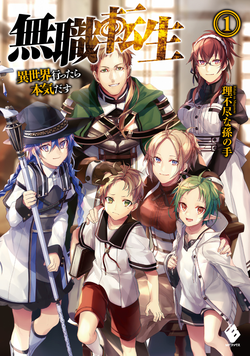

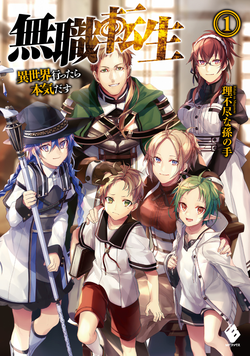
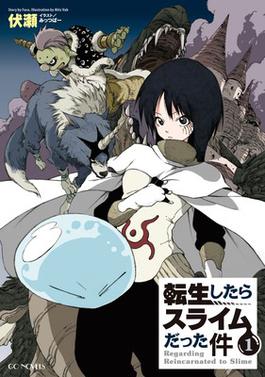
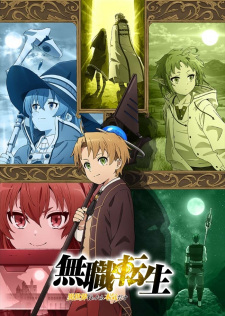


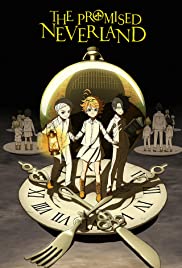

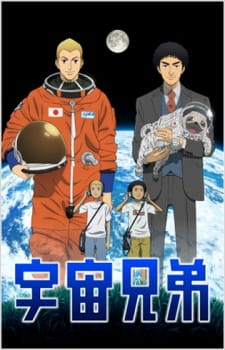


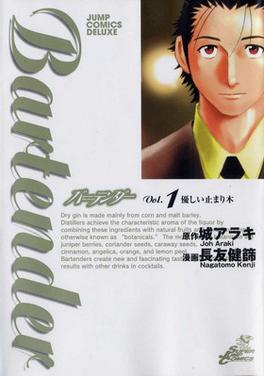
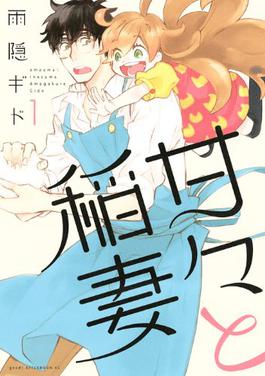
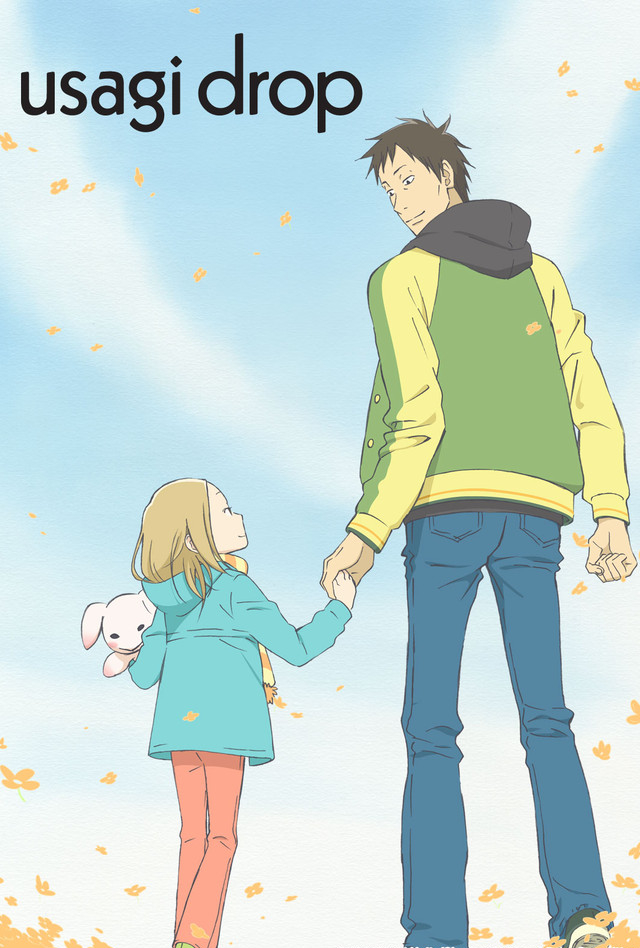
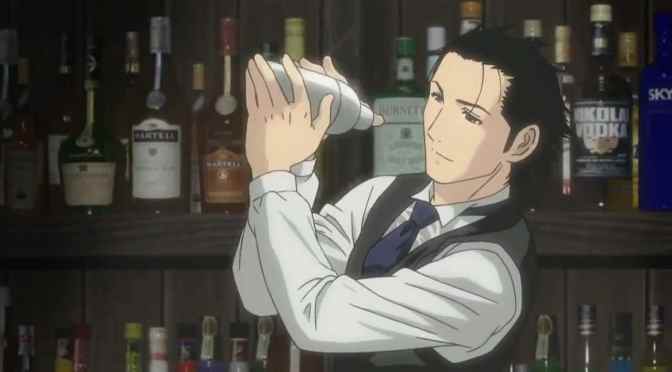
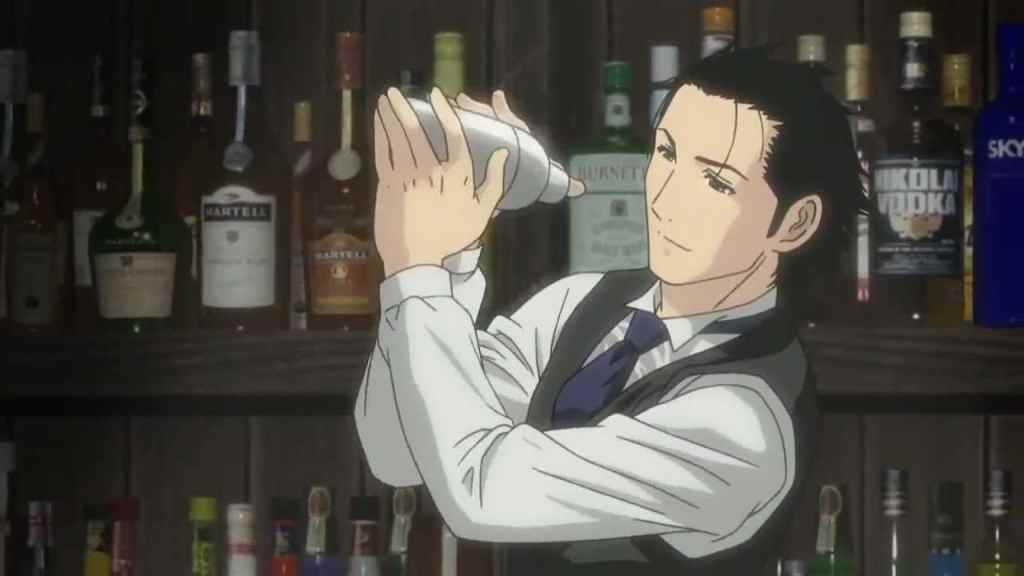



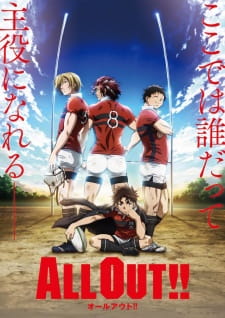


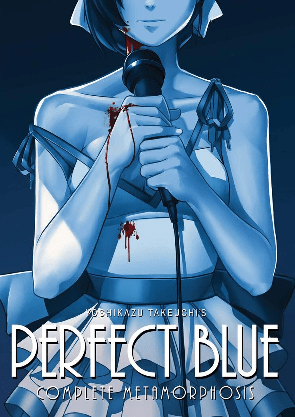

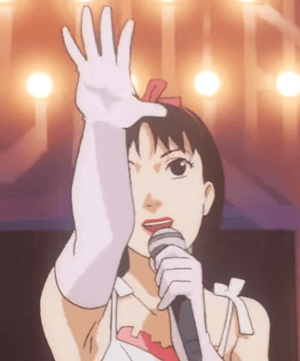

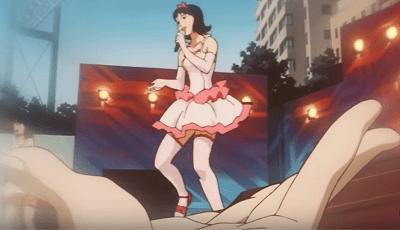


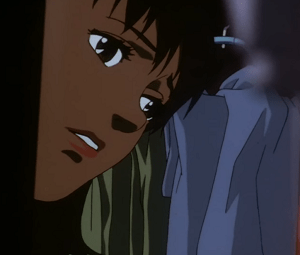
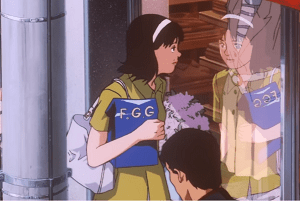
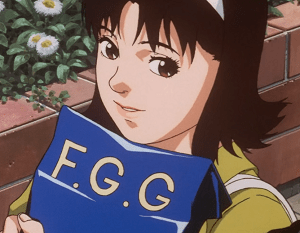

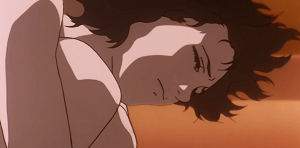
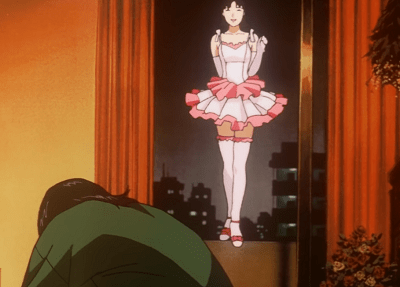




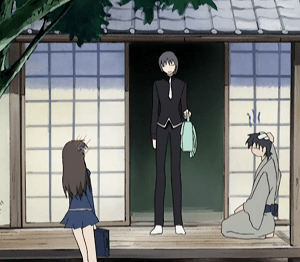



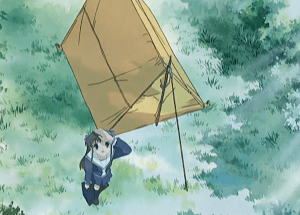
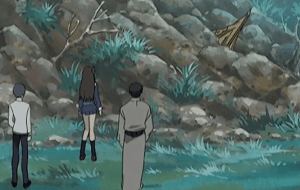


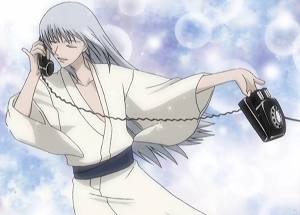


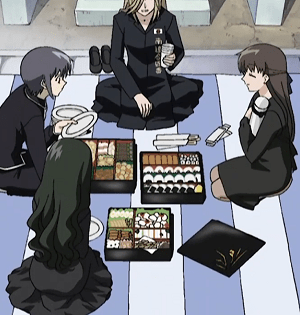
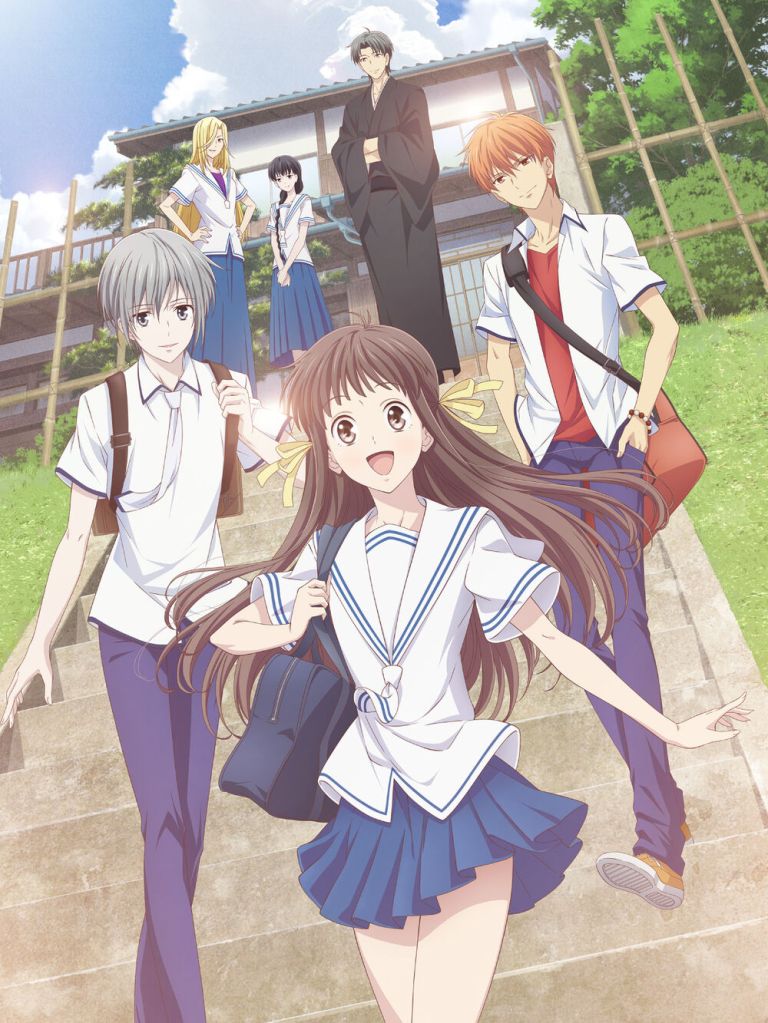
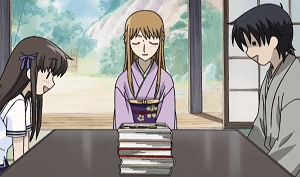


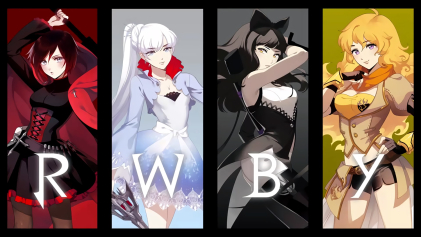

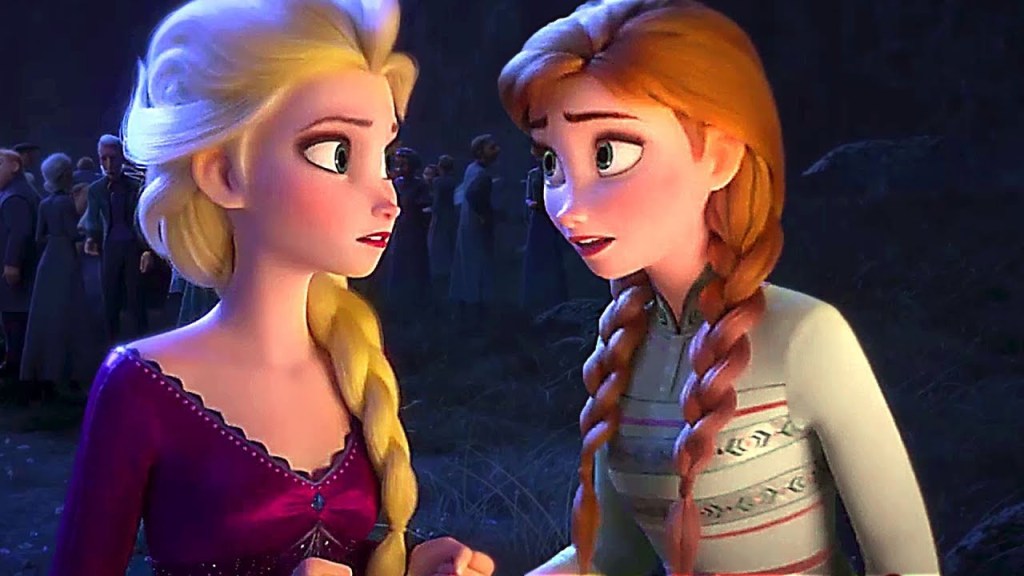


 The Demented Ferrets