Hey all, it’s Kern here, coming at you with another classic movie review. It’s been a long time since I’ve done one of these, but I suppose it’s better to write one now than never. I chose Jurassic Park because it’s such a beloved 90’s classic and the franchise is still ongoing. I’m not quite sure how I feel about the “World” era of the Jurassic Park plot line, but it is what it is, I suppose.
Why Jurassic Park Is Still a Masterpiece (And Always Will Be)
Let’s get this out of the way before we do anything else. Yes, yes and more YES! Jurassic Park (1993) isn’t just a “good” movie. It’s a legendary one, flat out. Whether you’re a die-hard film buff, the average movie goer, or someone who gets hyped over perfect storytelling in games or film, Jurassic Park just hits differently. It did back in the day, and it still does now.
On a rainy afternoon with nothing better to do I recently re-watched this Steven Spielberg classic… and you know what? Yeah, I so often forget how good this movie is. Let’s call Jurassic Park what it really is; cinematic lightning in a bottle.
The movie is partially a science fiction with dashes of philosophy for good measure. It’s also part thriller, part jungle adventure, and all heart. The story isn’t just about dinosaurs. Honestly, I’d say it’s way more about the awe of discovery, the terror of nature, forced imbalance, and the hubris of mankind. Jurassic Park is just the raw beauty of film making done right… but, let’s dive into why that is.
The Plot in a Nutshell
Do I really need to do this? I highly doubt it, so get ready for a rapid fire acknowledgement about the plot. If you’re somehow new to this prehistoric party, here’s a quick summary of the Jurassic Park story:
It all starts with a hunk of amber, and a dead mosquito inside, right along with a blood sucking lawyer complaining about legal disputes. It seems a billionaire with more money than common sense, John Hammond, uses cloning technology to bring dinosaurs back to life and opens a theme park on a remote island. He invites a team of experts including paleontologists Dr. Alan Grant, Dr. Ellie Sattler, and the smart-ass chaotician Dr. Ian Malcolm to tour the park before it opens.
Of course, as one might expect when you decide to play God; things go horribly wrong. The park, a mix of zoo and amusement park, with the issues of both, fails critically on several levels. Exactly what you assume happens, happens. Yeah, everything goes to hell in a hand-bag..
The reasons why are numerous. For Hammond to have “spared no expense” it seems as though a few key bits of infrastructure isn’t up to the task. At the start, this only shows as safety rails that don’t stay in place, but the cracks show quickly. Security systems fail, dinosaurs escape, and what starts as a scientific marvel turns into a full-blown thriller bent escape from the island.
Cinematography That Stuns: Jurassic Park Is a Visual Masterclass
The cinematography is still really good despite the age of the film. The movie is hauntingly gorgeous. Cinematographer Dean Cundey (the same guy who did Apollo 13 Back to the Future), and director Spielberg delivered shot after shot of pure visual poetry.
From the first reveal of the Brachiosaurus and that upward camera pan? Yeah, that’s a moment of film history right there. Another standout moment; The rain-soaked T. Rex let out his first roar on screen. Still terrifying. Still a masterclass in tension and lighting. A mix of practical effects, puppets and CGI were used. Some of the puppets STILL look better in the original movie than the new CGI ones do in later films.
Plus, I mean… Raptors in the kitchen, anyone? That entire sequence is pretty famous. Why shouldn’t it be? The reflections in the metal, how the shadows move, how tension melds with the tapping of raptor toes and the communication between the creatures themselves. Every frame feels carefully crafted to sell the illusion that this world is real. You’re not just watching dinosaurs running amok, you’re witnessing them acting exactly as they would in the wild…
At least, that’s what Hammond wants visitors of the park to believe. The cold hard truth is that we’re not watching dinosaurs, we’re watching abominations of science roam free. It’s at this time I should mention, this movie is based on the book of the same name; Jurassic Park, written by Michael Crichton. The book was much darker than the film, but the general themes are the same more or less.
Acting That Grounds the Chaos
One of the most underrated aspects of this film is the stellar acting. Yes, the dinosaurs steal the spotlight (they should), but the raw human performances are what make you care. The kids actually do a good job acting alongside their much more seasoned and experienced adult counterparts. We’re just going to bullet point the most important characters but, uh, here it goes:
Sam Neill (Dr. Alan Grant): His gruff-but-lovable energy anchors the emotional journey.
Laura Dern (Dr. Ellie Sattler): Smart, capable, and not afraid to get her hands dirty. She owns every scene she’s in.
Jeff Goldblum (Dr. Ian Malcolm): The perfect mix of swagger, sarcasm, and “I told you so” vibes.
Richard Attenborough (John Hammond): A dreamer with good intentions and blind optimism. So tragically believable.
There are more than these major players in the movie, like the lawyer that famously gets eaten off of a toilet by good ole Rexy, but I wouldn’t say they’re as compelling to watch. That being said though, that’s being said in contract to the acting and characters above… nobody gave a bad performance.
Even the kids pull their weight surprisingly. The characters of Lex and Tim are believable and sympathetic. They’re also capable, as shown by the kitchen scene to be resourceful, without feeling as though they retained “plot armor” simply for being kids. they do act their respective ages, but they’re not overly annoying. They’re not the sort of kids to complain unless there is something worth complaining about, like oh… say; falling from a tree in a mangled car or getting electrocuted? The character of Tim is a real trooper in this movie, and there’s no denying it.
John Williams’ Score: A Symphony of Awe and Dread
What’s a Spielberg film without a legendary John Williams soundtrack? These two have worked together on a lot of films; Jaws, E.T. the Extra-Terrestrial, Raiders of the Lost Ark, Schindler’s List… I could go on and on. Anyway it goes without saying. The Jurassic Park theme is instantly iconic—majestic, sweeping, and full of childlike wonder. If you hear this thing, you know exactly what it is.
Over time, the deeper you go into the film, the more the music shifts into eerie tension and dread. From soaring melodies during dino reveals to those near-silent moments during suspense scenes, the soundtrack guides your emotions like a roller coaster and it doesn’t let go.
Themes That Hit Harder Than Ever
Oh sure, dinosaurs eating people, high speed chase scenes, moments of baited breath and stealth, Jurassic Park has it all. Even though this is a popcorn blockbuster, the themes of Jurassic Park are shockingly deep. The main focus is primarily about respecting one’s place in the universe. It’s about human arrogance vs. nature’s unpredictability.
Hubris is the ultimate downfall of the park. Those who decided to use a lack of scientific ethics when designing it suffer the worst. The danger of playing God is woven through the film, with stern warnings from the resident chaotician, not that anyone listens. The least of the issues, although certainly problematic in its own right is the downright levels of corporate greed overriding common sense and caution.
Perhaps the most iconic Ian Malcolm one-liner depicts all of the above themes the best. “Your scientists were so preoccupied with whether or not they could, they didn’t stop to think if they should.”
Ultimately the scene around the table is perhaps the one most fundamental to the entire movie, and if you haven’t seen at least that one movie clip, you should. It’s an interesting moral debate if little else, and it leaves a lot of interesting points to ponder. In a way the scene is more topical today than it ever was way back in the 90’s.
Is Jurassic Park Still Worth Watching in 2025? YES.
If you’re wondering, “Does Jurassic Park still hold up in 2025?” The answer is a T. rex-sized YES. Here’s why… you’re not going to find another Jurassic Park story quite like it. It’s plenty dark while balancing action and adventure. It’s also a fairly intelligent film. The scientific and moral dilemmas aren’t just surface level. That said, if that’s the part of the movie you love the most you should probably read or listen to the original book too to get the full experience of the philosophical debate.
I don’t think it’s too over-the-top to say that Jurassic Park defined a generation with lunch boxes, clothes, hats and toys. Children and adults alike loved this movie, and it’s certainly a huge part of media history.
This isn’t a children’s movie, but families flocked to it all the same, myself included. When I saw this movie, I was five and this movie was most certainly not for a five years old… but, I loved dinosaurs, my other families were going to see it anyway. My father took me with them to see it too. I think that’s a pretty common story surrounding Jurassic Park and just how many people loved it.
So yeah, this movie is certainly worth a watch. I can’t imagine why anyone wouldn’t give it a try if they like the general premise.
On that note, I love the movie so much that I made a fan song for it, and I hope you’ll enjoy it.
This has been Kern from The Demented Ferrets, where stupidity is at it’s finest and level grinds are par for the course. Don’t forget to check out our YouTube channel, like and subscribe! We’re on Twitch too, if you like gaming content.
What’s your favorite scene in Jurassic Park? Let me know in the comments!
Hey all, it’s Kern here, coming at you with another classic movie review. It’s been a long time since I’ve done one of these, but I suppose it’s better to write one now than never. I chose Jurassic Park because it’s such a beloved 90’s classic and the franchise is still ongoing. I’m not quite…
Twister isn’t a particularly dark or unrealistically gritty movie. It mingles themes of unfettered joy with its deeply held pains in a way that equalizes the film very nicely.
In 1957, the movie 12 Angry Men hit theaters and took movie watchers by storm. The movie demanded a certain level of forbearance as a drama and a thought piece.
Beyond bombastic, high octane moments, we get a real struggle of ideology here. This curiously haunting film is best enjoyed when you’re willing to think about its core themes. It takes its origins all the way to the next level, and sometimes in more ways than one.
At the heart and soul of this franchise, there’s a sad truth to tell. It isn’t all unicorns and rainbows when you’re leading the mob. Rather, oftentimes Don Corleone finds it to be a merciless position to be in. He understands that position, acting with gravitas where it suits him to do so. When it…
This particular review was requested by one of our members over on Patreon. If you’d like to help decide what content gets reviewed, consider becoming a member. Hey everyone, it’s Kernook here. When I was asked to review this movie, I found myself rather surprised. The “Road to Perdition” is a strange film all things…
Hey everyone, it’s Kern here with another movie review. In simple terms, the 1996 movie Twister is a PG-13 disaster film about a series of tornadoes and the storm chasers that study them. This is not a typical movie review. It isn’t based purely upon the quality of the movie, or if you should watch it or not. Rather, I want to talk about what sets Twister apart from others in its genre, and why the movie is so fundamental to the cultural zeitgeist of films dealing with natural disasters as a core premise.
I thought long and hard about going down this path, as reviewing this film will surely lead to an in-depth looks at others. That’s my own nature talking. You see, typically the rule for disaster films is watch, but don’t think. If you do, you’ll tend to ruin the enjoyment of the film… but, I am a thinker, and I do like to ponder the films I watch. This led me to the conclusion that Twister is a “thinkers” disaster movie, at least for the general layman. I’m not saying Twister is at all perfect, only that it stands up to scrutiny better than other films based on naturally occurring disasters.
You can be slightly more critical of it, while equally enjoying it. The film is not going to be quite as problematic as 1997’s Volcano, or Day After Tomorrow. I’m not saying that Twister is scientifically hitting home-runs all of the time, but Twister wasn’t trying to hit home runs all of the time, either. That wasn’t the main aim of the film.
Its corresponding themes makes it fundamentally different.
Under the hood of bog-standard mayhem and destruction found in movies like these, there’s a little something more and that’s really what this particular review is centered on. So, what is that magic element? What makes this classic film stand out from the likes of its more ciaos-driven brethren?
This is likely a topic for a much larger blog post, and I do plan to do that. Without examples to point to, and more in-depth looks at each movie I plan to bring up, that would be very hard to accomplish.
What makes Twister so special is that beyond the bombastic carnage expected of a disaster film, we have rational human beings. We’re not surrounded by complete idiots. At least, not usually. The reasons for stupid decisions taking place on screen usually come naturally to panic, fear, or some logical frame of reference; such as trying to launch a few sensors into the heart of a tornado. The characters don’t act with raw ignorance, or think themselves to have an impunity to danger. To them, it’s not just a game or thrill seeking. While these storms are dangerous, they aren’t world-ending either. That’s the first key element, I’d say.
There are spoilers for Twister ahead, so if you care about that, go watch the movie first. It’s worth your time, if you like natural disaster movies.
As the core risks in Twister themselves aren’t larger than life, or threatening to decimate entire cities to rubble in the blink-of-an-eye, the characters can be thrust into peril without being thrust into trying to justify Twister’s narrative on top of it. Frankly, the most threatening tornado encounters in the movie are the ones that directly threaten family dynamics in the film. One of our main characters is a woman named Jo, short for Joanna. There are three notable tornadoes in the movie that she needs to face. One that takes the life of her father when she’s a little girl. It leaves her home in shambles, and the twisted wreckage itself is as unsettling as it is depressing, seen below.
The second tornado of particular merit completely obliterates her aunt’s home near the end of the film, although her aunt survives. The final tornado she faces is a success story just as much as it is a fight for her own survival. She did accomplish her goal, more on that later. However, she also manages to get herself trapped between the storm and a wide open farmland. Her only means of protection comes in the form of ropes, water pipes, and a prayer.
The key point to make here is that Twister isn’t a story about humanitarian efforts, saving an entire city, or even the entire world. It’s about the family, friends, and close bonds threatened by these disasters. More than that, it’s a film about deeply buried grief and overcoming a sense of feeling powerless. In a way, Twister may have more in common with super hero movies than the natural disaster genre itself. While super powers themselves aren’t in the movie, aiming to face down an all-consuming foe lingers in the backdrop of the plot.
The enemy they’re up against is nature itself.
Jo even admits this towards the middle of the film, claiming that the twister that took her father and her home away missed “this house” and “that house” all in an attempt to go after her and her family instead. You get a very real sense of just how frustrated and angry she is at nature’s brutality. She’s equally amazed and horrified at the raw power of tornadoes, while still attempting to make strides in understanding them. It’s almost as though she feels nature itself is against her personally. Truly, you can feel that her drive to chase them down and research them comes from that very inward and internal place of motivation… and this is why I equate Twister to a heroes film more than that of a disaster movie.
I’m reminded of Spider Man. Although cliche, it’s not a question that with great power, comes a great responsibility. In Twister, the so-called power comes in the form of science. If no one is willing to get up close and personal with a tornado, that scientific study can’t take place. Jo feels that immense sense of responsibility… this mission of hers is strictly personal.
The core desire of the main cast is to mitigate the ability tornadoes have to damage society. At their disposal is new technology, which is able to study the inside of a tornado. There’s just one problem. They need to get close enough to the tornado to launch the device. The possible gains are insurmountable. With the information they gather, they’d be able to develop a new storm warning system, a revolutionary development that could possibly buy people more time to get away from these disasters before they strike… that single detail alone provides an enemy to face, and it’s not one that just goes away at the end of the movie. Tornadoes won’t just go away when the movie ends.
In the movie, Jo states that the current warning systems allow for a three minute reaction time. They aim to gain enough information to push that time to fifteen minutes. That might seem to be a rather boring premise, but the movie is far from it. After all, this isn’t a story about any singular catastrophe.
Rather, this is a story about nature and its inevitability. It lends a message of hope and mutual understanding more than anything else.
Twister isn’t warning us that weather is becoming more volatile, there is no environmentalist message strapped to this film to beat us over the head as an afterthought. Instead of spoon-feeding the viewer any sort of moral environmentalist message with all of the grace of a bulldozer, the movie simply showcases what we already know to be true. Tornadoes happen, and when they do, they can leave utter devastation behind. A lack of reaction time is our greatest threat.
That’s one thing Twister gets right, where so many other movies go so terribly wrong.
This cast of characters can’t stop tornadoes from happening, and it’s not because of baseline arrogance that these forces of nature take place. Humanity didn’t provoke this danger upon themselves, but they will have to endure the danger regardless. There is no one to blame, it’s only a circumstance that must be overcome. The brave few willing to do the research know the risks they’re taking, purely so that others don’t have to.
Besides, if seeing a little girl’s father getting sucked into a tornado didn’t drive the point home for you, nothing truly would anyway. The second tornado encounter is no less devastating to the area surrounding it than the first, although this one is less tragic and more action packed… exactly what you’d expect from a high octane storm chase… and that’s the mix of storm encounters you’ll get in Twister.
Some tornadoes are action packed, bombastic awesomeness cranked to eleven before the dial gets ripped off. Some tornadoes are secondary to the actual emotional impact they bring with them. In both cases, we’re given a front row seat to the costs these storms bring with them.
Yet, Twister isn’t a particularly dark or unrealistically gritty movie. It mingles themes of unfettered joy with its deeply held pains in a way that equalizes the film very nicely.
Before I continue, let’s briefly contrast Twister’s ideology with a few other movies, shall we?
A Few Observations about the “Disaster Film” Genre…
I want to caveat the next part of this analysis: I love all of the films i’m about to rip to shreds. I’m not saying they are bad films, I’m only highlighting a commonality, even if I do so a bit viciously, it’s only to truly drive the point home about what separates them from Twister. In their own reviews, they’ll get their own praise by the buckets full, but let’s not pretend these are perfect films. Twister certainly isn’t and I’m going to rip it to shreds too, but I’ll get to that a little later.
Truthfully, I wish I could say that Twister revolutionized the film industry and set a newfound standard in how we view disaster films. Twister uses its massive set pieces as a way to study the human condition. Sadly, it didn’t manage to inspire other films to act with any practicality in mind. The same sort of simple focus Twister offers can be very hard to find in movies that came after it. At the very least, it’s not an insult to say big film partook the wrong lessons from Twister’s success.
In 1997’s “Volcano” the entire city had time to issue a warning to evacuate. There was time to act before lava started flooding streets. No one issued that warning until the disaster reared its ugly head in earnest. By that time, it was too late for most people to escape safely. Thus action and dramatized lava escape scenes ensue. Tacked onto this problem is the way lava generally moves slowly, meaning it creeps along in a way that’s normally very easy to get away from in the movie. That’s not to say downed power lines and all of the buildings catching fire wouldn’t cause some level of shock and terror. I’m only saying that the baselines presented for why the danger happens come from human failures. It’s not the actual lava itself. Volcano only highlights an unfounded arrogance brought on by people who could have done something about it.
If Volcano focused on acting with Twister’s level of common sense, the characters would have done their best to evacuate the city before the lava started melting everything. As the setting in Volcano takes place in a big city, reasonably everyone wouldn’t make it out in time. That would change the baseline from arrogance and incompetence to an unpreventable, and unprecedented disaster. The movie becomes a battle of humans against nature in a very real, pragmatic way. The focus would then become about attempts at rescuing those who couldn’t have gotten out of the danger’s path on their own. The poor, the elderly, the sick, and the families with nowhere to go.
That would have been much more interesting than the complete mediocrity of one bureaucratic nightmare flowing into another, and the choice to ignore the scientist warning against suspicious underground activity in desperate need of investigation.
Volcano isn’t the only movie that would rather use incompetence as an excuse for everyone being in a bad situation, either. In another 1997 film, Dante’s Peak, subtle clues of volcanic activity are completely overlooked and ignored until the volcano itself starts becoming nastily active. The blame game is a little harder to play on this one. The clues were less obvious, and Dante’s Peak takes place in a small town, not a big city with an army of supposed experts. The mountain town is quaint, but much less technologically advanced by virtue of not being a huge metropolis in the first place. That gives it just a tiny bit of wiggle room when it comes to a lack of reaction time. Yet, the fact still remains; clues about an eruption were there long before the volcano actually erupted. This means it suffers from the same core problem, humans ignored nature, humans got what they deserved… contrived lessons about valuing nature and one’s own community; learned.
Fast forward a few years in film making history and we can take a look at the 2004 film “Day After Tomorrow”, the global warming crisis had been around for a long time in the movie, with no concern paid to it by those who could have done something. As a result, the deep freeze is squarely to be blamed on humans acting like ignorant fools, once again. While one might argue preventing the climate crisis would be much harder than issuing any kind of warning, the core problem is the same. Humans underestimated the forces of nature. Eventually, nature does what it always does. It proves itself superior to the lowly humans who didn’t watch for the warning signs and act accordingly…
In the end,all three movies depend on an incredible level hubris to be believed, and so in my mind, they’re not actual disaster films. I would argue, if humans bring their own undoing by their own failings, that’s not a disaster movie. That’s just a movie showcasing how dumb humanity can be. It may be entertaining to watch Volcano, Dante’s Peak, and Day After Tomorrow… but, most of the time the main characters on screen deserve exactly what they’re getting. I would presume that’s why disaster films take this route more often than not.
It’s easier to swallow, and in some way, the viewer can justify what they’re watching. If humanity does it to themselves by acting lackadaisical, that’s humanity’s problem. People typically get trounced by whatever disaster is going on. Watching innocent people suffer for doing no wrong isn’t very fun. We like to see “bad guys” get a face full of justice, but most people don’t want to see the completely innocent person suffer incredible tragedies. That’s the same reason companion animals usually have plot armor in these movies. No one wants to see the innocent pets die. The dogs and cats did no wrong. Why should they suffer, just because the people in the movie magically lost brain cells?
In the end, the themes of most disaster films make it very clear. It reduces down to one thing, and one thing only: screw around with nature and find out the hard way…
If you encounter incredibly hot, acidic air in an underground tunnel that managed to kill construction workers, and ignore the fact that a scientist told you there could be deadly underground activity, don’t be surprised when you find out it’s more than a gas leak. Thank you Volcano for that obvious insight… if you’re going to mess around with a volcanic activity that’s managing to kill wildlife and boil people in the hot springs, you’re going to find out why that’s a bad idea. Thank you Dante’s Peak, what a brilliant lesson. The same is true of a deep freeze likely to overtake a huge section of the globe. It never would have occurred to me that we maybe shouldn’t be in the path of a literal ice age… unless I… you know, had absolutely no concept of self-preservation…
In a horror movie, all of that basically reduces to “don’t go into the basement alone”. If it were in a horror film, that’s what these characters would be doing if they were literally that nonsensical. By having an entirely avoidable disaster, the people facing them need to be incredibly dumb when the warnings have been laid out clearly. That isn’t to say watching stupid people do stupid things isn’t fun. I’m just saying, you can’t have much in the way of innovation for a plot like that… it can’t and won’t revolutionize the disaster film genre.
Even this surface level of compare and contrast of other movies highlights Twister’s main difference in how it approaches its own plot. Twister doesn’t, and couldn’t, contain the level of downright Darwinism I just pointed out from other films. The story cannot allow for it, because if it did, then even the very opening in the movie would have no leg to stand on. The suffering that takes place in Twister isn’t as easily preventable or avoidable, that’s the whole point in the first place.
Twister really is just a story about having a better tornado warning system in humanity’s future. The movie plays the long-game, because it’s about actually heeding nature, instead of ignoring nature. It doesn’t kick the goalpost any further than that. Tornadoes are ubiquitous, but they’re also fast forming and unpredictable… that alone is danger enough.
Twister’s Balancing Act: Common Sense and Common Threats
To add a further layer of narrative urgency to this movie, the family element comes first, not secondarily. When loved ones are placed into danger along with strangers, the loved ones come first when thinking about priorities and safety. There is no central element of a “dead-beat” father more involved with work than his own children. You won’t see the entirely neglectful spouse mired within their work purely for the sake of “public safety”. Neither will you find the self-important and self-indulgent political figurehead sitting on their laurels. Twister showcases a proactive cast of characters because the endeavor of studying tornadoes is personal to them directly.
The only film I can think of one film that matches Twister’s resolve when it comes to sticking true to its themes. Independence Day, also made in 1996… it showcased family values with with not only one, not two, but THREE dedicated father figures, one of them being the President of the United States, one lower-class working man, and one military bad-ass with a soft spot for his wife and child… these three same characters get into aircraft to fight the alien threat of their own volition… now that’s what I like to see in my disaster films. Characters firmly attached to family values, community values, and a mission they’re damn sure they’re going complete, or go down trying… there’s a real down-to-earth pragmatism in both films, but it doesn’t come at the expense of what actually matters to the characters.
Getting back to Twister, a combination of characterization and personal motivation streamlines the narrative process. There is no lesson needing to be learned about the importance of one’s own community. That’s baked right into the film in a way you can’t ignore. Twister assumes, logically, that most people don’t need that lesson. Therefore characters aren’t often placed into situations to impart the lesson. That’s not to say it never once happens, it does rarely, but it’s just not quite as ham-fisted in its attempt to hammer a point home.
Like Independence Day, Twister is all about simple subtext mixed with common sense reality.
Rather brilliantly, Twister suggests that greater good has a reasonable limit. Therefore, it doesn’t feed you characters willing to devalue the baseline that it provides. These guys and gals may be storm chasers, but they are going to look after their own people first. The narrative focus is also much more narrow because the tornadoes they’re chasing are usually located in large open areas when they touch down. That means you don’t have an entire city to worry about on screen. You can focus on the main cast, and not what the panicked public surrounding them is doing. This means we end up with a much less convoluted character arc for our main and supporting cast.
Disaster films usually share particular and very similar issue with Star Wars. For the same reason you shouldn’t need to explain what Midichlorians are to justify a Jedi, you shouldn’t need to spend a lot of time to justify whatever disaster is about to be on screen. Twister simply provides the tornadoes. It is a movie that shows, long before it ever tells in extreme detail.
More importantly, instead of doomsday talk, these characters actually chase storms. They speak about tornadoes in a casual and normalized way unless they have a very clear reason to speak with any level of gravitas. Once again, so often hubris and a failure to listen to expertise is involved when the “big bad disaster” strikes. In many movies, by that time they realize the expert was correct, it’s much too late to remedy anything.
Twister doesn’t buy into that realm of thinking as a normality, because these are the experts. No layman or political figure in this movie pretends to be wiser than they are. Actually, it’s quite the opposite. Everyone listens to the experts, every single time. That’s the tragedy, and that’s theaction. It is what makes the stakes in this movie so damn high as well. Every time someone says there’s a tornado coming, everyone jumps into high gear, and no one farts around… the tornadoes aren’t a plaything.
One thing I can and shall praise Twister for, is the relaxed and comfortable way the core cast engages with the threat they’re up against. They don’t panic until it’s time to panic, and not a moment before that. They are competent enough to know when to be fearful, and when to be relaxed. They’ll be blasting music in their cars with excitement during the non-dangerous parts of the storm chases, and then they knuckle down when it is time to get serious. That fluidity lends the movie a lot of credence, and narrative license. The tornadoes are allowed to be as over-the-top as possible, and the stunts can be borderline crazy. That’s the point though, they need to be willing to get up close, that’s their job.
Tropes and Nonsense: One Step Forward, Two Steps Back
For all of the praise I just provided, that isn’t to say Twister isn’t without its faults. Actually, Twister has a lot of faults. The movie is almost mindlessly bog-standard on the surface. I say it’s a “thinker’s” disaster film. I do stand by that. The truth is though, it never really forces the viewer into thinking at all… that’s truly incumbent on the viewer. Honestly, sometimes it would really rather if you didn’t, and the film makes it clear when it’s time for you to turn off your brain and go for the ride it presents.
In that way, Twister has more than plenty to nitpick, if nitpicking is the goal. Surely, there are some tired old tropes too. At least they’re the comfy sort. Failing that, they’re at least laugh out loud funny moments purely because they are so asinine to begin with.
Between projectile squeaky toys, flying cows, and driving through rolling houses in the middle of the road, there are times when Twister defies its own rule book. Moments when characters should have not survived a storm chase rack up quickly. To be brutally honest I think that was the intention. In those moments even the movie itself knows that it is being ridiculous, and the dialogue turns campy. If that humor wasn’t entirely and obviously intentional, we wouldn’t have such great writing in other places in the film. Campy dialogue, and very occasional goofiness aside, let’s really talk about the tropes in this film.
There are a lot of tropes and overused plot devices, countless of them. However, a great deal of them come from the characters themselves. I think this image below does a fairly good job of giving you an idea of what kind of characters you’ll encounter.
Yeah, you’re going to run into the thrill seeking, renegade, “dude-bro” storm chaser with more brawn than brains. He’s always going to look like he needs a hot shower, and equally Rambo his way through every storm encounter. He’s just the high octane “best buddy” supporting role you expect him to be. As much the emotional levity as he is unkempt and askew, he’ll turn out to have a heart of gold despite appearing completely creepy and obnoxious.
You’re also going to find the nagging “geeky” type that will complain about maps being folded instead of rolled up. He’s the typical buttoned-up sort that plays classical music, and doesn’t seem to like rolling in the dirt with the rest of the storm chasers. He’s there for the science, not the thrill.
Then there’s the glasses wearing, short haired androgynous character that has very few speaking lines, and yet always shows up in the background. Basically, the standard “find Waldo” character, bonus points if they read as possibly gay to the viewer, and have at least one “smart-ass” moment when they get to be snarky just for the fun of it.
Last, but certainly not least, you’ve got the “fish out of water” bait-and-switch love interest that has no idea what in the hell she’s getting into. She’s well-dressed, kind, and fairly unobtrusive. She acts as a vessel for the average viewer who isn’t used to tornadoes, or chasing them. She’s going to be the one crying in the aftermath the most, shaken and terrified, as most people would be if we encountered a tornado face first unwillingly.
That’s just the side-cast mind you, and it’s not even all of them.
Atop the motley crew of characters, you have the main male protagonist, Bill. He knows exactly what he’s talking about 90% of the time, and is rarely ever wrong. His “best buddy” will always talk him up, no matter what. Along with him, we end up with the tough as nails, “take no shit” female character, and the other love interest to our main male lead… that means we’ve got a love triangle going on, take that for what you will. Female leads are always a coin toss in disaster films. Often shoved between being an absolute annoyance, or an organic and fleshed out character.
Thankfully, there are some subversion here, and they’re wonderfully done.
Our main female lead in Twister tends to fall into the “organic person” category, with a down-to-earth inciting traumatic incident and loss of a parent. Jo has many faults as a character, but you could have made her a man and her character baseline still works. Her gender has no bearing at all on who and what she is to this movie when it comes down to the plot. With or without Bill, she would be chasing down those tornadoes. That they just so happen to have a strained marriage is entirely secondary to that goal.
That makes her one of the best female leads in the disaster movie genre, because she could live her life without him, but she doesn’t state that explicitly. She has no high-horse that she wants to stand on, because she still loves Bill. Mixing this with the fact that Bill isn’t a pig-headed and mindless tail-chasing jerk-wad, and you’ve got a recipe for a dynamic on screen couple. Neither one of these characters fall into the usual gender-role trappings you expect of a disaster film. They’re just average people doing the same job, both of them… therefore equality in expertise is implied to the viewer, and not shouted about by the characters in question.
Now that I’ve digressed into one subversion done well, let’s get back to the rest of the overdone themes that you’ll run into in this film.
Our main team, our heroes so-to-speak, are going to be disenfranchised by the rich big company, played up as villains for stealing innovation and ideas without any concern or thought given to our rag-tag underdogs. Since these villains are surely going to die in the movie, we have to make sure they’re as unlikable as humanly possible. These stand-in villains need to be as self-serving and arrogant as possible, to the point it will ultimately lead to their own demise… hubris I complained about before in other movies show up here with Jonas and his own storm chasing crew. Obviously, it won’t end well for him.
The self-same innovative technology that Jonas steals, will be the emotional crux of the entire story in Twister, both emotionally and scientifically. It’s the entire reason why characters find themselves in direct danger during the final storm and almost all of the storms preceding it…
So, yes, there are tropes galore. I won’t say Twister isn’t packed full of them. There’s plenty more where that came from too. Some are done very well, and others miss the mark a little bit. At the very least there is one saving grace. Emotions are the driving force of Twister’s plot, not the tornadoes themselves. Emotions don’t need to be entirely rational. They only need to be persuasive to the character and somewhat believable to the viewer. Twister mostly accomplishes that emotionally driven goal, with a few tiny slip-ups here and there.
Yes, there are some details you can rip to shreds, but, that would be true of almost every movie of the genre. You can’t really bash Twister for doing the same, unless you want to be a hypocrite… the flying cow happily floating in the gale forces of a twister and squeaky toy are hilarious, but lets be honest, moments like that are downright stupid too. While they only do things like that sparingly, there are still more than plenty of times you need to turn off your brain and simply enjoy.
The Marriage Subplot: It Actually isn’t Crap
Even the “filing for divorce” marital drama sub-plot in Twister is secondary to its main themes and very little more. Let’s be honest, it’s a common thread that anyone watching films from the 90’s and early 00’s will be very well antiquated with… but here, it doesn’t feel like garbage.
See if you’ve heard this one before: one of the spouses encountered extreme childhood trauma, an inciting incident for the movie at best (in this case an F5 tornado). Later on, that trauma enforces the main plot. The incident explains why that person is so obsessed with the concept of studying the thing that traumatized them. Add on more gumption than you can measure, and a healthy dash of cynical resolve, and you’ve got a trope.
Of course, the “lead male characters are usually always right” bend on the tail end of romantic tit-for-tat is not without its fair share of scrutiny, either. Then again… if you do all of the above, you’ve got a recipe for pretty much any disaster film on its face. I could say the same of many movies preceding Twister, and several that came after it. There are a few outliers in movies such as these with happy marriages, but those are very few and far between. Typically if romance is successful at the start, that’s because it’s a new and freshly budding one. Or, much better yet, the characters don’t meet until the movie, and the romance begins on screen…
At least in Twister, the marital drama comes more from heartfelt miscommunication on Bill’s end, and childhood trauma on Jo’s end, rather than any else. Bill feels pushed away, Jo feels as though he doesn’t understand her perspective. Their marital drama comes down to one fact alone; life gets muddy sometimes. Moreover, that’s a Jo and Bill problem. The movie keeps it that way. Their arguments don’t impact the rest of the storm chasers because those arguments are intended to be private. Even when the arguments are overheard, they’re still not intended for others to be involved in, and the rest of the team actually respects the concept of privacy… they mind their own business.
Twister may in fact be using the relationship drama to its advantage, purely because it is so secondary. It is also so droll and typical nobody bats an eye at it… it is a non-issue for most of the characters at best, and only a mere “thing that happened” at worst. It feels more realistic because all of the adults are acting like adults. Beyond that, because the drama is kept insular, it’s also kept moderate to the main plot.
Directed by Jan de Bont, Twister is certainly following a carefully crafted formula. You might say the themes that become problematic in the disaster genre are to blame because of Twister being a box office hit… and perhaps, you wouldn’t be wrong to think so. Later movies attempting to crank up the drama normally take the relationship and emotional investment woes much too far. Twister set a very high bar when it comes to interpersonal relationship sub-plots, platonic and otherwise.
I’d say, in attempting to surpass that high level, a lot of films just flat out jump the shark. Relationship drama is usually the least interesting thing about disaster films, followed swiftly by the inattentive parent garbage, or uniformed political know-it-all.
Yet, the power of the pen rested with Michael Crichton, known for his book series Jurassic Park… so, what did we movie goers really expect? The Jurassic Park movie came out in 1993, became resoundingly popular, and that dinosaur romp has a lot of the same basic concepts. It was also a smash hit, so why fix what isn’t broken, right? Mass appeal drives the market, and that too might be why Twister satisfies so well.
Following up in the writing department as far as heavy hitters are concerned is Anne-Marie Martin. That actress is so common to find in slasher style horror films, I can’t even begin to wax on about it. If I listed her credentials, we’d be here all day. Bonus points if you know any of her work in comedies and dramas. Needless to say, this combination behind the screen-play is probably what makes Twister such a narrative powerhouse. It does manage to innovate just a little, while also keeping true to the tired old tropes we know and (hopefully) love.
Fun fact: at the time of the film, Michael Crichton and Anne-Marie Martin were a married couple. They didn’t divorce until 2003. I would hazard a guess that particular detail is Twister’s special little ingredient. The married couple spearheaded the writer’s room. That’s why the divorce sub-plot in the movie feels less “tacked-on” and more organic. We had a husband and wife duo laying down a romantic commentary that didn’t need to be overblown. Honestly, that particular sub-plot is very easily forgotten or overlooked, and I feel that was intentional. People go to a disaster film to watch the disaster, not the marriage mumbo-jumbo… we have actual romantic dramas and thrillers for that. We didn’t need it encroaching too heavily into Twister, and they knew it.
Yet, that very real string of human emotion lends itself further to the credibility of the cast and characters. The romance itself might have dwindled for Jo and Bill, our resident on screen married couple. While romantically they might have been misguided, they aren’t complete failures as people. Their own moral focus, and the community surrounding them matters.
Each storm chase demarcates the rebuilding of the relationship between Bill and Jo. The highs and lows of their relationship really showcase alongside the storms they’re chasing… perhaps an allegory to the unpredictability of storms themselves. The focus stays on the stress of each and every situation, and the stakes involved with being near to the tornadoes in the first place. In spite of their near constant bickering early on though, you can tell that they still really care about each other. Yes, they both get a little snippy with each other, but it never feels like they’re trying to truly hurt one-another emotionally. The dried out romance feels stressed to the brink, withered and strained, but not downright toxic or manipulative. They wouldn’t be saving each other and trying to work as a team if they truly hated one another, because as I feel the need to highlight yet again, the stakes aren’t world-ending.
Bill could extract himself at any time, Jo could sign the divorce papers at any time… but, they both choose to continue working together. Even when the other woman Bill’s been seeing during the separation is in the same car with them, the three of them are civil. It’s incredibly refreshing to see these three characters in the same car together, able to communicate, without losing their ever-loving minds. This is a rarity in film making when an easy argument can raise the threshold to danger. A verbal warfare could have erupted here in this moment, but it didn’t…
That means that Bill and Jo managed to learn from a previous mistake. In an image further up, you might have noticed an overturned car, thrown by a tornado. That car was thrown because Bill and Jo were more focused on arguing than the tornado. This time, they’d all rather gawk at the flying cow.
In this scene, they’re appropriately level headed, and working as a team, and not fighting in front of the “other woman”. It’s not forced upon them, it’s not even a spoken agreement, only a mutual level of adult understanding that now is not the time to be acting like air-heads.
I’m only about forty minutes into explaining the movie at this point, but truly, I feel like that’s as far as I need to go when it comes to breaking down the core and critical points of this film. Everything outlined above are common plot elements, and those elements make Twister everything a disaster movie should be. This special quality is what other films need to aspire to when considering both the threats involved, and the characters they’re working with.
With that incredibly lengthy diatribe over and done with, by now you should have concluded a few things. Firstly, that Twister actually understands what it wants to do as a film. Secondly, that it doesn’t oversell its own plot. Thirdly, that these adults know how to act like functional human beings. Twister displays those qualities without beating the viewer over the head with them.
I can now lay out the final, and most important piece of this puzzle. The entire lack of judgement, even when it would be the most deserved… it’s just not there. There’s none to find.
The most important character in this movie is the one that doesn’t show up until around the middle of it, Aunt Meg. Now despite the fact that Bill has left Jo, and is now seeing another woman, this doesn’t stop Jo’s beloved aunt from embracing Bill, telling him just how much she missed him, and giving the woman he’s currently seeing a place at her table, along with the rest of the storm chasers.
In this moment, Bill’s new love interest becomes one of the storm chasers in spirit and the true level of acceptance she’s earned here isn’t anything to scoff at. I’ve gone to great lengths not to name her in this review, because I wanted you to see her as a plot device up until now… because frankly, she does feel like one, until this moment. We’ve seen her be a damsel in distress looking for comfort, we’ve seen her talking to patients over the cell phone because she’s a doctor, we’ve watched her follow in the wild adventures of these chasers, and we’ve seen her question Jo about weather or not Jo loves Bill… but in this moment, we get to see her as a person breaking bread with the rest of them.
Our resident “fish out of water” was welcomed with open arms, brought into this group, and even Jo has been nothing but civil with her. Standing side-by-side, they’re even happy. Why does this matter? Like I said, it’s the heart and soul of the matter… it’s what makes this movie so damn special… how many disaster films can you name where the entire group of people, and I do mean the entire group, including the resident and beloved aunt can welcome the clear outsider with such generosity and kindness? Go ahead, I’m waiting… seriously, if you know movies like this, pass them over. I want names because that’s why I LOVE twister. When I said that the relationship drama doesn’t take center stage, and that there’s a real thread in community and caring for one-another, this is what I’m talking about.
Melissa becomes so much more human in this scene because in that very moment we as viewers are told that it’s okay to like her as a person too… that her circumstances with Bill can’t and won’t negate the fact that she should be welcomed, and should be included. You do want to root for her relationship with Bill a little bit, at least I did. Some may even argue the movie encourages you to want to root for her.
Aunt Meg can and does speak with Jo in a scene after the one at the kitchen table, expressing how sad she is that Jo and Bill do have their problems, but this scene indicates that he is a good person. That Melissa is a good person, and that Jo is a good person… that there are no evil intentions, or sides that need to be taken. No contrived adversity, only understanding and compassion.
Now, that all may sound too sickly sweet for you. I would be remiss if I didn’t admit that such a scene would be downright impossible for a lot of people to accomplish in real life, given the hurt feelings involved. Placing a side differences isn’t easy when those facts hit deeply and personally.
Extraordinary people do exist, and rarity or not, we’re graced with that sight on the screen time and time again in Twister. These are without a doubt some of the most loving, accepting, open-minded people that you’ll find in a PG-13 disaster flick… Twister aims to be fun, above all else that’s the goal of this movie. We come to watch tornadoes run rampant, and the film doesn’t disappoint in that ambition. The stakes are high, but never too high. The emotional lows are never too low or super depressing, and at the end of the movie our husband and wife duo reconcile to have their happy ending.
A Few Final Thoughts
Twister, while not brilliant, is a movie for a “thinker” willing to contemplate just what this film is trying to be. It’s willing to be torn to pieces when it gets profoundly stupid, because it knows those moments are, in fact, profoundly stupid. It even seems to laugh along with you. This is perhaps one of the few uplifting disaster movies out there, where levity within the human condition mingles heavily with the fact this is such a serious and depressing topic.
Tornadoes take lives, they destroy homes and stability,. Yet, if all we ever do is live our lives in fear of the next one, we would take for granted so many beautiful things in this world. Twister is nothing without its levity. It would be a stone cold fact that the movie would be little beyond garbage without its ability to find value in emotional attachments to others. Objects can be replaced, people can’t…
Twister manages to knock that theme out of the park, without being too dark about its subject matter. It would have been all too easy to make a doom and gloom story about loss and fill the screen with one action packed tragedy after another… people and homes being decimated for the sake of carnage alone. That’s one of the biggest issues I take with a lot of disaster films. They so badly want to sell the action and the danger, they’ll go to any length to reach it.
The more damage, the more terrified people, the more lives ruined in bombastic fashion, the better.
Day After Tomarrow’s brand of logic is to see if we can freeze over half of the planet, no thought given to the countless lives truly lost by the deep freeze because there’s just not enough screen time for that. Just as it doesn’t have any time to express what that actually means for civilization at large if that were to actually happen… too big for its own britches, that movie ends where it should actually begin. The credits roll, leaving nothing but a series of unknowns in its wake.
The same could be said for a great many disaster films. They end after they’ve spent the time ruining all and sundry for the sake of entertainment, and that might have some value. I’d argue though, that the value diminishes when that’s all disaster films set out to do.
That’s not what Twister does, it breaks that mold and does so proudly. Instead, of giving us nothing but drama and mindless wanton destruction, Twister gives us a little bit of hope, and a lot of catharsis. The movie opens the car door and invites you to join in on the ride with these storm chasers and their mission to get their technology airborn into a tornado, come hell or high water.
The final tornado ends, just as all tornadoes end… but, we know there will be another, and another, and another. They aren’t going away. That’s not an ominous cliff hanger, just a fact of living on planet earth.
Twister invites you to look at the facts… not the scientific ones, but the emotional ones. It asks you to beg the question; what truly matters more? When is innovation more important than family? Is the safety of countless others more important than the safety of our own personal connections? Where does someone draw the line, and when should they? You can’t really analyze questions like that if characters begin the movie by taking everything around them for granted. Twister doesn’t begin ambivalently, or end that way either. That’s what makes it such an intelligent film.
It’s not book-smart necessarily. It is emotionally mature, though. Perhaps in its own way Twister is wiser in its self-awareness than so many other films out there. If you take a few seconds to think about the ethos that it attempts to convey, the film stays solid. Since tornadoes are dynamic, that means the characters must be the same way; swift thinking, highly capable, and incredibly willing to be in the direct line of peril.
In a sea of disaster films that try to convey a message much bigger than the film would ever have the time to convey, or worse forsakes any heartfelt message entirely, Twister hits that middle ground.
Well, that’s about all I have time for… as I say that, I look at the length of this post and cringe. I knew it would be long, but this is almost too long.
This has been Kernook of the Demented Ferrets, where stupidity is at its finest, and level grinds are
With your contributions, you make our efforts possible. Thank you for supporting our content. Patreon supporters receive access into our official Discord server, and a few other perks depending on the tier. If you don’t care for Patreon, and don’t care about perks, you can always support us through PayPal too… links below.
Those who join via Patreon get special perks, such as extra content, quicker updates, and more.
DISCLAIMER:Sunshine (2007) includes scenes depicting self harm! Please be aware of that if you watch this film.
Personally, I’m a huge sucker for space movies, and an especially huge fan of suspending disbelief for the sake of a terrifying and beautiful space adventure. If you like space thrillers and have not seen the 2007 masterpiece that is Sunshine, then let me share with you the spoiler free journey of the Icarus II and its crew.
Sunshine was released in 2007, written by Alex Garland and Directed by Danny Boyle, and has a respectable 7.2/10 IMDB rating. The story starts 50 years in the future where the fate of Earth is dependent on reigniting our dying sun with a massive stellar bomb. The ship featured in the film, the Icarus II, is manned by the second crew that has been sent on this mission after losing contact with the original ship, the Icarus I.
The crew dynamics are established very clearly and very early on. Considering the setting, where the weight of the world relies on the success of a crew and a theoretical attempt to create a star within a star, emotional tensions are high right out of the gate. Every character is established early on; all relationships are spelled out clearly, and all within the first half hour of the film. Then, without missing a beat, the first true bit of thriller action begins.
As a self-proclaimed space nerd, I was already captivated from the opening sequence explaining the above abstract of the film. However, as the movie progressed, I was being further caught off guard by the eerie and realistic representation of living and working in such a remote and isolated space station. Each new mission objective the Icarus’ crew would begin would inevitably have me clenching and gritting teeth in anticipation of what might happen next. Then, when I would finally feel like the crew was out of the thick of it all, the writer and director would throw another wrench in their gears. Typically, this had me saying things like “Oh, come on, now… that’s just … not even fair!”
Finally, I feel that the most powerful aspect of this remarkable film is the spiritual representation of space and stars that guides this thriller on a journey much darker than the vast emptiness of space. Sunshine puts a huge focus on the most terrifying aspect of space travel, the human mind. There are reasons why billions have been invested into research for testing and managing psychological symptoms of isolation in space travel, and this film touches on flip sides of that theme. On one hand, you have the frantic, primal, selfish and oftentimes doomsday-oriented mindset that can arise from isolation and panic. While on the other hand, you have the calm, loving, selfless, and self-sacrificing mindset that can be the guiding light for the greater good.
With that said, I highly encourage anyone who likes space films and thrillers to take the time and watch this. Starring some big names like, Chris Evans, Cillian Murphy, and Hiroyuki Sanada, you are sure to be in for a treat! It is a fascinating story, and if you give this film a chance, you will have a wonderful addition to your list of favorites, but that’s just like… my opinion, man.
This has been a blurb by Drephuzof the Demented Ferrets, a Twitch streamer, a drone pilot, and an all around tech nerd. You can catch him on Twitch playing games and mostly being inappropriate. Stop on by!
Like anime, gaming, movie reviews and more? What about RWBY Analysis? If so, check out our other platforms and support our content. Also, please don’t forget to follow our blog for more content like this.
Like Anime, Gaming, and movie reviews? What about RWBY Analysis? If so, check out our other platforms and support our content. Also, please don’t forget to follow our blog for more content like this.
Hey everyone, it’s Kern here, bringing you something just a little different today. In 1957, the movie 12 Angry Men hit theaters and took movie watchers by storm. The movie demanded a certain level of forbearance as a drama and a thought piece.
Even these days, I’d be willing to call it unconventional. Then again, I’d also certainly call the film compelling. This movie is an oldie to be sure, you can only find it in black and white. Back in those days, technicolor was still a rarity in many households and theaters.
Regardless, this feature film stands the test of time, and that’s why I’ll be reviewing it today.
The premise is simple enough on the surface. It’s just a court drama, little more, little less. What makes this movie so interesting is the way these themes are addressed. Confined to a room, twelve men need to come to a decision reguarding a murder trial. All the while someone’s life hangs in a delicate balance. We never get to know that someone first hand, only what these twelve men have to say about him.
These men are acting as a jury, and on the surface the accused man looks guilty… but what if he isn’t? All of the evidence seems to line up, but it’s also full of holes, so what is this jury to do?
Is there any reasonable doubt at all?
That is the entire basis of this film. The beginning and the end of it, wrapped up in layers of context and subtext, the question comes down to one thing. Is there any reasonable doubt? If so, they shouldn’t convict this man of a murder he might not have comitted.
One juror, unconvinced of the suspect’s guilt, refuses to believe that there isn’t cause for reasonable doubt. Frankly, he’s just not sure that the man on trial committed a crime at all.
Morals and ethics pervade this film first and foremost. Personal opinions and emotional biases carry a lot of weight in that room and surrounding the table in the aftermath. This old classic doesn’t have a lot of bells and whistles, just a simple setting and a problem at hand.
Is the suspect actually guilty? Who knows?
It’s not about if the suspect is actually guilty or not. It’s about the conclusions these characters come to while trying to decide that. Now, one might rightly argue there’s more ego and testosterone involved around the table than what might be valuable to a firm debate. You might also say there’s almost too much posturing at times.
There are certainly enough hot heads and diatribes based upon hurt feelings and egos to go around. Given the mindsets of the era, you can hardly be surprised. You wouldn’t be at fault for taking issue with it.
I won’t even say this classic film would appeal to a vast many sorts of viewers these days…
For movie fans that it would appeal to, there’s a genuine human interest story to be found here. The heart and soul of these men rests beyond mere conjecture, and even the most loud mouthed idiot among them has solid reasons to act the way he does, blind rage or not.
Judicious and sound reasoning comes at the price of boredom and time loitering around until they can agree on a verdict. There are other places most of these characters would rather be, but until a decision is made, they’re stuck there, arguing among themselves.
Henry Fonda plays the willing skeptic as Juror number Eight. Only known to us as “Davis” at the end of the movie. All we ever know about his character is that he’s in search of justice, works as an architect and is a father of three. He’s also the only one to question the evidence at first, voting “not guilty” with the intent to examine the facts.
The very little we do know about him doesn’t change the fact that he’s a compelling character. The same can be said for all of the twelve jurors that surround the table. We get just enough out of each and every one of them to understand them emotionally, morally and ethically.
The rest of the weight of the film is maintained by the acting. Each character is contextualized with strong performances by the actors and firm personalities showcased by each of the characters themselves.
I don’t think the film would have been so good without keeping their backstories on a surface level. Part of what makes the conflicts in this movie so interesting, is that for many of them, it’s not a personal conflict. It’s not about grudges, or even about being ‘right’ exactly. To some degree it goes beyond that for all of them.
At only about an hour and a half in run time, this movie isn’t very long. Quite the contrary, it feels just about right. It isn’t too fast, it isn’t too short. While some of the conversations feel contrived or even convoluted at times, that’s precisely the point.
This is one classic film that doesn’t need a re-imagining or a fresh coat of paint. It’s just as wonderful to watch now as the spectacle that it was back in 1957. The fact holds true even to this day that 12 Angry Men holds acclaim for being one of the best court house dramas ever written.
Although I wouldn’t personally call it a drama, I would say it is one of the best movies surrounding the concept of moral high-ground that I have ever seen. I think that says a lot.
It’s also a lot easier to watch emotionally than the 1962 film To Kill A Mockingbird, and a lot less emotionally contentious too. There’s just not a lot of particular (and trust me, they are particular) slurs thrown around in this film compared to others of its era.
Then again, 12 Angry Men has other ways to get the point across, such as rude tempers, and certain characters sticking their feet into their mouths repeatedly. Lee J. Cobb, who plays Juror 3, does an absolute stellar performance playing the “villain” in this movie… if you could really call anyone a villain at all.
At the end of the day, this is a movie for those who want to see wonderful actors taking their characters to their reasonable conclusions without anything else attached.
The set is minimalist at best, and all we really have to entertain us are the characters themselves. There’s no wider reaching story besides the conjecture of the court case, and the conclusion each man comes to.
Then again, the clear distillation of these characters is all you need. Each of the twelve make up a fully fleshed out ensemble cast, even when the individual alone might lack a detail or two. In my opinion you’re just going to have a hard time finding a tighter fitting narrative and carefully woven script in such a short run time… certainly not with twelve characters to flesh out and puzzle together in the way this film has.
The ending isn’t overly happy or overly sad, it’s just an ending. A final, conclusion, a decision and a parting of ways among these twelve strangers that sat in a court case together. It’s as satisfying an ending as we were ever going to get, and much more satisfying than I thought most would ever realistically hope for.
Truly, this is one film that you have to see to believe. A proper masterwork of the actors and the script, perfectly orchestrated to offer the best performance possible. I really couldn’t ask for more than that.
This has been Kernook of The Demented Ferrets, where stupidity is at its finest and level grinds are par for the course. I’ll see you next time.
With your contributions, you make our efforts possible. Thank you for supporting our content. Patreon supporters receive access into our official Discord server, and a few other perks depending on the tier. If you don’t care for Patreon, and don’t care about perks, you can always support us through PayPal too… links below.
Those who join via Patreon get special perks, such as extra content, quicker updates, and more.
Hey everyone it’s Kernook here, coming at you with a review of the Christopher Nolan movie The Dark Knight. Over all this 2008 film is a powerhouse in several different ways. In my opinion, it isn’t your typical “super hero” movie, and in fact tends to be far from it.
Beyond bombastic, high octane moments, we get a real struggle of ideology here. This curiously haunting film is best enjoyed when you’re willing to think about its core themes. It takes its origins all the way to the next level, and sometimes in more ways than one.
The Dark Knight is a movie worth thinking about as the credits roll.
One day, I may do a strict and firm analysis of this masterclass movie. The narrative alone is almost perfect to do strictly that, but sadly, today isn’t that day. This is just a simple review.
If you can’t tell by now, yes I do happen to like it. The film is mired in tragedy though. I’m alright with that. When a film hits so hard without being too complex there’s just a lot to like about it.
About the only thing I don’t like about it, and mind you this is just a minor pet peeve, is that some of the choices when it comes to lighting really can make Batman look kind of stupid. That’s not the fault of the actor, and really I can’t even blame the costume.
It literally is the lighting and shot composition, and nothing else, but I do feel the need to point that out. Depending on the lighting during a few very serious scenes, it can be hard to take those scenes seriously because Batman’s costume doesn’t mesh well with that particular shot composition, and it ends up making him look a little goofy… the image below is a great example.
One of the key scenes that poses a problem is the interrogation scene. There’s just a moment or two that can really snap you out of the immersive experience because the light overhead becomes a distraction instead of “mood setter”. Instead of helping to make Batman look intimidating, he looks like… well… stupid.
Aside from tiny nit-picks of that nature, where vast improvements could have been made with very little effort (say the light flickers whenever he bashes on the table, for example) this movie really is something to praise.
The acting performances, direction, writing, and wider universe has a nice beefy story to tell. It isn’t convoluted, either. This film, might be what some would call a “comic-book movie”, but it surely doesn’t feel like one.
It goes deeper, and becomes far more emotionally complex than most.
The Dark Knight is not a bog-standard tale of good against evil. It isn’t just a mindless action flick, either. Batman is the “good guy”, yeah sure he is. The Joker is “bad guy”, yeah once again, sure he is.
That’s about where the similarities stop. The film enjoys twisting inward on a grittier “soul-searching” kind of quest. The Joker is more than a villain here. He’s still a madman, but the film digs into that, and studies the reasons why.
Thematically, the movie centers around two distinct dynamics; moral ethos and the fragility of the mind itself. Heath Ledger, plays the Joker and he does a phenomenal job. Honestly, it’s one of the last films he played a key role in.
As a quick moment of reflection, on January 22 of 2008, Heath Ledger passed away. Therefore, in my mind, The Dark Knight is probably one of the most iconic roles he ever played… you might be asking yourself why?
Well, his passing heavily impacted the promotion of the movie. I’m sure I’m not the only one who went to see the film at the time, just to see him in an acting role one last time… and really, movies like these aren’t ones I typically go and see on the big screen. I was glad I did, though.
On a slightly different note, Christian Bale plays the role of Batman. He’s alright, I’ve got no complaints. He lands a solid on screen performance and plays his role well. Would I say he knocks it out of the park? Not entirely, but he does just fine for what the story needs him to do.
That’s honestly the key to what makes this movie so amazing. It would have been all too easy to give Batman more power and leeway, because he is the “hero”. Christian Bale toned that sort of iconic ideology down in very distinct ways, adding a layer of complexity. This does two things.
First it makes our beloved Joker a much larger threat over all. Secondly, it makes Batman more compelling by pure default. When I say I’d like to do a strict and firm analysis of this movie one day, that’s because Batman and Joker have such an interesting and unique power struggle in this movie. Our titular hero doesn’t take too much of the limelight, only making a spectacle of himself when he absolutely needs to.
That’s exactly what Batman should do, and it’s exactly what he does in this movie.
Special effects, bombastic moments, super hero and villain aside, this is a story about humanity. Both dramatic and heart-felt, there’s just an emotional journey here. The story truly feels sophisticated, or at the very least, it feels earnest.
It doesn’t get too far up it’s own ass, unless of course that particular moment is meant to be viewed that way.
We’ve got the Joker here, for goodness sake, could we really expect otherwise? He’s nothing if not acerbic on a good day, never mind when he starts concocting the worst of his evil plots.
I do like that beneath all of the emotional grit, that there is a satirical bent to some of the scenes. It isn’t flashy, or “in your face”. It just happens to be there. You either take it, or you leave it…
You know, a lot of the film feels that way. Monotone moments and daily grinds clash against ciaos and unsound minds. That juxtaposition is what forces you as a viewer to pay attention to the tiny details. The movie doesn’t seem to care if we like what we see, and in this case I truly respect that kind of flippant nature.
The Dark Knight has a simple plot resting over the far more emotional complications. The Joker is attempting to humiliate Batman and expose his secret identity. That’s it… really… it is that simple. The joker strives to make a point, and Batman has to deal with it.
That’s why I’m not going to focus on the plot here, the plot isn’t the point. The characters are the point, the world building is the point, the players and pieces involved on the strategic chess board… that’s the point. The plot is just the simple overlay over the top of all that, tying these details together.
Any die-hard Batman fan can tell you, that’s always the logic used between Batman and Joker in any iteration of the series. Here that ethos is displayed in one line, both in the trailer, and in the movie. It is so keenly displayed as a core ethos of the film that it deserves mention here.
“You either die a hero, or you live long enough to see yourself become the villain.”
Over all the film is good, and it’s worth a watch. I’ve given it a lot of praise, but I should offer one last tiny thing I noticed. As enamored as I was the first time I saw it in theaters, I hadn’t picked up the movie to watch a second time until writing this review.
I have no idea why I didn’t feel the need to see it again, only that I felt satisfied seeing it the first time. I can completely recall a firm and deep contentment when I exited out of that theater in 2008.
With that in mind, I have to admit, I wasn’t quite as enamored with the film a second time around. It felt lesser, in a way, on a second viewing. I almost as though it wasn’t meant to be watched a second time. I believe that’s just a personal stance I take mind you.
I think the movie loses a fair bit of impact on a second viewing in a way others just wouldn’t. I don’t really want to watch it a third time either. That’s okay though. I think I got everything from the experience that I wanted the first time.
This second viewing all these years later didn’t have to matter so much. I wouldn’t call it a collector’s movie. It doesn’t belong on my shelf to watch over-and-over again. Frankly, I don’t want it to, and I certainly don’t need to unless I’m going to analyze it.
My point is, give it a watch on a streaming service before you just go out and buy it. One viewing may be enough for you, just like it was enough for me.
This has been Kernook of The Demented Ferrets, where stupidity is at its finest and level grinds are par for the course. I’ll see you next time.
You can help support us through PayPal or Patreon.
Hey guys, it’s Kernook here, coming at you with another movie review. This time we’re diving into crime syndicates and mob bosses with 1972’s The Godfather. If you aren’t expecting integral violence, drug use, dark dramatic overtones that come along with turf wars, and honor among the underbelly, then this probably isn’t the movie for you.
At that point, the review won’t be either. If you do like this content, be sure to subscribe or follow the blog for more content like this. You can support these reviews and help to choose the content over on Patreon as well. Your contributions keep this blog free from advertising.
Don Corleone is no Fat Tony, and this movie is not even close to being a satire. That being said, it’s not about a bunch of young hooligans either, as is the case with West Side Story… it’s not about twisted moral high-ground, as is the case withRoad to Perdition, either.
No, this is a film about true honor among thieves and the criminal world that seeks to exploit the virtues of these deeply embroiled families. Being a professional mobster isn’t for the faint of heart, and The Godfather operates on this less than idealized pretense.
At the heart and soul of this franchise, there’s a sad truth to tell. It isn’t all unicorns and rainbows when you’re leading the mob. Rather, oftentimes Don Corleone finds it to be a merciless position to be in. He understands that position, acting with gravitas where it suits him to do so. When it offers him no value, he eases up. That’s the rarity, though.
The mundane grind of pompous gatherings and a plethora of poor diets demarcate a rather sour view of what “good business” is, at least for families like these. For every cigar lit, and a beer taken among the mutterings of those that sit at the table, choices need to be made.
This is all punctuated by orders doled out with a deep consideration to the ramifications. Tragic bursts of violence leave a soul-rending loss in its wake. The ethos of The Godfather spits upon the romanticized glamour of the traditional gangsters of its time… there is no glamour here. Only smoke, sin, and the reflections of those lost amidst countless failings.
Then as if all of that wasn’t enough, the movie unceremoniously plops fierce loyalties and deadly ambition in front of us as the reason why these characters can become so thirsty for their power. In Brooklyn, vengeance takes upon its own soured appeal. Mercy is too expensive to purchase, and Don Corleone understands that all too well.
The pomp and circumstance of the gangster lifestyle permeates even casual encounters. Even simple justifications become twisted around and contorted to no end, at least when it comes to this movie.
Based upon the foundations of Mario Puzo’s novel written in 1969, the film sticks true to the visions and themes presented in original work. He also wrote the screenplay, so you’d never be able to argue that his artistic vision was hampered in the slightest.
One might even say that the book is required reading. Honestly, that’s about the only way to fully enjoy this complex universe. The book is such a landmark novelin its own right. I needed to mention it here for that reason alone.
In spite of the name, The Godfather is not the central character in the movie. That honor falls to Michael, the youngest son. He’s something of an upstart that challenges traditional views of how things should be run. If you have read the novel, you might be surprised to find Michael at the front and center of the movie’s narrative.
If you were expecting Don Corleone to take center stage, I wouldn’t fault you. That being said, it was a smart idea to use the youngest son. This separate looking glass gives us a very different way to see things. Michael provides a far more distinguished viewpoint than Don Corleone ever could. It all comes down to a less slanted, more earnest outlook.
The trials and tribulations of the characters is what makes this movie stand out. Don Corleone’s family are far from perfect, but they’re also down-to-earth characters. Family scuffles at the dinner table, and the bonds they keep at least make them relatable…. but is that enough?
Well, that’s an interesting question, really. The whole aim of The Godfather was to re-contextualize the typical mobsters that people typically saw in the media at the time. Rather than glorify them, The Godfather lambastes them. As a result, family dysfunction and dynastic problems stand at the core of this movie.
Interestingly enough, these concepts were new and interesting at the time. However, these days those selfsame tropes are now become commonplace. They’re the expected staple. That’s the reason why you should watch The Godfather.
It didn’t just re-contextualize the baseline of the mobster in popular media, nowadays it is the baseline of the mobster. What was once subversive became the norm… it isn’t hard to see why.
There’s something earnest in the layers of deceit found openly on display. This is a family of criminals and they make no bones about that. So little of the movie glorifies the concept of the gangster lifestyle. The masses simply loved it so much that it became a glorified concept.
Don Corleone is now the rubric to a successful mobster, if you want to think of it that way.
Although the movie is about three hours long, it’s not a slog. Far from it. There is something heartfelt in dynasty and legacy. As that time passes by and Don Corleone slowly relinquishes his authority over the family, there’s a sentimentality buried beneath it all.
I would say that this movie and its corresponding book are pieces of media that shouldn’t be passed up. If you like crime, drama, fifthly underbellies and morbid justifications for immoral acts, look no further than The Godfather.
Failing that, you should watch it because the film is such a pervasive touchstone for all kinds of media these days. Its influence spans far and wide, from satire tocomedy, and drama and to thrillers.
The film is an important part of movie history, and one that shouldn’t be overlooked. The Godfather is just too important to ignore.
This has been Kernook of The Demented Ferrets, where stupidity is at its finest and level grinds are par for the course. I’ll see you next time.
You can help support us through PayPal or Patreon.
This particular review was requested by one of our members over on Patreon. If you’d like to help decide what content gets reviewed, consider becoming a member.
Hey everyone, it’s Kernook here. When I was asked to review this movie, I found myself rather surprised. The “Road to Perdition” is a strange film all things considered. I’d hesitate to call it a masterpiece, and yet I’d also say that it’s above average in quality.
This is a sad fact once you realize this is one of the last great roles that Paul Newman ever had. I’m torn with how to deal with this film, because if you just want a dark movie about crime, it’ll be good for that… trust me, there’s plenty of drama and violence to go around.
What it isn’t good for is trying to tell a thoughtful and compelling narrative. The film lacks restraint or remorse, hammering out tragic fates for all the characters with an intent that has no grace. It doesn’t care for grace, only hard and fast cruelty under the guise of loyalty.
If that’s something that interests you, then this neo-noir drama might be up your alley. That being said, it isn’t up my alley at all these days.
Like a vast many films of this nature, it likes to pretend to be intelligent. Even the name is absolutely pompous, like an art-house film without the art. Right off the bat, just by looking at the name religious symbology smacks us in the face.
In Christian theology perdition references a state of being in which there is no redemption. Think doom and gloom, eternal punishment and damnation here. “Road to Perdition” when correctly defined then, actually reads “Road to Eternal Damnation”.
I’ll let you decide which title correctly reflects the mood of the film.
With a name like that, I was expecting a little bit more class and a lot less convoluted nonsense. The film is a tragedy, but there-in rests the issue. I knew that going into the film. That means I had a baseline expectation, simply because of the title and the trailer.
With quotes in the movie like “None of us will see heaven”, and all of the Christian symbology, it pretends to be much more philosophical than it really is. There’s little in the way of mindful foreshadowing. The film would rather beat you over the head with its symbolism like a rock to the forehead… the movie might be aimed at adults, but there’s little in the way of emotional maturity here.
Of course, what good is heavy-handed religious symbolism without a firm disregard for it? Yes, that was a question asked in sarcasm…
These religious undertones are mixed with a healthily dose of brutality, extortion and murder. Several of the people in the film attempt to live a much more pious life. They simply fail so terribly that it’s entirely laughable in the first place.
the whole sordid situation is played under the context of a double life for Michael Sullivan, as if that somehow excuses him for his scummy ways.
Several characters are self-sacrificing in a way. The film seems to impart that for a great number of these men, the family unit is much more important than his own livelihood. On the surface, that might be true.
Yet these two themes clash in a way that offers very little virtue at all.
The film takes place during the Great Depression. Embroiled in a crime syndicate, the families are torn between hard crime and familial devotion. Three sets of fathers and sons struggle upon this precipice.
Tom Hanks plays the enforcer Michael Sullivan, a member of the mob. Tyler Hoechlin plays his son Michael Jr., a mere 12-year-old boy. The curious child tries to discover what his father does for a living. One night, the wayward youth hides in his father’s car. Then, he watches a man be killed by mob boss John Rooney, played by Paul Newman.
This would be devastating enough for a good plot-line, but as I said, this movie knows nothing about being subtle. To avoid confusion, I’ll now be calling Michael Sullivan, the father, Sullivan… and the son Michael simply to avoid confusion…
John Rooney’s son Connor, played by Daniel Craig, is a member of the mob as well. Connor has been stealing from his father, and that’s the heart of this supposedly tragic drama. Sullivan holds John in high regard, treating him as his own father figure. This bond goes both ways. John treats Sullivan as a son… so needless to say, Sullivan takes issue with Connor in more ways than one.
A rather notable quote stands out to highlight this. Passed down from Sullivan to Michael: “Your mother knows I love Mr. Rooney. When we had nothing, he gave us a home.”
I won’t attempt to distill the rest of the plot into a few paragraphs. It would be rife with contradiction, none of it succulent or even engaging to ponder about. The movie just isn’t built for that kind of complex analysis.
The movie is directed by Sam Mendes, and it’s based upon a graphic novel by Max Allan Collins and Richard Piers Rayner… the damn thing is heavily revised by screenwriter David Self. Take that as you will.
When I watched “Road to Perdition,” as a teenager, I liked it a lot. These days, as an adult, I find it to be absolute crap… it tries to debate complicated moral ethos with the brute force of a jackhammer. Sadly, that’s the point that really sticks out to me. Nostalgia can’t even save this movie for me under direct scrutiny.
It would be disingenuous of me to say otherwise.
This film has been compared to “The Godfather,” but you can’t compare these two works. It really grinds my gears when people even try to do that. They’re entirely separate films. While both of them deal with the pomp and circumstance about the criminal underbelly, one does so without false pretense…
I’ll let you guess which one that is.
Let me be clear here, The Godfather makes no bones about who and what the characters are… mobsters… criminals… bad guys! There is no guise of heroism.
However in “Road to Perdition“, that narrative gets muddied… all the way down to the move and the trailer itself. No, I’m not joking. The movie does want us to buy into that kind of misguided tripe from the onset. It’s even in the advertising.
All of the characters, good and bad, are neck deep in the mobster lifestyle… and none of them even try to choose a better path. It doesn’t matter that Sullivan wants better for his own son Michele, he has no valuable concept of what “better” even is.
Sure enough, Sullivan paved a road to hell, but under no circumstance could anyone say it was done with the best of intentions.
While “The Godfather” offers critical questions about loyalty and the option to choose one’s own path upon a silver platter, “Road to Perdition‘ spits on the concept. It refuses to take its own pious themes, religious undertones and family bonds seriously.
The class and integrity provided to the Corleone family in one film, is abhorrently denied to the Sullivan and Rooney families of the other film. That is why you could never hope to compare these films at all.
One is a true film about mobsters and the confines of that lifestyle. The other is a film about glorified street thugs with more firepower and gumption than common sense.
The only saving grace Road to Perdition has as a film is that if you don’t think about it, then it is an okay film to watch. If you just want to see a simple crime movie play out tragically with no forbearance at all…. well, this is the film for you. It’ll give you a decent movie night sufficiently as an entertaining criminal romp.
There’s nothing wrong with a standard popcorn flick, but this is not the popcorn flick for me. If I’m going to watch criminals take the spotlight, I expect a much better baseline respect for themes involved.
This has been Kernook of The Demented Ferrets, where stupidity is at its finest and level grinds are par for the course. I’ll see you next time.
You can help support us through PayPal or Patreon.
Kern’s Warning: This movie is rated R in America for mature content; such a violence, foul language, references to non-consensual sex, and a man that ends his own life. The Shawshank Redemption is not for children and therefore this review isn’t intended to be read by them either.
While the movie is critically acclaimed, there’s no question that some of the content will not be suitable for all viewers. The same goes for this review, it will not be suitable for anyone particularly sensitive to the topics mentioned above.
While I don’t dive deep into the topics, the fact that they are present in the movie can’t be entirely ignored. Please be aware of your own personal limitations and comfort level. If any of the above is triggering for you, please avoid this review. Thank you for your time…
– Kernook.
Hey everyone, it’s Kern here. Today I’ll be talking about a movie that might as well be a classic, cult or otherwise. The Shawshank Redemption has been a touchstone for years when it comes to film and media, and it deserves to be reviewed despite its age… If you skipped the warning above, please actually read it.
I don’t put warnings on reviews without a good reason to actually do so.
Before I begin, I want to say that the movie is timeless, but it’s also a tough movie to watch for some people. Themes are hard hitting and they demand a certain level of emotional maturity from the viewer.
As mentioned in the warning, there’s a decent bit of violence, both verbally and physically. The setting is a prison, after all. From this point on, you’re reading the review at your own discretion. Also from this point on, there are spoilers.
Just bear in mind, for as wonderful as the movie is, there are a few moments that could leave a somewhat foul taste in your mouth. With that out of the way, let’s dive into the movie properly.
Be sure to follow the blog or subscribe for more content like this.
On the surface, The Shawshank Redemption might come off as your typical spurned-lover prison drama. I really wouldn’t blame you for believing that it is. Upon first glance, it seems to have all of the trappings of a stereotypical prison movie, complete with your cookie cutter inmates and corrupt legal system.
Swearing and verbal threats permeate the dialogue. Murder and corruption stands at the forefront vile intention. Content that both directly references or implies sexual violence and assault are not easy scenes to watch, even if they don’t show the act itself. Atop this, one man fails to escape his institutionalized ways after receiving his freedom from prison, hanging himself when he feels he has no other option.
This is a story where redemption is actually very few and far between for these characters. Yet, the above paragraph alone would have you believe the movie is sinister, and it is far from the sort.
Much like the cursive in the image below that bookend the core themes, there’s an elegance ensconced within the deeper narrative. For all of the mud and muck, there’s a shackled sort of humanity to be discovered here. It isn’t just because of the prison system.
Some of that gruesome mentality is self-imposed. The characters are a looking glass into these mindsets.
The Shawshank Redemption a drama wrapped in tragic outcomes, and a search for the silver lining. New beginnings are possible, for those willing to believe in them. Amidst the nastiness surrounding their lives, hope alone is a prevailing theme.
The movie does at least provide a happy ending that doesn’t feel forced. While there is an uplifting story here, there’s also a story of humanity, greed and emotional strife.
This isn’t a story where happiness is handed to these characters on a silver platter. An innocent man is convicted, and the system is as corrupt as they come. Redemption only comes for him when he reclaims by force.
Even then, there’s so little about crawling your way through a sewer and living under a fake identity that’s redeeming at all. To reach redemption, the main character has to do some pretty underhanded things to reach it.
The Shawshank Redemption is as much about prisons as it is the human condition. For as beautiful and thought provoking as the movie is, there’s some real grime caked on top of it. It’ll give you a taste of what goes on in the minds of these characters, but it won’t hold your hand or coddle you. You’ll have to deal with the facts as they hand them to you, for better and for much worse.
The movie came out in 1994 and some would say that it was a box-office flop at the time. That makes perfect sense to me, because this movie is best enjoyed like a fine wine that ages correctly.
It should be watched and savored slowly, pondered about with careful consideration. While it is certainly a classic, and it has many accolades afforded to it, the movie is something of an acquired taste. Will it be for you? That depends on how much you want to dip your toes into thoughtful commentary and emotional maturity.
As the credits roll and you’re left to stew in what you’ve just witnessed, that’s when you’re going to get the most out of it.
The Shawshank Redemptionfollows imprisoned banker Andy Dufresne (played by Tim Robbins), a man sentenced with two entire lifetimes in prison. He’ll spend almost 20 years hatching an escape plan from the Shawshank State Penitentiary. During this time, be beaten down, abused, and left to wonder if he’ll even survive the system long enough to escape.
He’ll also befriend a fellow inmate Ellis ‘Red’ Redding (played by Morgan Freeman). Ellis acts as the film’s narrator, who provides Andy with tools needed to escape the prison… he’s also the only character that receives a true and honestly earned redemption story. After countless attempts at parole, he finally receives his… but that comes at the price of 40 years he’ll never get to have back.
To me, he’s also the most compelling character in the movie. Although he’s the narrator, the movie never explains the details about why Ellis is imprisoned. For that, you’re going to need the original source material, which is actually based upon a book.
Even this movie suffers from the bog-standard “go-read-the-book” fate, but I digress. Yep, that’s right! The movie was adapted from the 1982 Stephen King novellaRita Hayworth and Shawshank Redemption.
Actually, that’s a really good read, and I’d suggest that you pick it up. If you like the movie, the book is your next stop… back to the movie though. A few questions come to mind as I write this review.
Why does the film stand the test of time? Why is it more popular now, than when it was released back in 1994? Well, I’d say that’s because the movie is a slow-burn. At almost two and a half hours in length, it’s not a short romp. Plenty of movies grip onto superficial emotions during intense moments, and we viewers like to buy into that.
The Shawshank Redemption refuses to give us mindless pretense… rather, the movie takes its time, slows down and allows itself to breathe.
The narrator is as calm and he is insightful. As we tour the community housed behind bars, we viewers don’t have to suspend much in the way of disbelief. The movie is raw at times; cunningly diving deeper than most films dare to go.
The passage of time is a cruel mistress, and that theme holds true as well.
Even when friendship and hope are held so closely in hand, time does not heal all wounds here. In this move, time helps to make them. This film touches upon that. Character introspection stands at the forefront of every minor detail.
The film is gritty, but it’s also poetic. A mix of hard hitting cinematography and acting leave behind a good bone to chew on. The references to the harsh realities of prison life won’t pull back on the punches to the gut, either.
I would wholeheartedly suspect the film resonates so keenly among viewers these days, because it demands a level of forbearance so few films manage to pull off. The cold and often cruel reality of a man finding redemption is in a way, a hero’s journey… although, these characters are lacking in the redeeming qualities we’d like to see within them.
This juxtaposition is what makes the movie so powerful.
It all comes down to the name, I’d say. The Shawshank Redemption is exactly that. Films about “redemption”, particularly those regarding a convict, should be met with a skeptical lens. Subverting that is going to be a struggle.
Frank Darabont wrote and directed the film, and I’m sure he understood the massive undertaking it would be to even do so. The cinematography offered to us by Roger Deakins had to be done masterfully, and honestly I’ve got to say it’s effective. The music composed by Thomas Newman adds to the experience in a way that doesn’t overshadow the film itself.
These three well-rounded elements provide an immersive atmosphere you won’t soon forget. For all of the violence and volatile themes that try to tarnish the string of hope among the characters, there are some truly heartfelt moments mixed among them.
There is an underlying core ethos and beauty in this movie that can’t be understated. For as much as you might grimace in the face of a few select moments, you’ll also be left with gentle satisfaction of a journey brought to its reasonable conclusion.
It’s a bitter journey, with a happy ending that isn’t too sickly sweet. Rather, one might call it a new beginning rather than an ending at all, and really that’s what it should be.
If you can stomach the worst of it, you’ll get a gem of a story for your trouble. Although, much like the characters, we’re not all going to come out of the movie the same way went into it. If we allow it to mean something, it’s going to leave you with a full mind.
This movie has something to say. Good or bad is left to your interpretation. What you get out of the movie boils down to one thing; what you ultimately take from it.
Mark my words, anything less, and the film would have been too far up its own ass to be considered any good at all. The Shawshank Redemption is a near perfect synergy of creative minds and amazing source material melding together… no more, no less.
That doesn’t mean that I’m going to tell you to watch it, though…
If you haven’t seen it, I can’t exactly suggest it. It’s not because I don’t want to… but because I can’t in good conscience tell you to watch this movie. There’s a few scenes that make me very decidedly uncomfortable every time I watch it. When a movie does that to me, it makes it difficult to gauge how other viewers might internalize something.
Instead I’ll say this. The Shawshank Redemption is not a redeeming movie… but it is a movie that will ask you to think about what you’re seeing. If you like a good philosophical and moral bone to chew on, you’ll have one, if you decide to watch it.
If you don’t want to stomach the discomfort of what you’ll ultimately see… well, the movie just isn’t for you and that’s fine too.
This has been Kernook of The Demented Ferrets, where stupidity is at its finest and level grinds are par for the course. I’ll see you next time.
You can help support us through PayPal or Patreon.
Hey guys, it’s Kernook here, and you know I just had to bring this up. As a huge Resident Evil fan, myself, I couldn’t keep quiet about this for long. Absolutely not…
Netflixhas always been full to bursting with original content, and it’s really no surprise that they would try to garner attention from Resident Evil fans. We are a rather hungry group of people when it comes to our games, movies, books and other media. Cashing in on the franchise at this point is just flat out common sense.
They’ve been promoting the series fairly hard for a while now, using posters that make nods to the less than scrupulous pharmaceutical company that fans know as Umbrella. Yellow posters are splattered with blood, pills, and the unsettling promise that we’re certainly going to enter the nightmare on this one…
It isn’t all blood and gore though. In a clear attempt to promote its forthcoming Resident Evil series, they’ve also released posters back in June featuring long-time villain and franchise mainstay Albert Wesker and other members of the family.
The actor to play Wesker in this iteration will be played by Lance Reddick, and honestly, I’m pretty excited for that. Yeah, he’s not the image of Wesker that we’re all used to. That being said, he’s going to be the first person of color to play Resident Evil‘s long time big baddie. He also has an impressive acting career. This guy is no amateur.
I stand firm on the concept that representation in media is important, and since this series isn’t a direct 1-to-1 replicate of the games, it isn’t a problem for me. As long as he can play the part, and do it well, that’s all I care about.
I have high hopes… but I also have a few worries.
The Netflix series will be the first live action one to be heavily based on Capcom’s games, so it has a lot to live up to… we’ll have to just wait until its released on July 14 to see how it goes.
Like Anime, Gaming, and RWBY Analysis content? Check out our other platforms and support our content. Please don’t forget to follow our blog for more content like this.
Well, the 8-episode series is supposed to be set in 2036. That’s about 14 years after their deadly virus caused a global apocalypse… and this is where my concern rests. As we can clearly see, they’re already playing fast and loose with the plot-line already.
Jade Wesker, Albert’s daughter, fights for survival in a world completely overrun by Umbrella’s twisted experiments. Jade is haunted by her past in New Raccoon City, by her father’s previous connections to the Umbrella Corporation, and something having to do with her sister.
Honestly, this is the thing I am least excited for.
I think it may be a little disingenuous for the series to claim it follows the Capcom plot-lines, without any respect paid to the original game franchise at all. I don’t care if the race of actors playing the characters change. I’m completely fine with that, but I don’t want to see a new character taking the spotlight either.
I’m withholding judgement, but I’d rather see a true and proper retelling of the game series, not yet another spin-off that literally goes off the rails. I have no idea why this disconnect is so predominant with filmmakers, but it is an issue with games turned into film.
Constantly, we get a story-retelling that somehow doesn’t follow the actual story. How that happens repetitiously, when you have the actual games, and remasters of the actual games as a blueprint, I have no idea. At this point though, it is a pet peeve… and it drives me up the wall.
I’m going to withhold my judgement until I see the series, it might be wonderful…. and I hope it is.
Well, I do feel at least a little cheated that we aren’t getting a series mainstay as a main character… failing that, at this point the series has a robust side cast to utilize. We do not need more random characters, what we need is a spotlight put on the ones we don’t have enough of.
I hope at the very least, Netflix has taken that into consideration. Beyond that, I hope we get plenty of compelling narratives for characters that we preexisting fans already know about and have a sentimental tie with.
This has been Kernook of The Demented Ferrets, where stupidity is at its finest and level grinds are par for the course. I’ll see you next time.
You can help support us through PayPal or Patreon.
It seems that ten years later, we still have a lot of growing to do…
Hey everyone, it’s Kern here. First of all, I just want to say that Iridium Eye Reviews is the place you want to go for an in-depth review of this particular documentary.
My view upon this series is personally skewed. I am person who knows what it means to be occasionally sex-repulsed. I don’t identify as “ace”, but I have experienced a personal revulsion to the sexual experience before. That experience heavily shifts my opinion on this documentary, and I want to be honest about that upfront.
If you want something much more impartial, read that review instead. I only know of this documentary because of his review, so justified credit where credit is due.
The asexual community also goes by the phrase “ace community” and those terms can be interchangeable. In this post I’ll be using both. Please keep in mind asexuality is not “cookie cutter” by nature. Like all sexual and gender identities, a vast spectrum exists.
As a person on the transgender spectrum, I absolutely need to talk about (A)sexual due to a few stigmas that have been within the LGBTQ+ community for as long as I can remember.
Before I begin though, allow me to just say this; asexuality should be openly discussed. It needs to be talked about and more widely accepted. Even 10 years later, it isn’t as vastly understood by the masses as it should be. This is my attempt to help rectify that problem.
There’s a fairly simple truth about society at large. Our mass media lives by a single motto above all else; sex sells. As a member of the LGBTQ+ community, or as I’d rather call it GRSM community, we need to have a quick talk.
GRSM stands for Gender, Romantic, and Sexual Minorites. Some of the asexual community are most certainly included in both demographics, and to deny this fact would be downright stupid. That being said, to me the concept of representation is very important.
For example, you can be an asexual woman and engage in romance (with or without sex) with other women. That’s what a lesbian is. You can be transgender and be inherently asexual and sex repulsed by your nature.
One identity does not directly deny the other, not even in the slightest.
The asexual community requires representation too, just like the rest of us. This documentary, offers that representation at least in some small way. While I do have a few complaints about the documentary, it provides a voice and outlet for an under-represented community.
Now, in 2022 representation has gotten better for a lot of minorities. Still, there are plenty of ways this representation can be improved and expanded. Considering the relative rarity of openly and directly stated ace representation in books, films, and wider media, we do need to keep that in mind…
Sorry, but announced afterthoughts on Twitter by creative minds DON’T count as adequate representation in my personal opinion. However, documentaries like (A)sexual do.
Disclaimer: I am not asexual. I do not identify as one. I cannot speak to their life experience directly. I can only speak to my life and my view. For more information about the asexual life and personal experiences they face, you should go over to the Asexual Visibility and Education Network (AVEN). This is merely a discussion of the documentary and little more.
Does (A)sexual Hold Up?
Well, that really depends I suppose. This documentary is over a decade old, but there’s a lot of small details that still hold true. As I said above, asexuality exists on a pretty diverse spectrum. The documentary interviews a few people among the asexual community across America. You’ll get insights into their everyday lives and personal struggles.
In truth, asexuality isn’t a monolith. What you get out of this documentary series entirely depends on what you know about the asexual experience already. I’d say it’s a good place to start though.
When it comes to furthering the general conversation, (A)sexual is informative and compelling to a person who may not understand the lifestyle. The leading asexual activist David Jay takes center stage. Aside from him, you’ll see opinions from popular YouTube personalities and influences within the ace community.
These people talk very frankly about the struggles that go along with the identity. However, it is a little dated. The documentary doesn’t correctly express the full scope of the acronym alphabet soup that the wider world likes to toss around.
Some asexual people aren’t lesbians, gays, trans, or queer. Some of them don’t identify that way… some do though, and for those that want the inclusion, we should be welcoming them with open arms.
For a complete beginner who knows nothing of asexuality at all, this is for you. It will give you a point to start off. That’s about it, though.
Inexcusable Behavior from the LGBTQ+ Community
Before I address this particular issue, I’d like to reiterate, this documentary took place ten years ago. That being said; the direct and pointed way that discrimination and worldly assumptions are addressed in this documentary hit hard. It will challenge you. That’s a good thing, but I do take issue with one particular scene.
It bothered me… actually it pissed me off, and I’m not even ace!
There is a point in the film where David Jay and several people in the ace community are shown at a San Francisco Pride Parade event. Clearly, they went to celebrate and to join the festivities. They’re covered in asexual pride and showing themselves off. They’ve even got signs… but things take a sharp turn. The straight and GLBTQ+ community lost their minds. They took out their anger upon the ace community at the event.
This stigma has always been prevalent to some degree. That’s my reason for this review, seeing that event fired me up something fierce.
I’m not going to say that David Jay shouldn’t have expected a little backlash, particularly for the time. That being said, the reaction from the LGBTQ+ community isn’t defensible. Honestly, it was harassment, full and flat out harassment.
I repeat for those in the back: sexuality IS a spectrum. Asexuality is too. This documentary was released in 2011, we are now in the year 2022. Yet, despite the ten years of advancement and understanding, there’s still plenty of stigma regarding the ace community.
For some odd reason, many who identify in the LGBTQ+ community also don’t want the ace community involved with that little inclusive “plus” sign. This is why I felt the need to make this blog post. It allows me to make a very important point.
Some asexual people are gay, some are lesbians, and you sure as hell can be transgender too. Body dysphoria and being repulsed sex can go hand-in-hand to some degree.
Let’s be transparent, shall we?
See this bowl? Know what those colors mean? That’s the trans flag. Our brand wears it proudly, because Kresh and I of The Demented Ferrets are on the transgender spectrum. On top of that, Ruka is lesbian with a non-binary or male-leaning mindsets. Even though she identifies as “butch” or female, she’s had moments of dysphoria too, just like Kresh and I.
We also have a friend who helps us out on occasion. Although Ebby is not an official member of our group just yet, he’s a straight cis-male. He has been strong ally and friend of Ruka and I for over decade now, that’s over 10 years.
My point is this, allies matter…
Sure, we’re a group that’s rough around the edges. We curse up a storm, and we’re imperfect by nature… but we would never use our personal identities to intentionally harm another, and no one should.
The behavior I saw from the LGBTQ+ community in (A)sexual makes me sick… but a decade later I still see this kind of behavior on occasion. As someone who has experienced a sex repulsion myself on rare occasion, I just want to remind you all that some of us in trans community can also feel a repulsion to sex when dysphoria takes hold.
Sexually reproductive organs can bring up a lot of tender, uncomfortable feelings… and we can experience sexual repulsion too. When you so openly insult the ace community, you can also inadvertently insult one of the LGBTQ+ community too. It could be anyone who simply use sex as a means to define their romantic relationships.
I say this honestly. I have had a libido die on me. I have become sex repulsed for months or years at a time. I was just in that kind of mental head space, it wasn’t in my control. It was just the way I was. I found the idea of sex to any capacity disgusting. I didn’t want to see it, I didn’t want to read it, I didn’t want to even *think* of it… and I have felt surrounded by the over-sexed world I couldn’t seem to get away from.
Asexuality is merely an aspect of an identity that some people have close at hand. Meanwhile, others don’t. Yet it isn’t any less meaningful or valid, nor should it be.
Final Verdict
(A)sexual does one thing very well. It tosses the proverbial stone into the ocean when it comes to sex, sexuality and the asexual identity. If you need to know the general idea of what asexuality is, this documentary will do you just fine to start off.
Though, I’ll be honest. In some ways the documentary falls flat on its face. David’s argument is that relationships without sex can be just as meaningful and important as those with sex. However, there is one scene where David says “I think sex makes people take relationships more seriously.”
That disparages his own argument. It also insults what sexuality is directly. If I may say so myself, I don’t believe the phrase “lesbian bed death” is hyperbole. Rather it’s a commonality. Sex in relationships, even straight ones, wane or die out sometimes. That doesn’t mean you take the romantic relationship any less seriously.
You can show your affection and romantic love in different ways. Romance doesn’t need to be sexual by direct nature.
If someone decides not to treat romance seriously with a significant other, that’s not a “sex” problem. If they disrespect a truly committed and romantic bond, that’s a “lack of respect” problem. That is an entirely separate conversation.
While sex may be a factor, that’s just one of many.
People take a relationship seriously because that’s what people do. Sex or not… sorry, that’s just the truth. That goes for friends, families and lovers. Romantic relationships are defined by the people involved, not sex.
Unless sex alone is what defines the relationship at hand, then sex is not what defines the seriousness of the relationship.
It all comes down to the people in that relationship… and that’s really what I want to end this blog post upon. Our personal identities matter, invalidating those identities that can and does hurt others.
That’s the one takeaway from this entire documentary that we should be drilling into our heads. In moments like this one, I look to RWBY. It is one of my favorite series. I leave you with this:
This has been Kernook of The Demented Ferrets, where stupidity is at its finest and level grinds are par for the course. I’ll see you next time.
You can help support us through PayPal or Patreon.


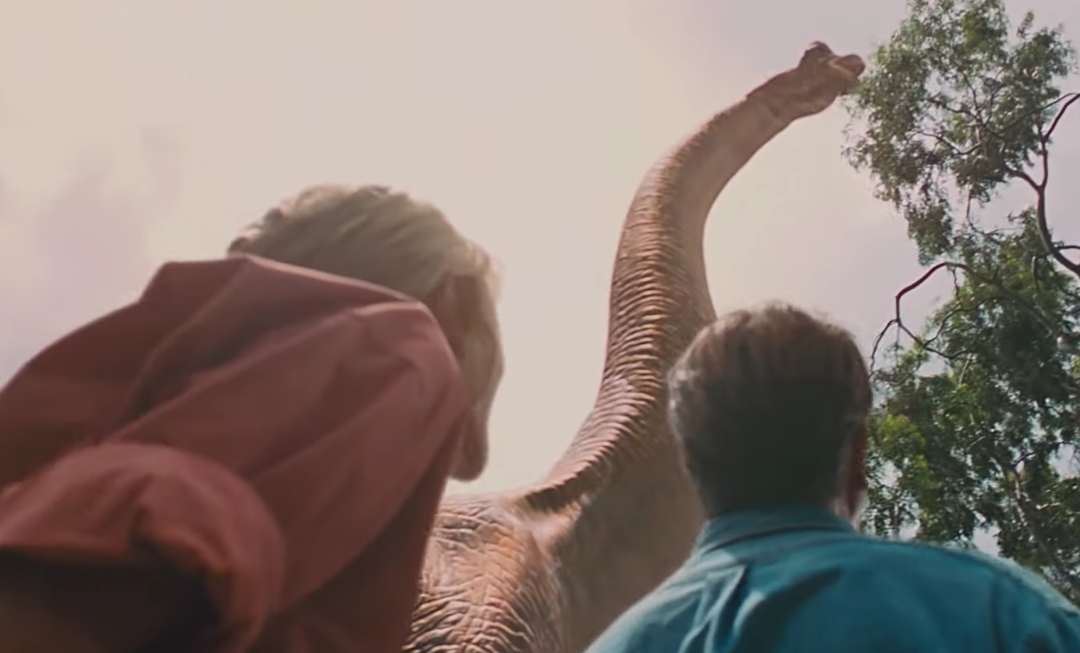
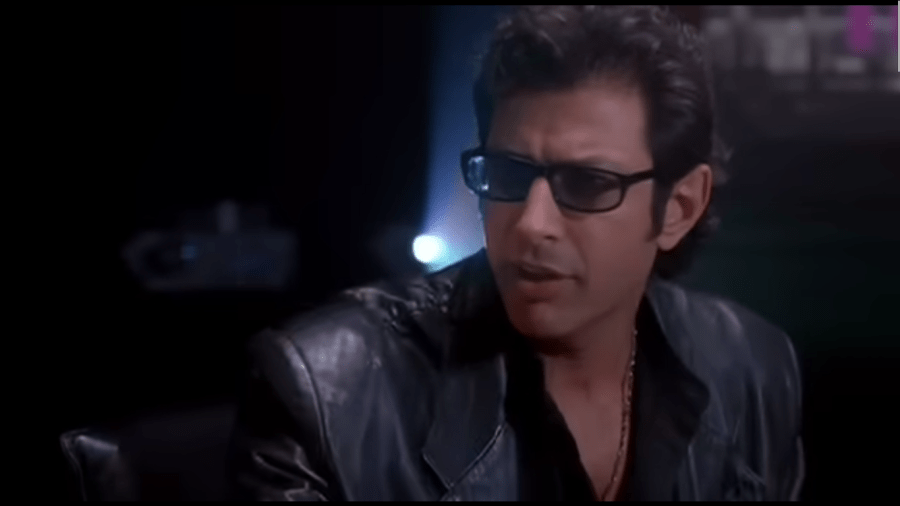


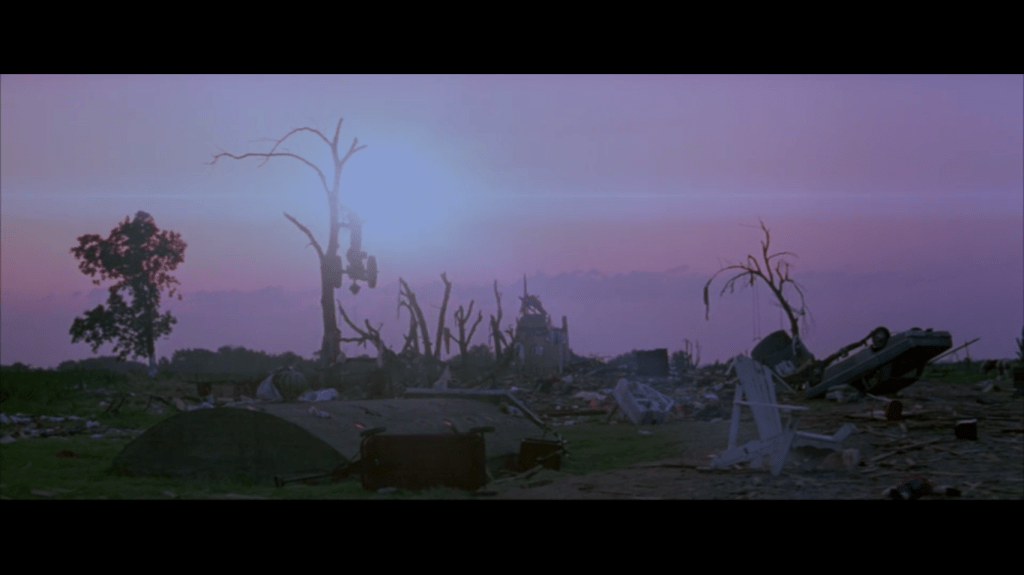

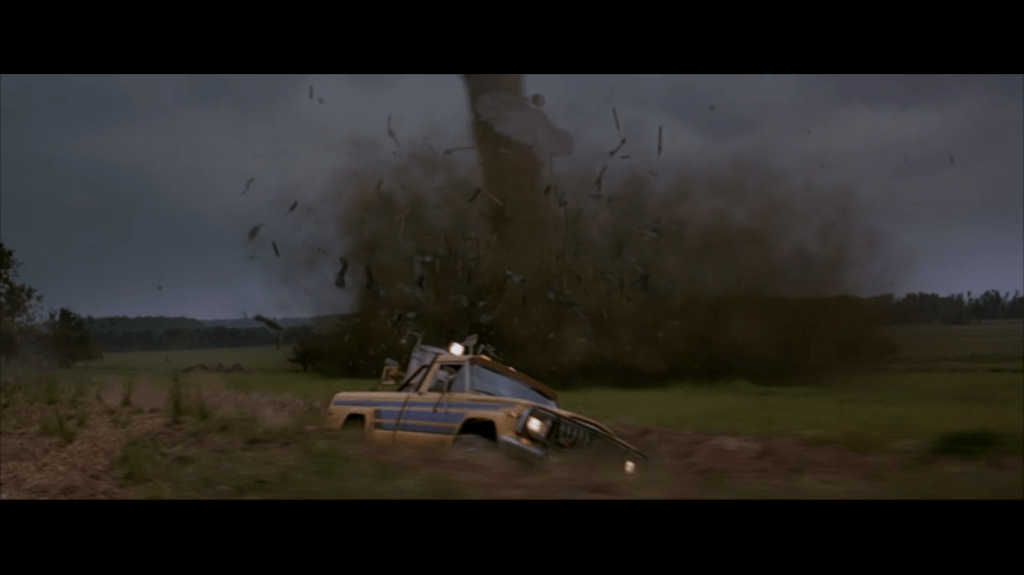


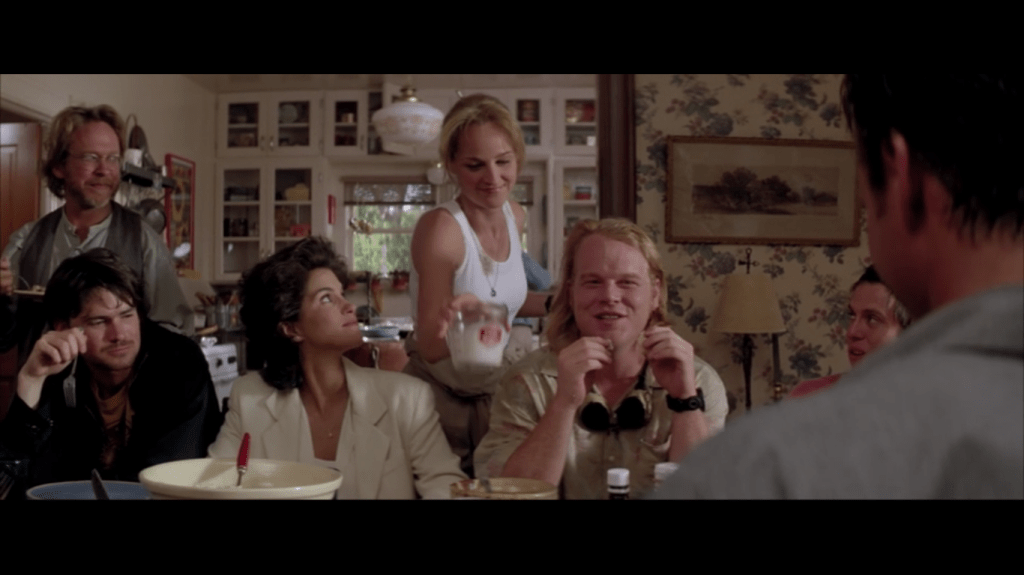









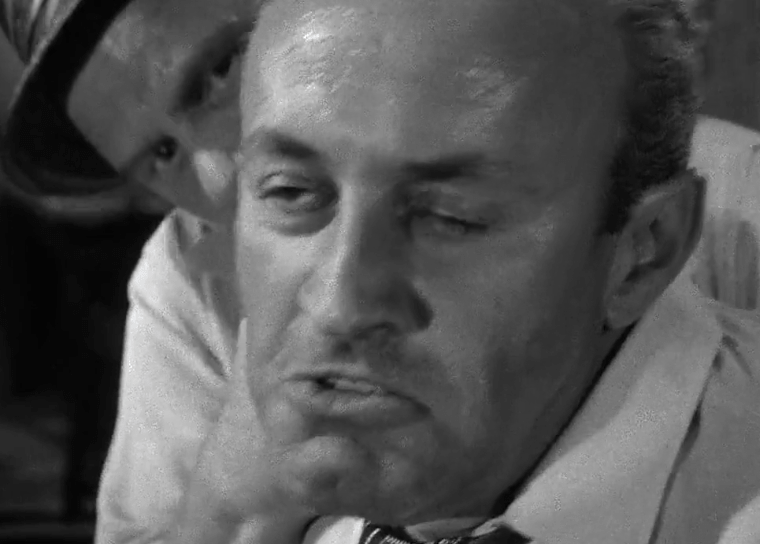






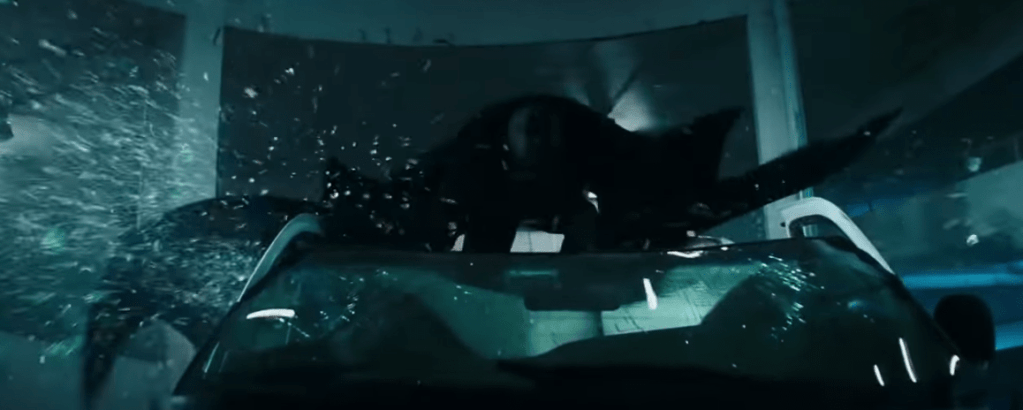
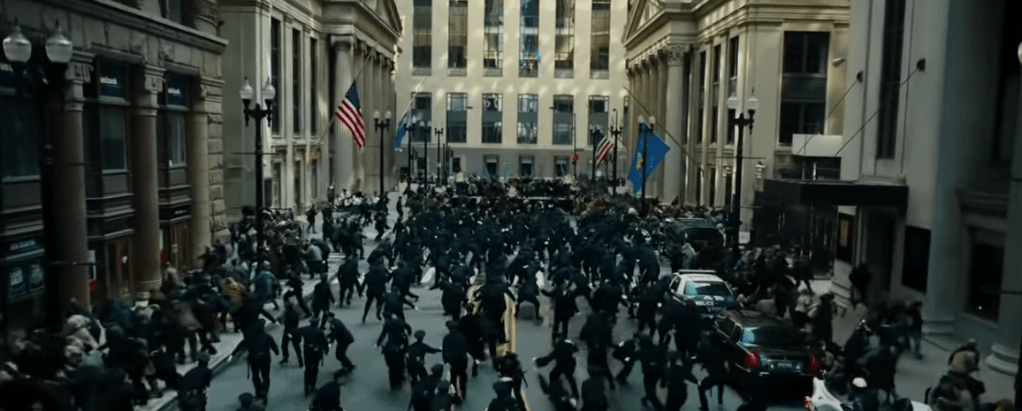
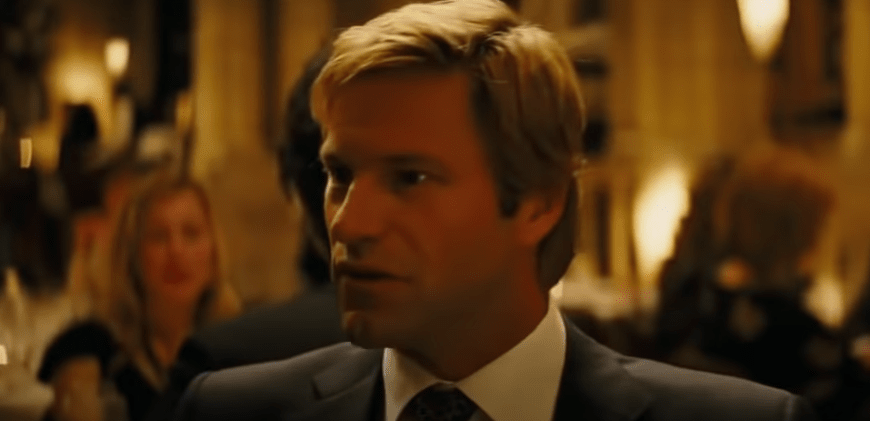









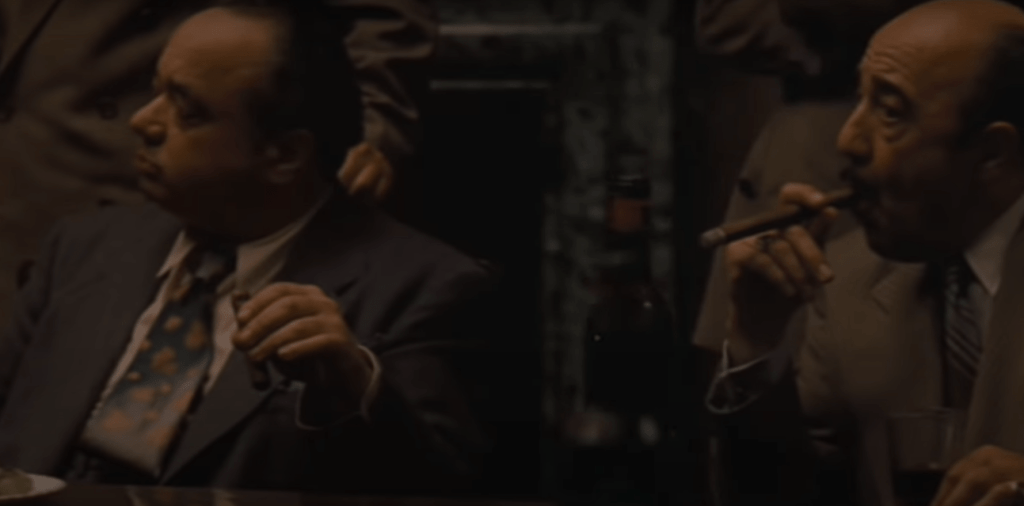

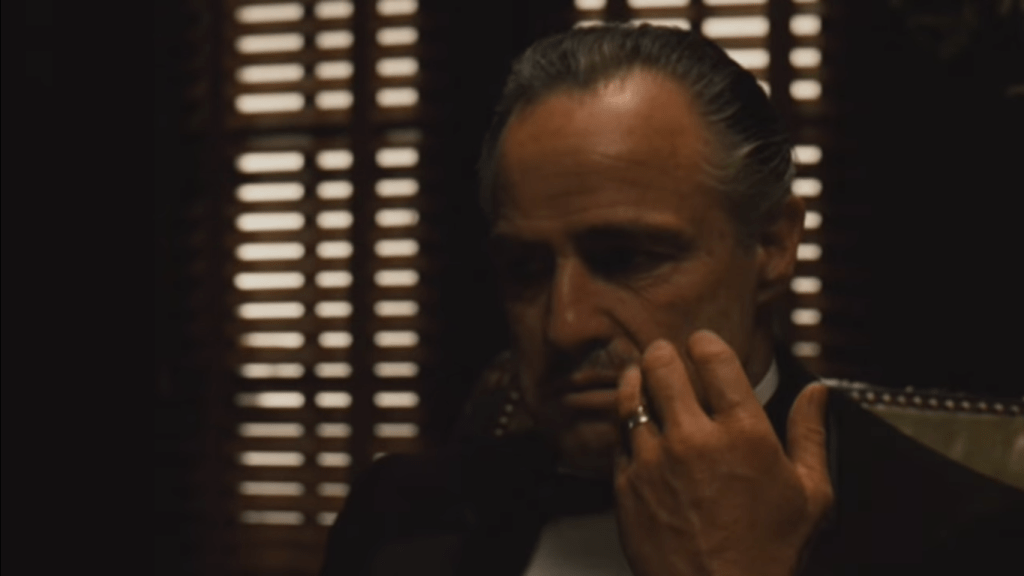



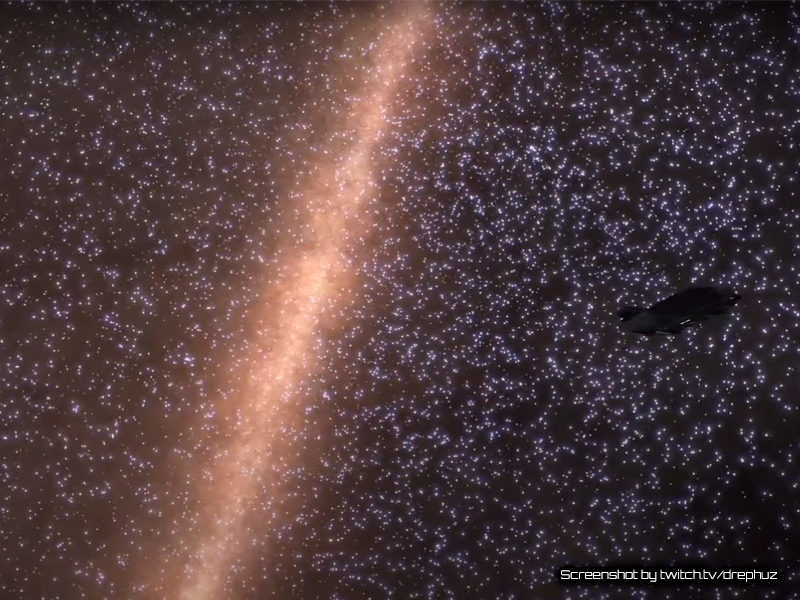


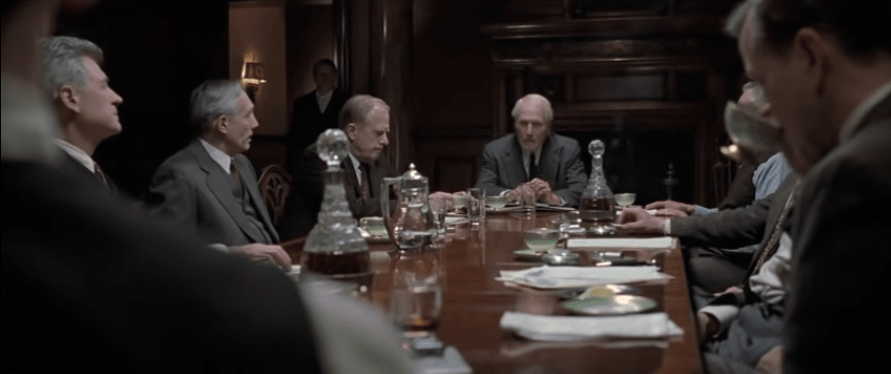

























 The Demented Ferrets